CM Yogi Backs Modi on J&K Integration, Invokes Mukherjee
Synopsis
UP Chief Minister Yogi Adityanath invoked Dr Shyama Prasad Mookerjee's 'Ek Vidhan, Ek Nishan' legacy to credit PM Modi with fulfilling the BJP's founding goal of full constitutional integration of Jammu and Kashmir, targeting both Congress and the National Conference for their historical support of the region's special status.
Key Takeaways
CM Yogi Adityanath posted on 6 July 2026 crediting PM Modi with realising Dr Shyama Prasad Mookerjee 's vision for Jammu and Kashmir .
He accused both Congress and the National Conference of seeking a separate constitution and flag for Kashmir .
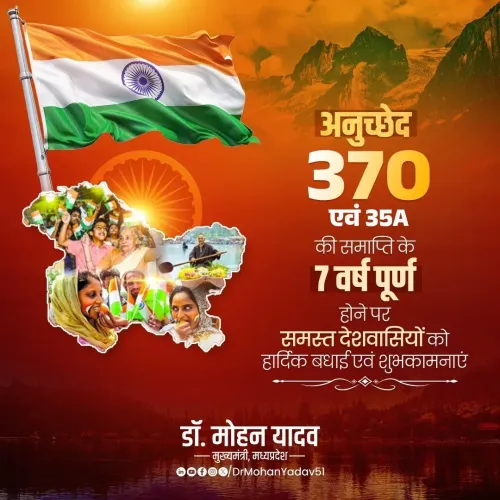
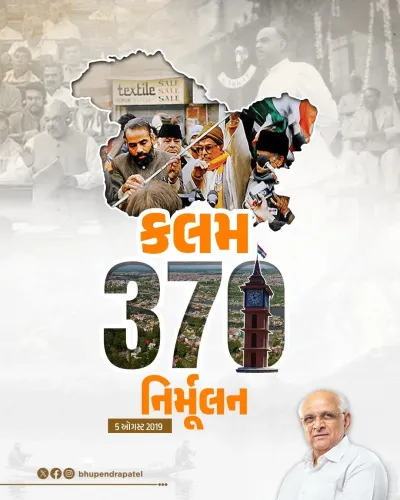
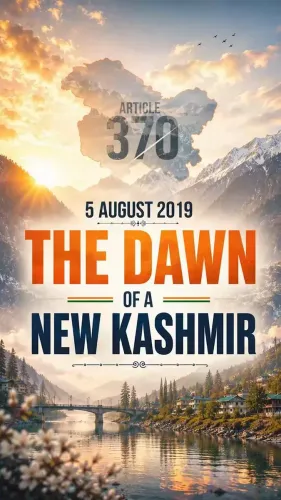
Article 370 was revoked in August 2019 , ending J&K 's special status and reorganising it into two Union Territories.
Dr Mookerjee 's 1952-53 campaign slogan 'Ek Vidhan, Ek Nishan, Ek Pradhan' is the ideological anchor for the BJP 's position on J&K integration.
The statement reinforces the BJP 's consistent framing of the 2019 decision as the fulfilment of a decades-old founding commitment.
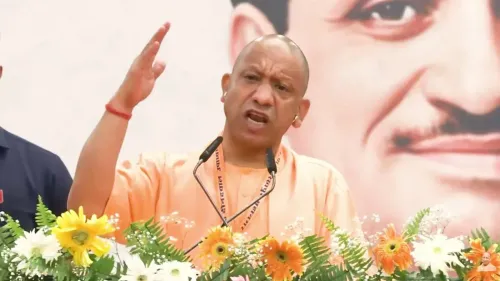
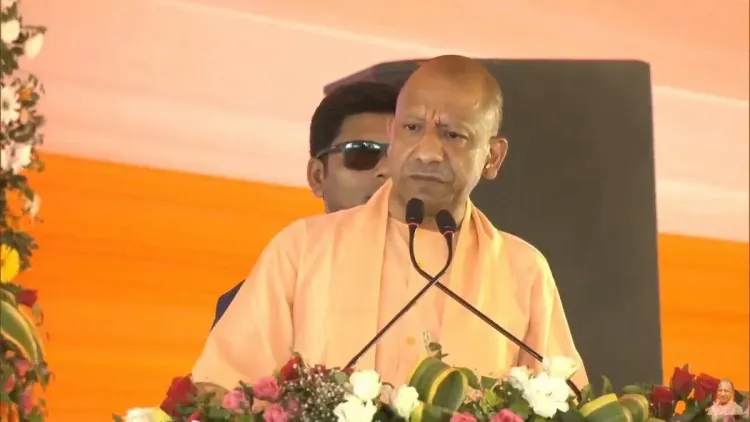
Uttar Pradesh Chief Minister Yogi Adityanath on Monday, 6 July 2026, invoked the legacy of Dr Shyama Prasad Mookerjee to defend the 2019 abrogation of Article 370, asserting that Prime Minister Narendra Modi had fulfilled a decades-old ideological vision for the full constitutional integration of Jammu and Kashmir.
Context
Posting in Hindi on X, CM Yogi wrote that both the Indian National Congress and the National Conference had sought a separate constitution (alag vidhan) and a separate flag (alag nishan) for Kashmir. He credited Prime Minister Modi with having 'demolished their dream and realised the dream of Dr Shyama Prasad Mookerjee.'
The post directly references the slogan 'Ek Vidhan, Ek Nishan, Ek Pradhan' — one constitution, one flag, one head of state — that Dr Mookerjee championed in 1952-53 in opposition to the special provisions then being extended to Jammu and Kashmir.
Policy Backdrop
In August 2019, the central government revoked Article 370 of the Constitution, stripping Jammu and Kashmir of its special status and reorganising the former state into two Union Territories: Jammu and Kashmir and Ladakh. The move ended provisions that had allowed the region its own constitution and flag.
Dr Shyama Prasad Mookerjee, founder of the Bharatiya Jana Sangh — the ideological predecessor of the BJP — had launched a sustained campaign against Article 370 in the early 1950s, arguing it created a 'state within a state.' He died in detention in Kashmir in 1953 while agitating for full integration. The BJP has consistently framed the 2019 decision as the fulfilment of that founding commitment.
The National Conference, which governs Jammu and Kashmir, had historically backed the special status provisions. The Congress supported retention of Article 370 during its periods in power and opposed the 2019 revocation in Parliament.
Stakeholders and Impact
For BJP supporters and the RSS-linked ideological ecosystem, the 2019 decision represents a generational milestone, and statements like CM Yogi's serve to reinforce that narrative ahead of any political contest in the region. For the National Conference and Congress, the framing is a direct challenge to their political positions on J&K's constitutional history.
Residents of Jammu and Kashmir have experienced significant administrative changes since 2019, including the application of central laws previously excluded under the old framework. The political debate over statehood restoration for J&K — currently a Union Territory — remains active.
What's Next
The BJP's continued invocation of the Article 370 decision signals the issue will remain central to the party's political messaging in Jammu and Kashmir. Any movement on restoring full statehood to J&K, or further extension of central legislation to the Union Territory, is likely to sharpen the contrast both sides seek to draw with the pre-2019 constitutional arrangement.
Point of View
The statement is calibrated to resonate in both national and Jammu and Kashmir-specific political arenas. The invocation of Mookerjee is not incidental — it anchors a contemporary policy decision in a lineage stretching back to the Jana Sangh's founding, lending the 2019 abrogation an air of historical inevitability rather than partisan choice. The timing and tenor suggest the BJP intends to keep the Article 370 narrative alive as a mobilising frame well beyond the immediate post-2019 period.
NationPress
5 Oct 2026
Frequently Asked Questions
What did CM Yogi Adityanath say about Article 370 and Jammu and Kashmir?
CM Yogi Adityanath said that Congress and the National Conference had wanted a separate constitution and flag for Kashmir, but PM Modi fulfilled Dr Shyama Prasad Mookerjee's vision by abrogating Article 370 and achieving full constitutional integration of Jammu and Kashmir.
Who was Dr Shyama Prasad Mookerjee and what was his role in the Kashmir issue?
Dr Shyama Prasad Mookerjee was the founder of the Bharatiya Jana Sangh, the predecessor of the BJP. In 1952-53 he led the 'Ek Vidhan, Ek Nishan, Ek Pradhan' campaign demanding that Jammu and Kashmir be fully integrated into India without a separate constitution or flag. He died in detention in Kashmir in 1953.
When was Article 370 revoked and what did it mean for Jammu and Kashmir?
Article 370 was revoked in August 2019 by the central government led by PM Narendra Modi. The move ended Jammu and Kashmir's special constitutional status, including its separate constitution and flag, and reorganised the former state into two Union Territories — Jammu and Kashmir, and Ladakh.
What is 'Ek Vidhan, Ek Nishan, Ek Pradhan'?
'Ek Vidhan, Ek Nishan, Ek Pradhan' means 'one constitution, one flag, one head of state.' It was the central slogan of Dr Shyama Prasad Mookerjee's 1952-53 agitation against Article 370, and has since become a foundational ideological reference point for the BJP on Jammu and Kashmir.
Why did Congress and the National Conference oppose Article 370 abrogation?
The Congress party had supported retention of Article 370 during its periods in power and voted against its revocation in Parliament in 2019. The National Conference, a Jammu and Kashmir regional party, had historically backed the special status provisions, including a separate state constitution and flag, as safeguards for the region's distinct identity.