CM Yogi Says Terrorism Fully Crushed in Kashmir
Synopsis
Uttar Pradesh Chief Minister Yogi Adityanath declared on 27 June 2026 that terrorism has been fully crushed in Kashmir, linking the achievement to the BJP government's post-2019 security operations and the abrogation of Article 370.
Key Takeaways
CM Yogi Adityanath stated on 27 June 2026 that terrorism has been 'completely crushed' in Kashmir .
Article 370 was abrogated in August 2019 , ending Jammu and Kashmir's special status and reorganising it into two Union Territories.
Operation All-Out , launched in 2017 , systematically targeted militant networks in the Kashmir Valley .
Official data post-2019 showed declines in terror incidents, infiltration attempts, and civilian unrest in the region.
Tourism and economic activity in Jammu and Kashmir have grown as part of the government's post-insurgency stabilisation push.
Questions around restoration of statehood and future elections in Jammu and Kashmir remain active in political discourse.
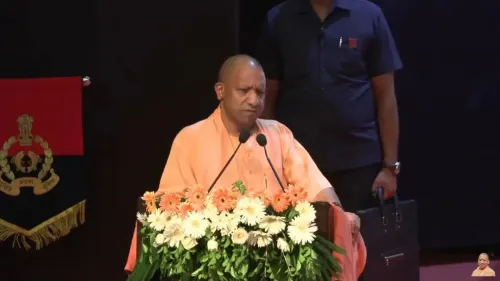
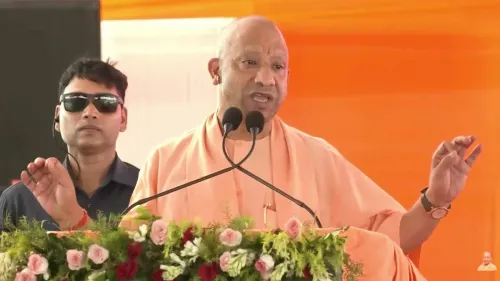
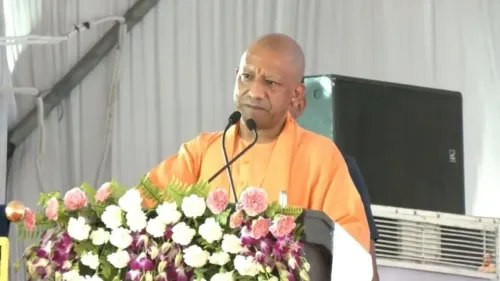
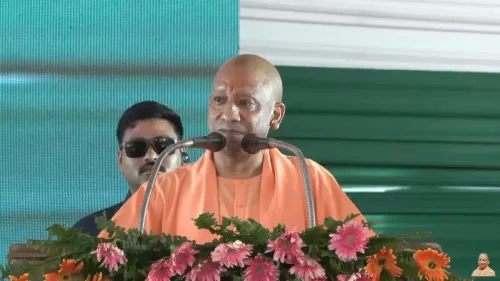
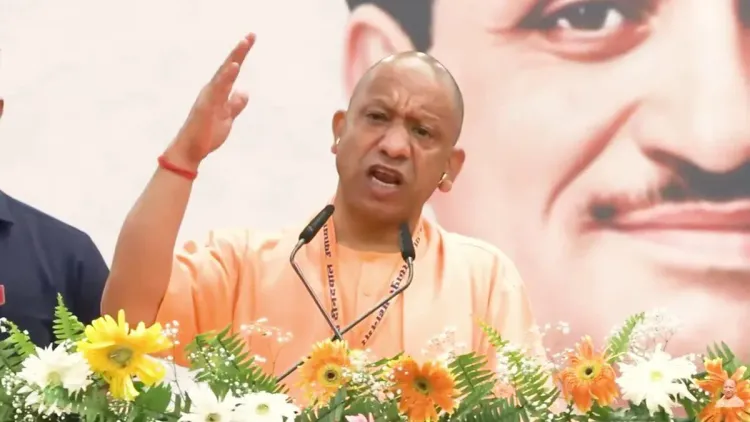
Uttar Pradesh Chief Minister Yogi Adityanath declared on Saturday, 27 June 2026 that terrorism has been completely eliminated in Kashmir, crediting sustained security operations and the political decisions of the BJP-led central government under Prime Minister Narendra Modi.
Context
In his post on X, Yogi Adityanath stated — 'कश्मीर में आतंकवाद को पूरी तरह कुचल दिया गया है' ('Terrorism in Kashmir has been completely crushed') — framing the development as a milestone in India's internal security landscape. The statement comes as Jammu and Kashmir, now a Union Territory since August 2019, continues its trajectory of post-insurgency stabilisation.
As Chief Minister of Uttar Pradesh and a senior Bharatiya Janata Party leader heading the Gorakhnath Math, Adityanath has consistently commented on national security matters alongside his state governance responsibilities.
Policy Backdrop
The assertion is rooted in the BJP government's landmark decision of August 2019, when the abrogation of Article 370 ended Jammu and Kashmir's special constitutional status and reorganised it into two Union Territories — Jammu and Kashmir and Ladakh. The move was accompanied by a significant ramp-up in counter-insurgency operations, building on Operation All-Out launched in 2017, which systematically targeted militant networks across the Kashmir Valley.
Official data released in the years following the abrogation pointed to measurable declines in terror incidents, infiltration attempts, and civilian unrest. The government has also pushed a parallel agenda of development and tourism promotion in the region to consolidate peace gains.
Stakeholders and Impact
Residents of Jammu and Kashmir and the Indian security forces deployed in the region are the most direct stakeholders in any shift in the militancy situation. For ordinary Kashmiris, reduced violence has translated into greater economic activity, improved mobility, and a resurgence of tourism — sectors that had suffered decades of disruption.
Security personnel, including the Indian Army, Central Reserve Police Force, and the Jammu and Kashmir Police, have borne the operational burden of counter-insurgency campaigns over many years. Statements of this nature from senior political leaders are often read as an acknowledgment of their sustained efforts on the ground.
What's Next
Political observers will watch for official security reviews or data releases that either substantiate or contextualise Yogi Adityanath's claim. With Jammu and Kashmir still governed as a Union Territory and questions around statehood restoration remaining active in public discourse, the security narrative will continue to intersect with political developments. Any future elections in the Union Territory are likely to place the question of peace and normalcy at the centre of the campaign.
Point of View
Linking counter-terrorism success to structural policy decisions strengthens the case that constitutional integration, not dialogue or autonomy, was the correct approach. The timing and tone suggest the party is keen to cement this narrative ahead of any future political contest in the Union Territory.
NationPress
26 Sept 2026
Frequently Asked Questions
What did CM Yogi Adityanath say about Kashmir terrorism?
CM Yogi Adityanath declared on 27 June 2026 that terrorism in Kashmir has been completely crushed, crediting the BJP government's security operations and the abrogation of Article 370 in 2019.
What is Article 370 and why was it abrogated?
Article 370 gave Jammu and Kashmir special constitutional status with its own laws and limited central jurisdiction. The BJP-led central government abrogated it in August 2019 to enable stronger integration with India and intensify counter-terrorism measures.
What is Operation All-Out in Kashmir?
Operation All-Out was a counter-insurgency campaign launched in 2017 by Indian security forces targeting militant commanders and networks across the Kashmir Valley, credited with significantly reducing the number of active militants.
Has terrorism actually decreased in Jammu and Kashmir after 2019?
Official government data released after 2019 showed measurable declines in terror incidents, infiltration attempts, and civilian unrest, though ground conditions continue to be monitored by security agencies.
Is Jammu and Kashmir a state or Union Territory?
Since August 2019, Jammu and Kashmir has been a Union Territory with a legislature, while Ladakh was carved out as a separate Union Territory without a legislature. Questions about restoring statehood remain active in political discussions.