CM Yogi Contrasts India's Security Record Before and After 2014
Synopsis
Uttar Pradesh CM Yogi Adityanath posted that India before 2014 was gripped by mistrust, anarchy, Naxalism, terrorism, and corruption, while the India after 2014 is safe and free from both. The claim reinforces a core BJP political narrative on internal security.
Key Takeaways
CM Yogi Adityanath posted on November 5, 2026 contrasting India's security environment before and after 2014 .
He described pre-2014 India as marked by 'mistrust, anarchy, Naxalism, terrorism, and corruption' so severe that citizens did not feel safe.
He declared post-2014 India 'safe' and 'free from terrorism and Naxalism' — a political assertion, not a certified independent assessment.
The claim mirrors a long-standing BJP political messaging framework that uses 2014 as a baseline for governance improvements.
Central governments after 2014 have reported declining Naxal-incident counts, but security analysts note residual left-wing extremist activity continues in affected districts.
The Ministry of Home Affairs annual left-wing extremism data remains the key metric to watch against such claims.
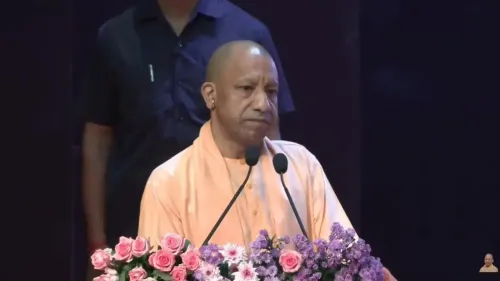
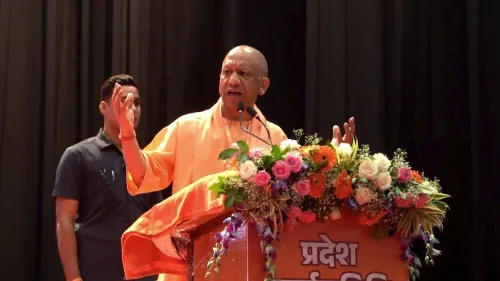
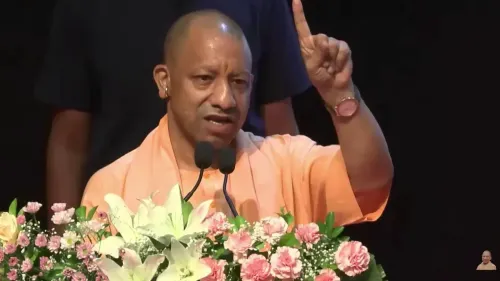
A decade of transformation in one stark sentence: Uttar Pradesh Chief Minister Yogi Adityanath on Thursday, November 5, 2026, declared that the India of 2014 onwards is safer, freer from terrorism and Naxalism — a direct repudiation of the security landscape he says defined the decade before Prime Minister Narendra Modi came to power.
Posting on X, CM Yogi wrote in Hindi: 'वर्ष 2014 के पहले अविश्वास, अराजकता, नक्सलवाद, आतंकवाद, भ्रष्टाचार इस कदर था कि कोई व्यक्ति अपने आप को सुरक्षित नहीं मानता था।' — 'Before 2014, there was so much mistrust, anarchy, Naxalism, terrorism, and corruption that no person considered themselves safe. The India after 2014 is safe. It is free from terrorism and Naxalism.'
The Security Argument BJP Has Built Since 2014
The claim is not new, but it is deliberate. The BJP's 2014 election campaign was built in part on cataloguing the internal security failures of the preceding decade — a period that included the devastating 26/11 Mumbai attacks and sustained Naxal violence across central India's so-called 'Red Corridor'. The party has since woven the contrast — disorder before, order after — into a core strand of its political identity, and state-level leaders like CM Yogi have become key amplifiers of that national narrative.
Yogi Adityanath occupies a specific credibility niche within this messaging. As a sitting Chief Minister who has repeatedly staked his governance credentials on law and order in Uttar Pradesh — itself once synonymous with organised crime and communal violence — his voice on internal security carries institutional weight beyond party rhetoric.
The Naxalism Data Point and What Remains Contested
Central governments since 2014 have pursued successive coordinated operations against left-wing extremism, gradually shrinking the number of districts classified as Naxal-affected. The Ministry of Home Affairs has periodically reported declining incident counts and fatalities in these zones — a data trail that BJP leaders routinely cite. How complete that suppression is, and whether it constitutes 'freedom' from Naxalism, is a live policy debate: security analysts and affected-district administrators continue to track residual activity.
On terrorism, the government's posture has shifted visibly — from reactive crisis management to what officials describe as a proactive, zero-tolerance doctrine. But the claim of a terrorism-free India is a political statement, not a certified assessment by any independent security body.
Why State Leaders Carry the Message
When a Chief Minister — not a party spokesperson, not a Union minister — makes the security argument, it lands differently. CM Yogi's post is part of a recognisable pattern: state BJP leaders reinforcing the Centre's national-security narrative, lending it a grassroots, ground-level authority. Watch for the Ministry of Home Affairs' next annual report on left-wing extremism, which will either supply the data to back claims like this — or complicate them.
The message from Lucknow is clear and pointed: eleven years on, 2014 remains BJP's sharpest political baseline — the year from which everything, including safety itself, is measured.
Point of View
Emotionally legible dividing line. By deploying it from a state platform rather than the Centre, the party signals that the narrative has grassroots ownership, not just top-down direction. The unverified nature of a 'terrorism and Naxalism-free' declaration, however, leaves the claim exposed to scrutiny whenever the next significant incident occurs. The post's timing, with no immediate external trigger visible, suggests it may be part of a broader BJP communication campaign building toward a coming electoral or political moment.
NationPress
5 Nov 2026
Frequently Asked Questions
What did CM Yogi Adityanath say about India's security in his November 2026 post?
He said that before 2014 India was gripped by mistrust, anarchy, Naxalism, terrorism, and corruption so severe that no person felt safe, and that the India after 2014 is safe and free from terrorism and Naxalism.
Is India actually free from Naxalism and terrorism after 2014?
Central governments have reported a significant decline in left-wing extremism incidents since 2014, but security analysts note that residual Naxal activity continues in some districts. The claim of being fully 'free' is a political assertion rather than a certified finding by any independent security body.
What was the security situation in India before 2014 that Yogi is referring to?
The period from 2004 to 2014 saw multiple major terror incidents including the 26/11 Mumbai attacks, as well as sustained Naxal violence across central India's Red Corridor, which the BJP highlighted in its 2014 election campaign.
Why does Yogi Adityanath frequently speak on national security issues?
As Chief Minister of Uttar Pradesh since 2017, Yogi Adityanath has built his governance identity significantly around law, order, and internal security, giving him a platform to reinforce the BJP's national-security narrative with state-level authority.
What data tracks the government's progress on Naxalism in India?
The Ministry of Home Affairs publishes annual reports on left-wing extremism, including incident counts, fatalities, and the number of Naxal-affected districts — the primary official metric against which such claims are measured.