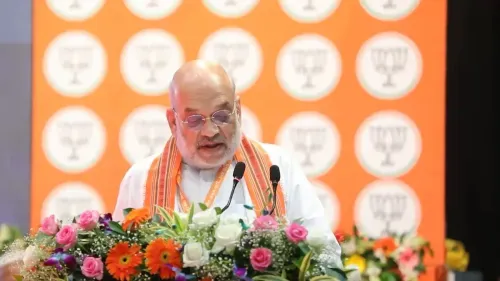
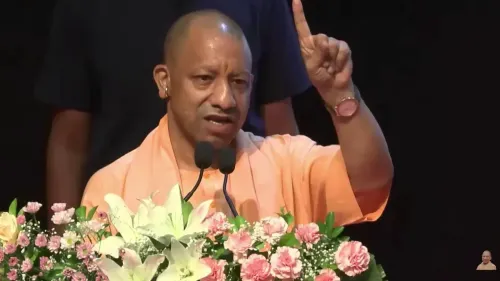
CM Yogi Declares India United, Secure, Free from Terror and Naxalism
Synopsis
UP CM Yogi Adityanath posted on October 31, 2026 — National Unity Day — declaring India united and secure, free from terrorism, separatism, extremism, and Naxalism, reinforcing the BJP government's decade-long internal security narrative.
Key Takeaways
Yogi Adityanath posted on October 31, 2026 — National Unity Day — asserting India is united, great, and secure.
The post names four specific threats: terrorism, separatism, extremism, and Naxalism — the core vocabulary of BJP's internal security doctrine since 2014 .
The abrogation of Article 370 in 2019 and the 2015 National Policy against Left Wing Extremism are the two landmark policy moves underpinning this narrative.
State-level BJP leaders routinely amplify central government security messaging, lending regional reach to a national political argument.
The claim of being 'free' from these threats is political framing; residual Naxal and terror incidents, while reduced, have not been entirely eliminated according to security analysts.
The October 31 date aligns with Sardar Patel's birth anniversary, adding deliberate symbolic weight to the unity-and-security message.
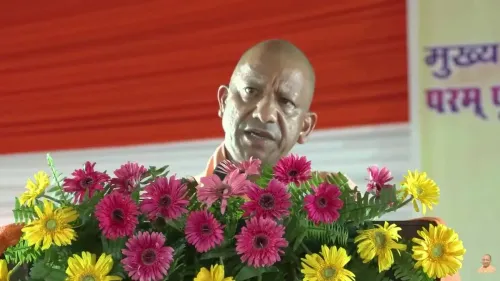
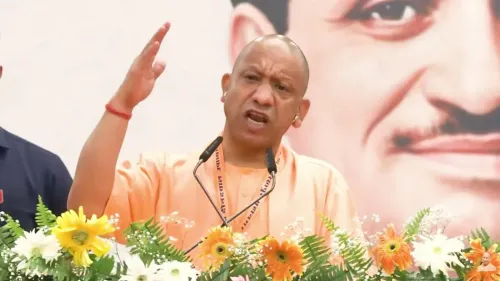
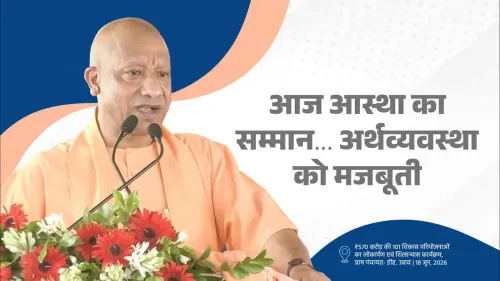
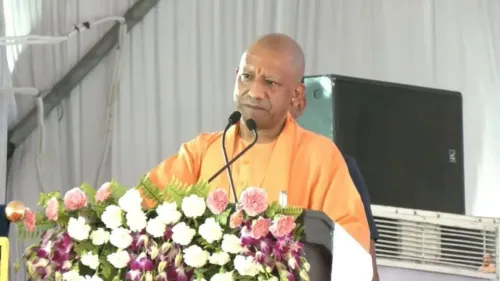
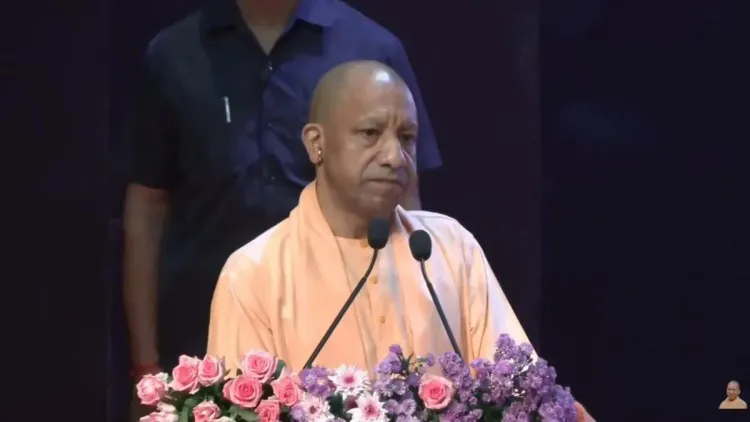
One India, one resolve — and a pointed declaration that the threats once eating away at the republic's edges have been pushed back. On Saturday, October 31, 2026, Uttar Pradesh Chief Minister Yogi Adityanath took to X to assert that India today stands united, superior, and secure — free, in his words, from terrorism, separatism, extremism, and Naxalism.
The post, in Hindi, reads: 'Bharat aaj ek bhi hai, shreshtha bhi hai aur surakshit bhi hai' — 'India today is united, is great, and is safe' — before listing the four internal security threats the ruling dispensation frames as the defining challenges of the post-2014 era. The closing line lands with deliberate weight: 'That is why India is secure.'
The Four Threats BJP Has Built Its Security Narrative Around
Terrorism, separatism, extremism, Naxalism — these are not random words. They form the precise vocabulary of the BJP government's internal security doctrine since Prime Minister Narendra Modi took office in 2014. Each represents a distinct theatre of conflict: cross-border-linked terror networks, the secessionist challenge once most acute in Jammu and Kashmir, insurgencies in the Northeast, and Left Wing Extremism across the so-called 'Red Corridor' of central India.
The abrogation of Article 370 in August 2019 was the central government's most dramatic legislative move against separatism, formally integrating Jammu and Kashmir as a Union Territory and stripping it of its special constitutional status. The National Policy and Action Plan against Left Wing Extremism, launched in 2015, set the framework for the multi-agency push against Naxal groups — combining security operations with development outreach in affected districts.
A State Leader Amplifying a Central Government Storyline
CM Yogi's post is a textbook instance of how BJP's state leadership reinforces the central government's security messaging. As head of Uttar Pradesh — India's most populous state and one with its own history of communal tension and organised crime — Yogi has consistently positioned his administration as a law-and-order success story, with the state frequently citing declining crime indices and anti-terror operations under the Uttar Pradesh Special Task Force.
The broader pattern is clear: when the Centre notches a security milestone or wants to consolidate a narrative of national resilience, state chief ministers echo the message across their platforms, amplifying reach and lending regional credibility to what is fundamentally a national political argument.
What the Claim Carries — and What It Leaves Open
The assertion of being 'free' from these threats is aspirational framing rather than a certified operational status. Incidents linked to Left Wing Extremism, while significantly reduced in frequency and geographic spread compared to peak years, have not ceased entirely. Parliamentary committees and security analysts continue to monitor residual Naxal activity in parts of Chhattisgarh and Jharkhand, and counter-terror operations remain ongoing. The post makes a political argument — one the BJP has made consistently — not a security briefing.
Still, the directional data on insurgency and extremism incidents over the past decade does show measurable decline across most theatres, giving the narrative a factual foundation even if the absolute claim of 'freedom' from these threats is contested terrain.
October 31 carries its own resonance — it marks National Unity Day, the birth anniversary of Sardar Vallabhbhai Patel, the architect of India's post-independence territorial integration. Posting a message of national unity and security on this date is not accidental. The symbolism does the heavy lifting.
The question the next parliamentary session will have to answer: does the security architecture hold — and does the political narrative match the ground reality in the districts that have lived these conflicts longest?
Point of View
Separatism, extremism, and Naxalism in one breath, CM Yogi collapses four distinct security theatres into a single victory narrative, a rhetorical move that serves the party's 2024-and-beyond electoral positioning. The claim of complete freedom from these threats is stronger than the operational record strictly supports, but the directional argument — that incidents have declined sharply — has measurable backing, giving the BJP a defensible factual core inside an ambitious political frame. Watch whether this messaging intensifies ahead of any state assembly elections or parliamentary security debates, where the gap between narrative and ground reality becomes a live political battleground.
NationPress
31 Oct 2026
Frequently Asked Questions
What did Yogi Adityanath post on October 31, 2026?
Yogi Adityanath posted on X declaring that India is today united, great, and secure — free from terrorism, separatism, extremism, and Naxalism. The post was made on National Unity Day, the birth anniversary of Sardar Vallabhbhai Patel.
What is National Unity Day and why is it significant?
National Unity Day is observed on October 31 every year to mark the birth anniversary of Sardar Vallabhbhai Patel, who led the integration of over 500 princely states into the Indian Union after independence. The BJP government institutionalised the observance in 2014.
What did the BJP government do to address separatism in Jammu and Kashmir?
The central government abrogated Article 370 in August 2019, revoking Jammu and Kashmir's special constitutional status and reorganising it into two Union Territories. The move was framed as a step toward full national integration and reducing separatist sentiment.
What is India's policy against Naxalism?
The National Policy and Action Plan against Left Wing Extremism, launched in 2015, coordinates security operations with development initiatives across Naxal-affected districts. It involves multiple central ministries and state governments working together to reduce the influence of Maoist groups.
Is India fully free from Naxalism and terrorism as claimed?
While incidents of Left Wing Extremism and terrorism have declined significantly compared to peak years, security analysts note that residual activity continues in parts of Chhattisgarh, Jharkhand, and other regions. The claim of being fully 'free' from these threats is political framing rather than a certified operational assessment.