Shekhawat shares Modi quote on Mookerjee's Art. 370 vision
Synopsis
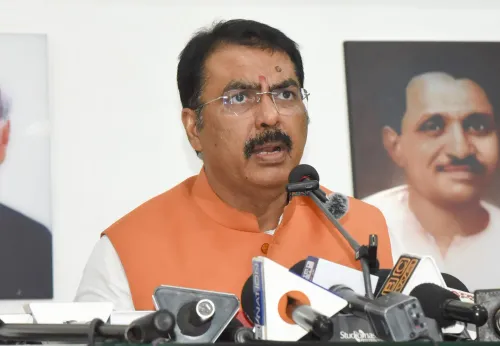
Union Culture Minister Gajendra Singh Shekhawat shared a PM Modi statement honouring Dr. Shyama Prasad Mookerjee on 6 July 2026, presenting the 2019 revocation of Article 370 as the realisation of the Jana Sangh founder's vision of one constitution for all of India.
Key Takeaways
Union Culture Minister Gajendra Singh Shekhawat shared a PM Modi tribute to Dr.
Shyama Prasad Mookerjee on 6 July 2026 .
Mookerjee , founder of the Bharatiya Jana Sangh , died in detention in Kashmir in 1953 while protesting the permit system for entering the region.
His slogan — 'Ek desh mein 2 vidhan, 2 pradhan aur 2 nishan nahin chalenge' — opposed the special constitutional status of Jammu and Kashmir .
The Modi government revoked Article 370 on 5 August 2019 , reorganising J&K into two union territories.
The BJP frames the abrogation as the direct fulfilment of Mookerjee's decades-old national-integration mission.
Assembly elections in Jammu and Kashmir and further legislative integration of the union territories remain key issues to watch.
Union Culture and Tourism Minister Gajendra Singh Shekhawat on Monday, 6 July 2026, shared a statement attributed to Prime Minister Narendra Modi honouring Dr. Shyama Prasad Mookerjee, framing the 2019 revocation of Article 370 as the fulfilment of Mookerjee's lifelong campaign for equal constitutional status across India.
Context
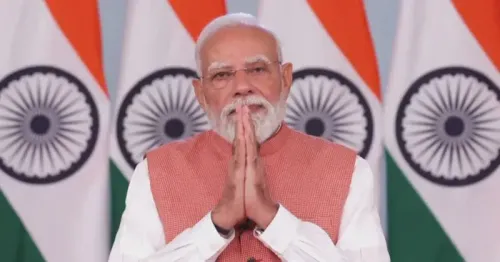
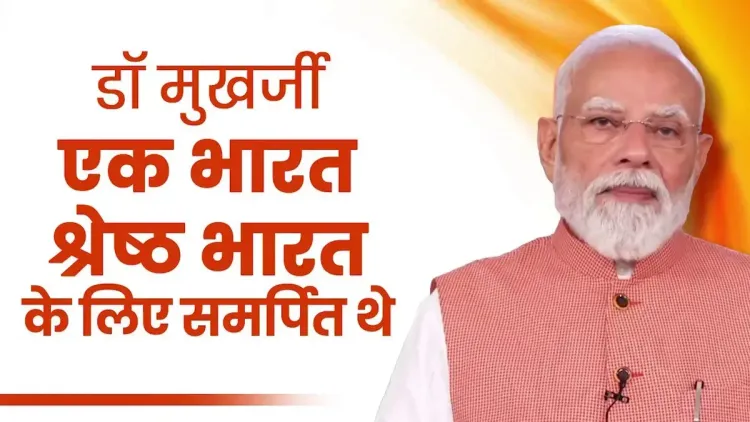
The post quotes PM Modi as saying: 'Ek desh mein 2 vidhan, 2 pradhan aur 2 nishan nahin chalenge' ('In one nation, two constitutions, two heads of state, and two emblems cannot coexist') — a slogan associated with Dr. Mookerjee's agitation against the special terms governing Jammu and Kashmir's accession in the early 1950s. The quoted statement describes Mookerjee as 'completely dedicated to Ek Bharat, Shreshtha Bharat' (One India, Great India) and notes that he 'struggled for his principles, went to jail, and ultimately gave his supreme sacrifice for Kashmir.'
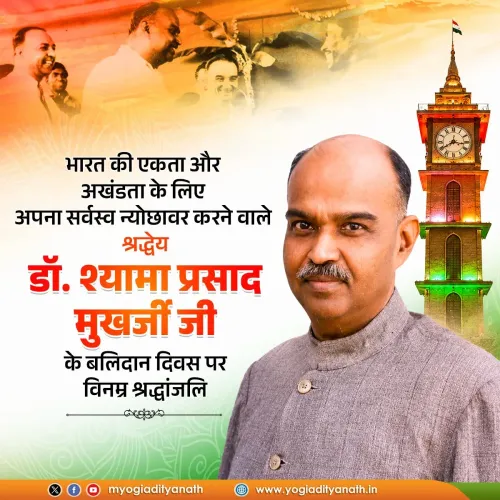
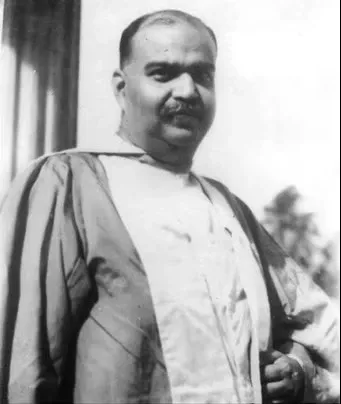
Dr. Shyama Prasad Mookerjee, founder of the Bharatiya Jana Sangh — the ideological predecessor of the Bharatiya Janata Party — died in detention in Kashmir in 1953 while protesting the requirement that citizens from other Indian states carry permits to enter the region. His death transformed him into a foundational martyr figure in BJP political memory.
Policy Backdrop
On 5 August 2019, the Modi government revoked Article 370 of the Constitution through a presidential order backed by a parliamentary resolution, stripping Jammu and Kashmir of its special autonomous status and reorganising it into two union territories: Jammu and Kashmir and Ladakh. The move was the most consequential constitutional change to the region since its accession in 1947.
The BJP has consistently presented the abrogation as the direct completion of Mookerjee's unfinished mission. Successive party manifestos since 2014 had listed removal of Article 370 as a core electoral commitment, and the 'Ek Bharat, Shreshtha Bharat' framework has been institutionalised as a government programme promoting cultural and administrative integration across states and union territories.
Stakeholders and Impact
For BJP supporters and national-integration advocates, the post reinforces the ideological continuity between the Jana Sangh era and the current government's governance record. Mookerjee's anniversary and related commemorations are significant moments in the party's annual political calendar.
Residents of Jammu and Kashmir remain the most directly affected stakeholders: the revocation of Article 370 altered property rights, domicile rules, and the legislative framework applicable to the region. Civil society groups and political parties in the valley have held contrasting views on the constitutional change, with some welcoming economic integration and others contesting the process through the courts.
What's Next
Assembly elections in Jammu and Kashmir and potential further central legislation extending uniform laws to the union territories remain key developments to watch. The BJP's continued invocation of Dr. Mookerjee's legacy signals that national integration and the constitutional status of J&K will remain prominent themes heading into electoral cycles. Minister Shekhawat's amplification of the PM's tribute underscores the cultural and ideological framing the party intends to sustain around this policy milestone.
Point of View
Lending the 2019 Article 370 revocation a moral legitimacy that transcends electoral politics. By quoting PM Modi invoking Mookerjee's 'two constitutions' slogan, the party frames a controversial constitutional act as the inevitable conclusion of a 70-year-old promise. The timing — likely near a Mookerjee anniversary commemoration — reflects the BJP's disciplined use of the political calendar to reinforce core-voter identity. This pattern of connecting pre-independence nationalist figures to present governance is central to the party's broader cultural-nationalist communication arc.
NationPress
5 Oct 2026
Frequently Asked Questions
Who was Dr. Shyama Prasad Mookerjee and why is he important to BJP?
Dr. Shyama Prasad Mookerjee was the founder of the Bharatiya Jana Sangh, the ideological predecessor of the BJP. He is revered in BJP circles for his campaign against Article 370 and the special status of Jammu and Kashmir; he died in detention in Kashmir in 1953, making him a foundational martyr figure for the party.
What does '2 vidhan, 2 pradhan, 2 nishan' mean?
'Ek desh mein 2 vidhan, 2 pradhan aur 2 nishan nahin chalenge' translates to 'In one nation, two constitutions, two heads of state, and two emblems cannot coexist.' It was the central slogan of Dr. Mookerjee's agitation against the special constitutional terms that governed Jammu and Kashmir's relationship with India.
When was Article 370 revoked and what did it do?
Article 370 was revoked on 5 August 2019 through a presidential order and parliamentary resolution by the Modi government. The provision had granted Jammu and Kashmir special autonomous status; its removal reorganised the region into two union territories — Jammu and Kashmir, and Ladakh.
Why did Gajendra Singh Shekhawat share this post?
As Union Culture and Tourism Minister and a senior BJP leader, Shekhawat shared PM Modi's tribute to Dr. Mookerjee to mark the ideological significance of the Article 370 abrogation and reinforce the BJP's narrative linking its governance to Mookerjee's national-integration vision.
What is Ek Bharat Shreshtha Bharat?
'Ek Bharat, Shreshtha Bharat' (One India, Great India) is both a BJP ideological slogan and a government programme launched to promote cultural, linguistic, and administrative integration among India's states and union territories.