Giriraj Singh marks 5 Aug as India's constitutional turning point
Synopsis
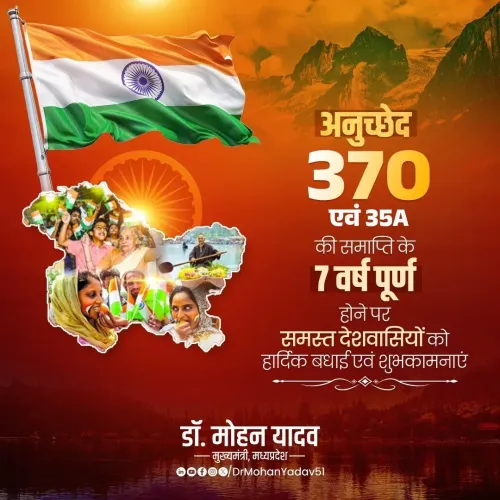
Union Textiles Minister Giriraj Singh marked the sixth anniversary of the abrogation of Articles 370 and 35A on 5 August 2019, crediting PM Narendra Modi's leadership for realising the vision of one nation, one Constitution, one flag, and one identity for India.
Key Takeaways
5 August 2019 : Both Houses of Parliament passed the resolution abrogating Articles 370 and 35A , with Presidential assent the same day.
Jammu and Kashmir was reorganised into two Union Territories — J&K and Ladakh — simultaneously with the abrogation.
Union Textiles Minister Giriraj Singh described the date as 'a decisive moment in India's history' and credited PM Narendra Modi 's leadership.
The post is part of an annual BJP pattern of commemorating 5 August under the #EkBharatShreshthaBharat banner.
The Supreme Court upheld the abrogation's constitutional validity in December 2023 , directing statehood restoration at the earliest.
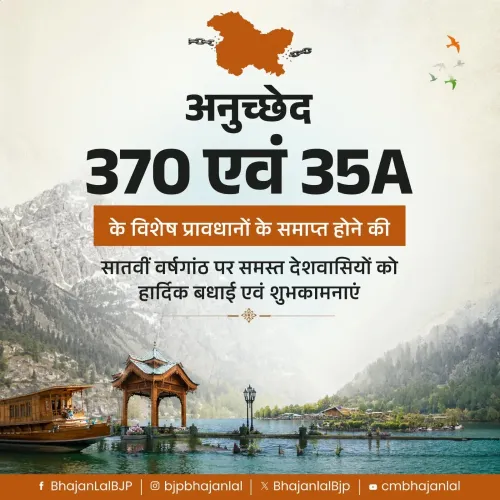
Seven years ago, a single parliamentary session rewrote the constitutional map of India. On 5 August 2019, Union Textiles Minister Giriraj Singh recalled on X (formerly Twitter), the abrogation of Articles 370 and 35A transformed the nation's relationship with Jammu and Kashmir — and with its own founding promise of one law for all.
Posting in Hindi, Singh described the date as 'bharat ke itihas ka ek nirnayak kshan' — 'a decisive moment in India's history'. He credited Prime Minister Narendra Modi's leadership for turning the vision of 'ek desh, ek samvidhan, ek nishan, ek pehchaan' — one nation, one Constitution, one flag, one identity — into constitutional reality. The post carried the hashtag #EkBharatShreshthaBharat, the government's national-integration programme.
What Parliament did on that August morning
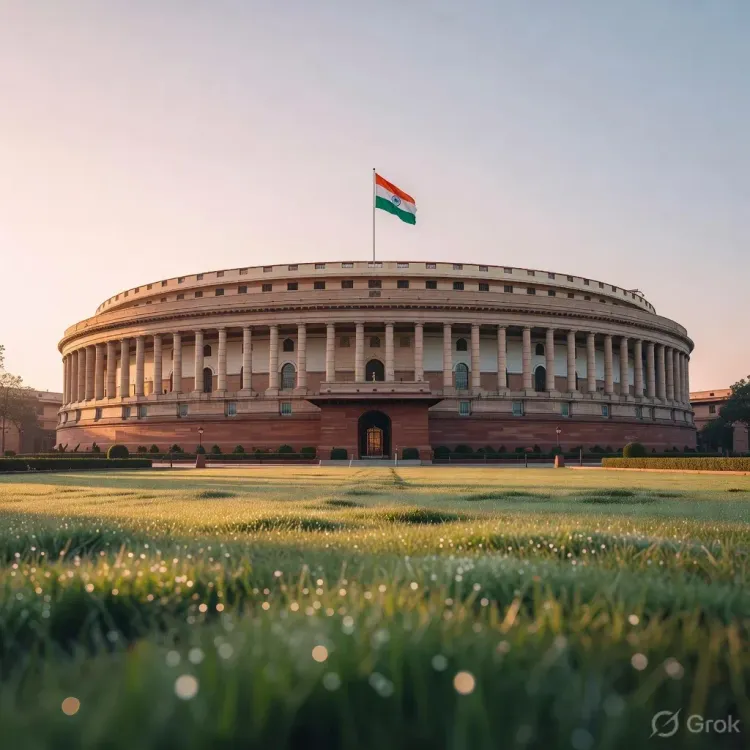
The move was swift and sweeping. Both Houses of Parliament passed the resolution on 5 August 2019, and Presidential assent followed the same day — ending the special status that had governed Jammu and Kashmir since 1949. Simultaneously, the state was reorganised into two Union Territories: Jammu and Kashmir, and Ladakh. The constitutional change meant that central laws — on property rights, residency, and more — would now apply uniformly, a shift its architects framed as correcting a decades-long anomaly.BJP's annual August ritual — and what it signals
Singh's post is part of a well-established pattern. Every 5 August, senior BJP leaders mark the anniversary with messaging that frames the 2019 decision as a civilisational correction rather than a political act. The Ek Bharat Shreshtha Bharat programme — originally launched to deepen cultural bonds between states — has been consistently woven into this anniversary rhetoric, linking administrative integration with the broader idea of national unity. For the BJP, the date has become as symbolically loaded as a Republic Day. The Supreme Court of India upheld the constitutional validity of the abrogation in December 2023, directing that statehood be restored to Jammu and Kashmir at the earliest. That restoration, and the pace of central scheme rollouts in the two Union Territories, remain the live policy questions flowing from that August morning in 2019. Seven years on, the date still detonates debate — but Singh's post makes clear which side of history his party intends to claim it.Point of View
The BJP faces a nuanced moment: celebrating the decision while managing the unfinished business of J&K's political future. Singh's framing — unity and constitutional equality — sidesteps that tension entirely, which is itself a political choice.
NationPress
20 Sept 2026
Frequently Asked Questions
What happened on 5 August 2019 in India?
On 5 August 2019 , India's Parliament abrogated Articles 370 and 35A , ending Jammu and Kashmir's special constitutional status. The state was simultaneously reorganised into two Union Territories — Jammu and Kashmir, and Ladakh — with Presidential assent granted the same day.
What is Article 370 and why was it removed?
Article 370 granted Jammu and Kashmir special autonomous status, limiting the application of Indian laws to the region. The Modi government abrogated it in 2019 , arguing it was a temporary provision that had become a barrier to constitutional equality and national integration.
What did Giriraj Singh say about Article 370?
Union Textiles Minister Giriraj Singh posted on X that 5 August 2019 was 'a decisive moment in India's history', crediting PM Narendra Modi 's leadership for realising the vision of one nation, one Constitution, one flag, and one identity.
What is Ek Bharat Shreshtha Bharat?
Ek Bharat Shreshtha Bharat is a central government programme promoting cultural and social integration across Indian states and Union Territories. BJP leaders have consistently linked it to the 5 August 2019 abrogation as part of their national-unity messaging.
Did the Supreme Court uphold the abrogation of Article 370?
Yes. The Supreme Court of India upheld the constitutional validity of the abrogation of Article 370 in December 2023 , while also directing that statehood be restored to Jammu and Kashmir at the earliest opportunity.