Shekhawat urges readers to read PM Modi's article on Mookerjee
Synopsis
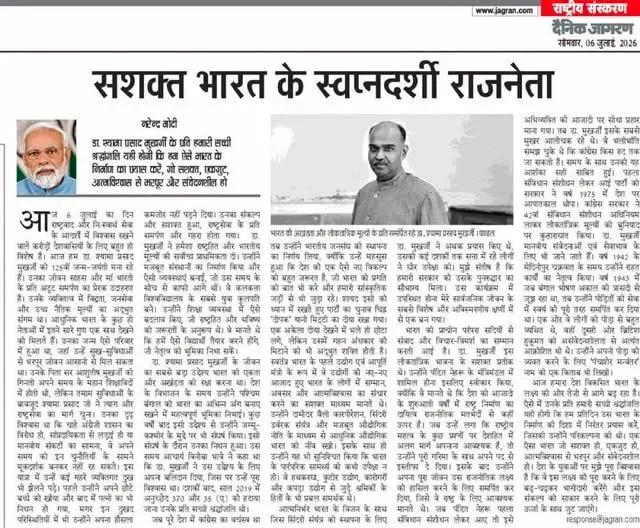
Union Culture Minister Gajendra Singh Shekhawat on 6 July 2026 urged his followers to read PM Narendra Modi's article in Dainik Jagran on India's democratic traditions and the legacy of BJP ideological forebear Dr. Syama Prasad Mookerjee, calling the PM's reflections inspiring.
Key Takeaways
Union Minister Gajendra Singh Shekhawat shared and recommended PM Narendra Modi's opinion piece published in Dainik Jagran on 6 July 2026 .
The article focuses on India's democratic traditions and the personality and national vision of Dr.
Syama Prasad Mookerjee .
Mookerjee founded the Bharatiya Jana Sangh in 1951 , the direct ideological predecessor of the BJP .
Shekhawat described PM Modi's thoughts on Mookerjee's democratic values as inspiring .
The post continues a consistent BJP pattern of invoking Mookerjee's legacy through media and public commemorations.
Further cultural events or opinion pieces around Mookerjee's birth and death anniversaries are likely to follow.
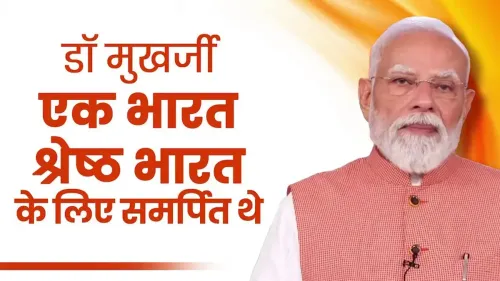
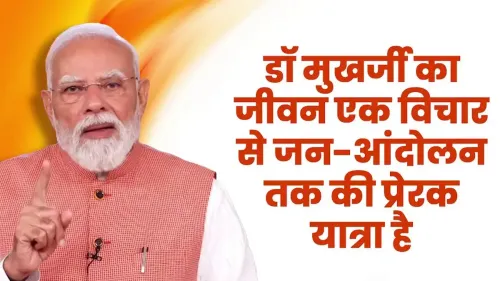
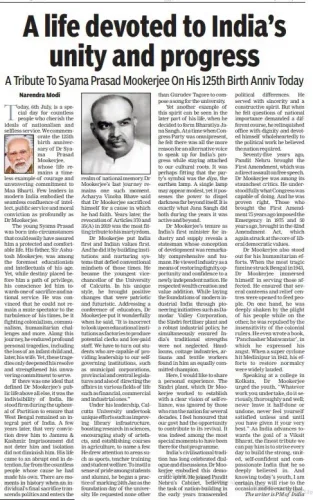
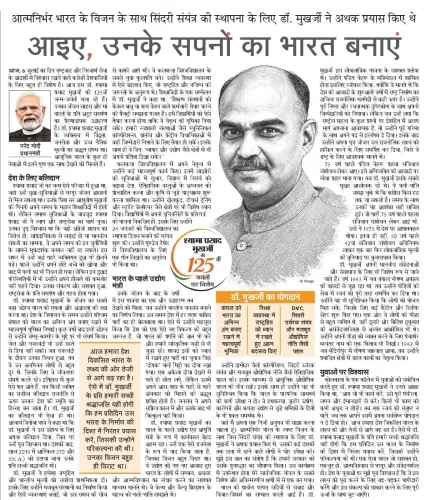
Union Culture and Tourism Minister Gajendra Singh Shekhawat on Monday, 6 July 2026, took to X to recommend an article authored by Prime Minister Narendra Modi, published in Dainik Jagran, that examines India's democratic traditions and the legacy of Dr. Syama Prasad Mookerjee.
Context
Shekhawat, in his post, urged followers to read what he described as a piece presenting India's democratic tradition, culture of deliberation and dialogue with fresh perspective — 'भारत की लोकतांत्रिक परंपरा, विचार-विमर्श और संवाद की संस्कृति को नई दृष्टि से प्रस्तुत करता' ('presenting India's democratic tradition, culture of discussion and dialogue in a new light'). He specifically highlighted PM Modi's thoughts on the personality, national vision and democratic values of Dr. Syama Prasad Mookerjee, calling them inspiring — 'प्रेरणादायी'.
The article appeared in Dainik Jagran, one of India's largest Hindi daily newspapers, which regularly carries opinion pieces by national leaders.
Policy Backdrop
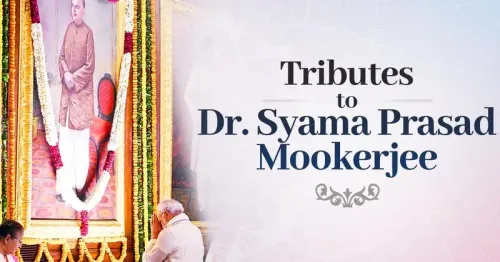
Dr. Syama Prasad Mookerjee founded the Bharatiya Jana Sangh in 1951, the ideological predecessor of today's Bharatiya Janata Party. He is remembered for his advocacy of national integration and his strong opposition to a separate permit system for entry into Jammu and Kashmir, a cause for which he was arrested in 1953 and subsequently died in custody.
The BJP has consistently invoked Mookerjee's legacy through commemorations, writings and public events, connecting early nationalist thought with present-day governance priorities. PM Modi has previously written and spoken at length about figures from this political lineage as part of a broader effort to anchor contemporary policy in historical democratic values.
Stakeholders and Impact
BJP workers, political historians and students of Indian democratic thought are the primary audience for such interventions. Senior party leaders amplifying PM Modi's writings in mainstream Hindi media ensures wide reach, particularly in Hindi-speaking states such as Rajasthan, Uttar Pradesh and Madhya Pradesh.
For the Ministry of Culture, associating the democratic and cultural narrative with founding ideological figures also aligns with ongoing programmes to document and celebrate India's political heritage.
What's Next
Observers will watch for further commemorative events or cultural ministry programmes around Dr. Mookerjee's birth anniversary in July or death anniversary in June in coming years. The pattern of senior leaders using newspaper columns to frame national integration and democratic dialogue suggests additional such opinion pieces are likely around key dates in the political calendar.
Point of View
Not merely a book recommendation. By publicly endorsing a sitting Prime Minister's tribute to the BJP's founding father, a senior Cabinet minister signals the party's ongoing effort to weave Mookerjee's democratic and integrationist credentials into the current government's cultural narrative. The choice of a mass-circulation Hindi daily as the platform maximises reach among the party's core voter base in the Hindi heartland. This pattern — senior leaders cross-promoting PM Modi's writings on historical figures — functions as a coordinated exercise in political heritage-building ahead of any significant anniversary or policy moment.
NationPress
5 Oct 2026
Frequently Asked Questions
What did Gajendra Singh Shekhawat post about PM Modi?
Shekhawat posted on X on 6 July 2026 recommending PM Narendra Modi's article in Dainik Jagran, which discusses India's democratic traditions and the legacy of Dr. Syama Prasad Mookerjee, calling the PM's reflections inspiring.
What is PM Modi's article in Dainik Jagran about?
According to Shekhawat's post, PM Modi's article presents India's democratic tradition and culture of dialogue in a new light, focusing on the personality, national vision and democratic values of Dr. Syama Prasad Mookerjee.
Who was Syama Prasad Mookerjee?
Dr. Syama Prasad Mookerjee was an Indian politician who founded the Bharatiya Jana Sangh in 1951, the ideological predecessor of the BJP. He is known for his advocacy of national integration and opposition to a separate permit system for Jammu and Kashmir.
Why does the BJP frequently commemorate Syama Prasad Mookerjee?
The BJP regards Mookerjee as its founding ideological forebear. The party consistently highlights his legacy through commemorations, writings and events to connect early nationalist thought with its present-day governance priorities.
What is Gajendra Singh Shekhawat's role in the Indian government?
Gajendra Singh Shekhawat is the Union Minister of Culture and Tourism in the Government of India and a senior BJP leader. He is a Lok Sabha MP representing the Jodhpur constituency in Rajasthan.