CM Rekha Gupta Hails PM Modi's Article on Syama Prasad Mookerjee
Synopsis
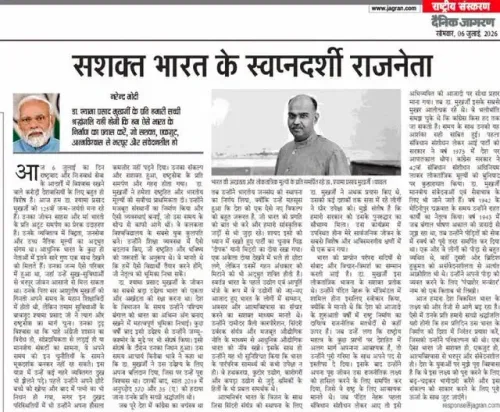
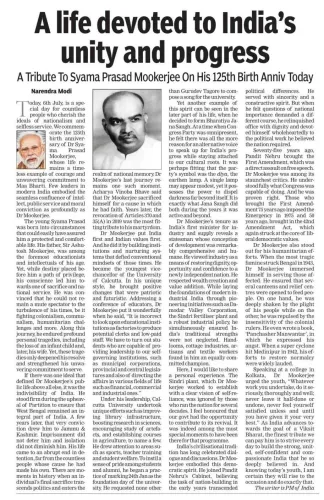
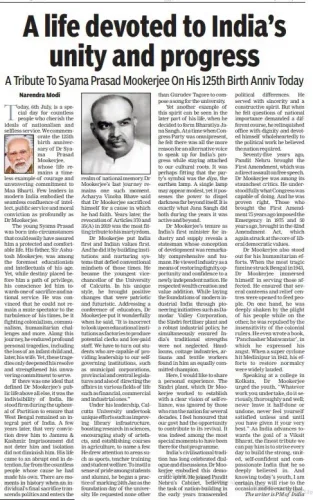
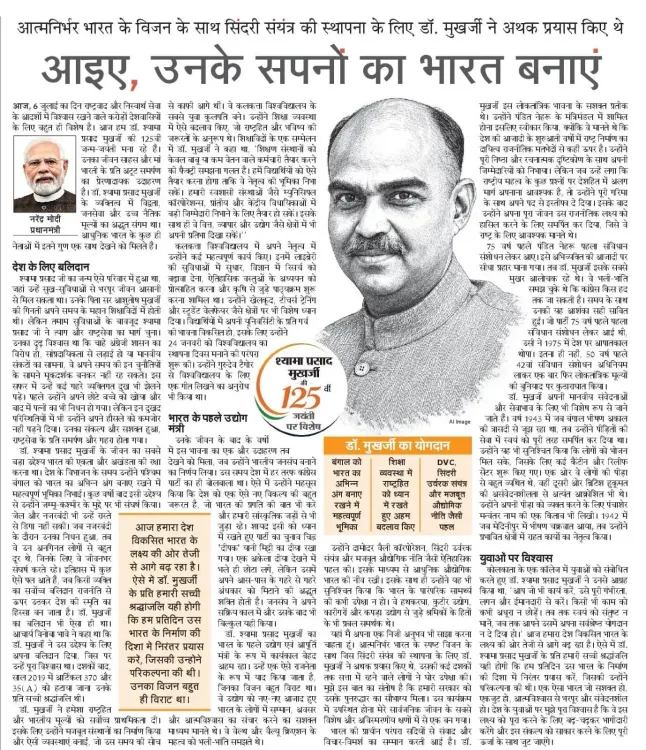
Delhi Chief Minister Rekha Gupta on 6 July 2026 shared PM Modi's article on Dr. Syama Prasad Mookerjee's birth anniversary, praising it as a substantive account of his vision for national unity, self-reliant India, education, and industrial development.
Key Takeaways
Delhi CM Rekha Gupta endorsed PM Narendra Modi's article on Dr.
Syama Prasad Mookerjee on 6 July 2026 , his birth anniversary.
The article, published in a Hindi-language daily, covers Mookerjee's vision on national unity, self-reliant India, education, and industrial development.
Mookerjee founded the Bharatiya Jana Sangh in 1951 , the ideological and organisational precursor to the BJP.
The BJP abrogated Article 370 in 2019 , citing fulfilment of Mookerjee's long-standing demand for full integration of Jammu and Kashmir .
His call for economic self-reliance is echoed in the government's Atmanirbhar Bharat initiative launched in 2020 .
The tribute aligns with the BJP's recurring practice of commemorating nationalist figures to establish its ideological lineage.
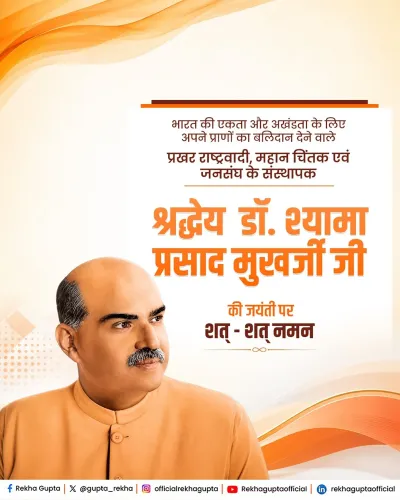
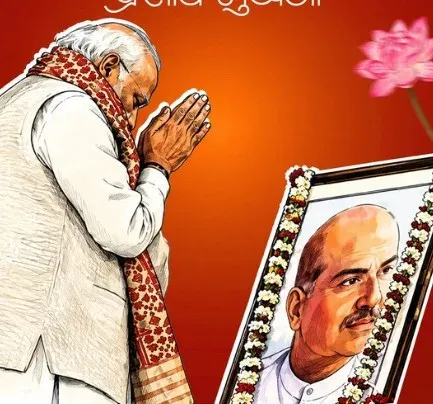
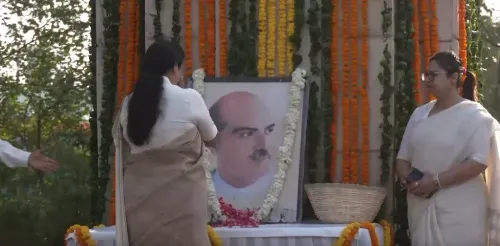
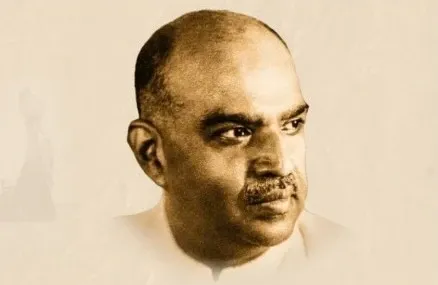
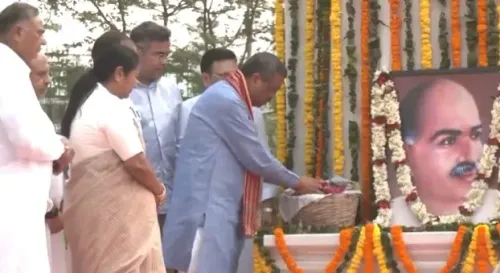
Delhi Chief Minister Rekha Gupta on Monday, 6 July 2026, shared and endorsed an article authored by Prime Minister Narendra Modi on the life and legacy of Dr. Syama Prasad Mookerjee, calling it a meaningful introduction to the nationalist leader's visionary contributions to nation-building.
Context
In her post, CM Gupta wrote that PM Modi's article offers a 'sारगर्भित परिचय' (substantive introduction) to Dr. Mookerjee's far-sighted leadership, deep intellectual thought, and historic role in shaping modern India. She noted that the Prime Minister had expressed, in a 'simple and effective manner', Mookerjee's vision on national unity, self-reliant India, education, and industrial development. The post coincides with Dr. Mookerjee's birth anniversary on 6 July, a date the BJP observes with commemorative events and tributes each year.
Policy Backdrop
Dr. Syama Prasad Mookerjee founded the Bharatiya Jana Sangh in 1951 as a political platform rooted in cultural nationalism and territorial integrity — the ideological precursor to today's BJP. He was among the most vocal opponents of Article 370, demanding full integration of Jammu and Kashmir with the Indian Union, a cause the BJP government cited when it abrogated the provision in 2019. His advocacy for industrial self-reliance and indigenous education finds contemporary resonance in the Atmanirbhar Bharat initiative launched in 2020.
PM Modi has on multiple occasions authored articles and delivered speeches drawing a direct line from Mookerjee's ideological vision to the present government's policy agenda. The article referenced by CM Gupta was published in a Hindi-language daily, making it accessible to a wide readership across northern India.
Stakeholders and Impact
The tribute carries significance for the BJP's organisational base, for whom Mookerjee represents a founding intellectual and martyr — he died in detention in Kashmir in 1953 while protesting restrictions on movement into the state. Nationalist historians and cultural organisations affiliated with the broader Sangh ecosystem regularly cite his writings on education, decentralisation, and economic self-sufficiency as prescient. By amplifying PM Modi's article, CM Gupta reinforces her alignment with the party's ideological narrative at the national level, even as she leads the Delhi government.
For ordinary citizens, particularly students and young BJP workers in Delhi, such articles serve as curated introductions to the party's intellectual heritage, positioning Mookerjee's ideas as foundational to contemporary governance priorities.
What's Next
With 6 July marking Mookerjee's birth anniversary, further commemorative statements, seminars, and possible parliamentary references to his legacy are expected from BJP leaders across the country. CM Gupta's endorsement signals that Delhi's BJP leadership intends to keep Mookerjee's ideas — particularly on national unity and economic self-reliance — at the centre of its political messaging. As the party continues to draw ideological continuity between its founders and current governance, tributes of this nature are likely to feature prominently in BJP's public communication calendar throughout the year.
Point of View
Atmanirbhar Bharat, and education — Gupta signals both loyalty to the party's central narrative and her role as a key communicator of that narrative from Delhi. The timing, on the birth anniversary itself, maximises the symbolic weight of the gesture. Such tributes serve a dual purpose: they consolidate the party faithful while presenting a historical counter-narrative to Congress-centric accounts of India's nation-building.
NationPress
6 Oct 2026
Frequently Asked Questions
Who is Dr. Syama Prasad Mookerjee and why is he important to the BJP?
Dr. Syama Prasad Mookerjee founded the Bharatiya Jana Sangh in 1951, the political precursor to the BJP, and championed national integration, opposition to Article 370, and economic self-reliance. The BJP regards him as a founding ideological figure and martyr who died in detention in Kashmir in 1953.
What did Delhi CM Rekha Gupta say about PM Modi's article on Mookerjee?
CM Rekha Gupta said PM Modi's article offers a substantive and effective introduction to Dr. Mookerjee's visionary leadership, deep intellectual thought, and historic contributions to nation-building, particularly on national unity, self-reliant India, education, and industrial development.
When is Syama Prasad Mookerjee's birth anniversary?
Dr. Syama Prasad Mookerjee's birth anniversary falls on 6 July. The BJP observes the date annually with commemorative tributes, events, and statements from party leaders across the country.
What is the connection between Syama Prasad Mookerjee and Article 370?
Dr. Mookerjee was one of the most prominent opponents of Article 370, demanding full integration of Jammu and Kashmir with India. The BJP cited his legacy when it abrogated Article 370 in August 2019.
How does Syama Prasad Mookerjee's vision relate to Atmanirbhar Bharat?
Mookerjee advocated for industrial self-reliance and indigenous economic development decades before independence. The BJP draws a parallel between his vision and the Atmanirbhar Bharat initiative launched by PM Modi in 2020 to promote domestic manufacturing and economic self-sufficiency.