Shekhawat Greets Devotees on Khatu Shyam Janmotsav
Synopsis
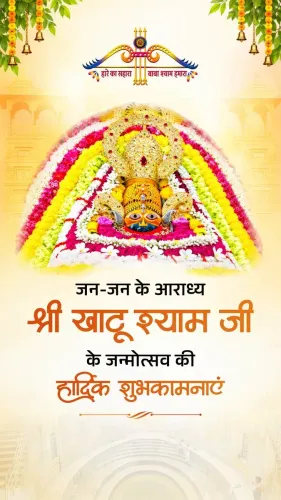
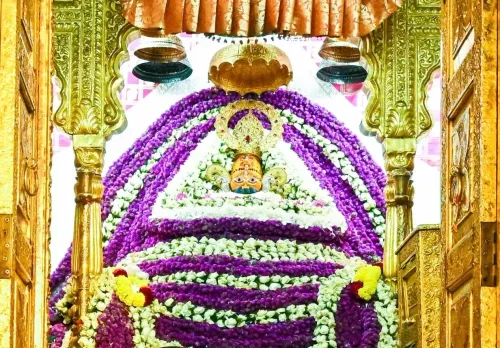
Union Culture Minister Gajendra Singh Shekhawat greeted devotees on Khatu Shyam Janmotsav coinciding with Devotthan Ekadashi, invoking the deity's signature invocation as refuge for the downtrodden. Khatu Shyam, venerated as an incarnation of Barbarika from the Mahabharata, is among Rajasthan's most beloved deities.
Key Takeaways
Union Culture and Tourism Minister Gajendra Singh Shekhawat posted birthday greetings for Shri Khatu Shyam on 20 November 2026 .
The occasion coincides with Devotthan Ekadashi (Prabodhini Ekadashi), marking Vishnu's awakening from Chaturmas and the resumption of auspicious activities.
Khatu Shyam is worshipped as an incarnation of Barbarika , grandson of Bhima, who surrendered his head to Krishna before the Kurukshetra war.
The Khatu Shyam temple in Sikar district, Rajasthan is one of the most visited pilgrimage destinations in northern India.
The invocation 'Hare ka sahara, Baba Khatu Shyam hamara' positions the deity as the divine refuge of the hopeless and defeated.
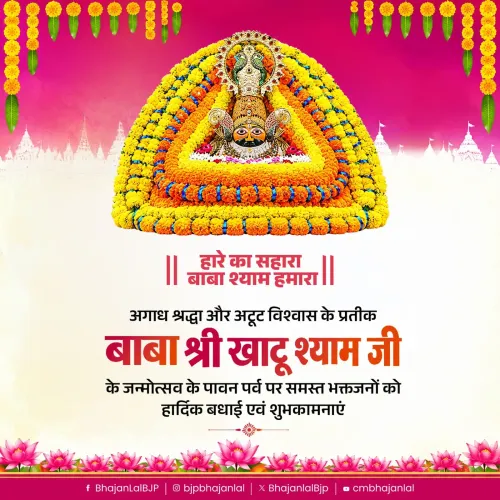
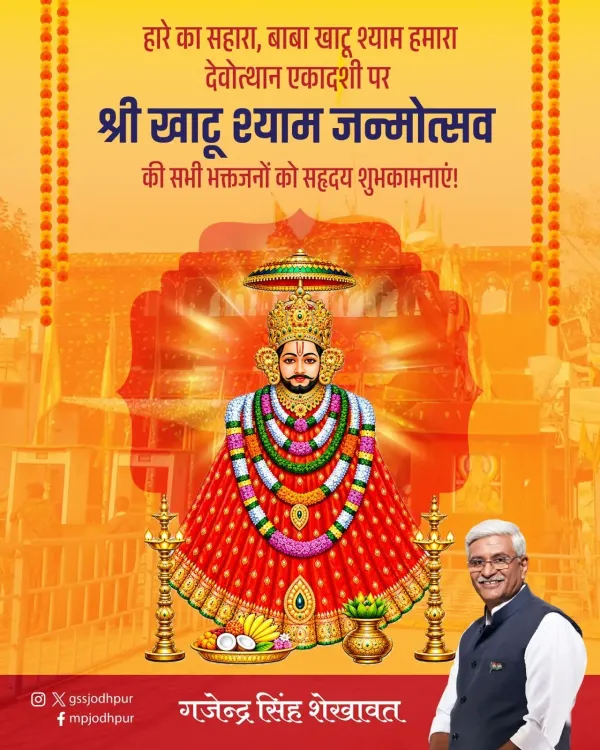
On Devotthan Ekadashi, Union Culture and Tourism Minister Gajendra Singh Shekhawat extended heartfelt wishes to devotees of Shri Khatu Shyam on the occasion of the deity's birth anniversary, invoking the beloved folk invocation — 'Hare ka sahara, Baba Khatu Shyam hamara' ('For those who have lost all hope, Baba Khatu Shyam is our refuge').
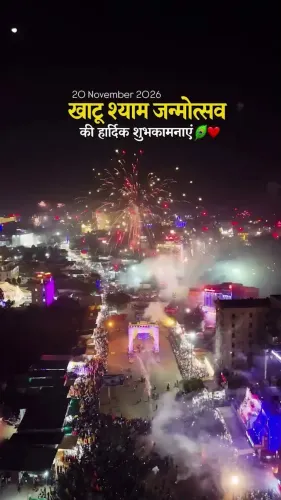
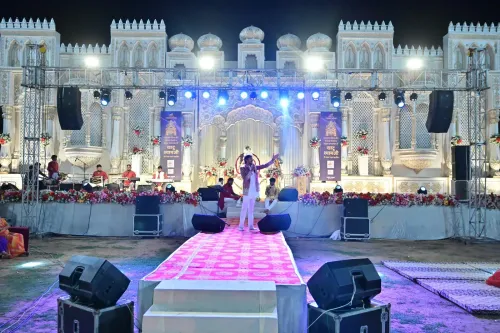
Shekhawat's post, shared on Friday, 20 November 2026, captures the deep devotional current that runs through Rajasthan — particularly in the Shekhawati belt, where the Khatu Shyam temple in Sikar district draws millions of pilgrims every year.
Who is Khatu Shyam — and why the following is so fierce
Shri Khatu Shyam is venerated as an incarnation of Barbarika, the mighty grandson of Bhima from the Mahabharata. According to devotional tradition, Barbarika pledged his head to Lord Krishna before the Kurukshetra war, and Krishna in turn blessed him with immortal worship — granting him the name 'Shyam'. The deity became a symbol of unconditional surrender and divine protection for the downtrodden, which is precisely why the phrase 'hare ka sahara' — refuge of the defeated — resonates so powerfully with his followers. The Khatu Shyam temple in Sikar is one of the most visited pilgrimage sites in northern India, drawing especially large crowds during Phalgun Mela and on Ekadashi days throughout the year.Devotthan Ekadashi — the auspicious frame
Devotthan Ekadashi — also called Prabodhini Ekadashi — marks the moment when Lord Vishnu awakens from his four-month cosmic sleep known as Chaturmas. It is considered among the most auspicious days in the Hindu calendar: the day auspicious activities resume, weddings return to the calendar, and the festive winter season truly begins. Celebrating Khatu Shyam's birth anniversary on this day layers two significant observances into a single moment of devotional intensity.A Jodhpur MP's Rajasthani roots on full display
For a Lok Sabha MP from Jodhpur who also holds the culture portfolio at the Centre, the greeting is both personal and political in the most organic sense. Rajasthan-origin BJP leaders routinely mark regional Hindu festivals publicly — reinforcing cultural bonds with a home-state electorate steeped in devotional traditions. Shekhawat's message is in keeping with that pattern, and it carries extra weight given his ministerial mandate to promote India's living cultural heritage. As the country's pilgrimage economy grows and temple-circuit tourism gains policy traction, expressions like this one sit at the intersection of faith, identity, and institutional attention — a reminder that for crores of devotees, Khatu Shyam is not folklore but lived reality.Point of View
High-resonance form of outreach. The timing on Devotthan Ekadashi, one of the most auspicious days in the Vaishnava calendar, amplifies the message's reach well beyond the Shekhawati belt. For a minister who holds the culture portfolio, such expressions also reinforce the government's broader positioning of living religious traditions as an inseparable part of India's cultural heritage. The convergence of a popular folk deity's birth anniversary with a pan-Hindu observance makes this a moment that travels far beyond party politics into genuine community sentiment.
NationPress
20 Nov 2026
Frequently Asked Questions
Who is Khatu Shyam and why is he worshipped?
Khatu Shyam is a popular Hindu deity worshipped at the temple in Sikar, Rajasthan. He is venerated as an incarnation of Barbarika, grandson of Bhima from the Mahabharata, who is believed to be a protector of the downtrodden and a granter of wishes.
What is Devotthan Ekadashi?
Devotthan Ekadashi, also known as Prabodhini Ekadashi, is a Hindu observance marking the awakening of Lord Vishnu after his four-month cosmic sleep (Chaturmas). It is considered highly auspicious and signals the resumption of weddings and other sacred activities.
What does 'Hare ka sahara Baba Khatu Shyam hamara' mean?
The phrase translates to 'For those who have lost all hope, Baba Khatu Shyam is our refuge.' It is the most popular devotional invocation associated with Khatu Shyam, emphasising his role as a protector of the helpless.
Where is the Khatu Shyam temple located?
The Khatu Shyam temple is located in Khatu village in Sikar district, Rajasthan. It is one of the most visited pilgrimage sites in northern India, particularly during Phalgun Mela and on Ekadashi days.
Why did Gajendra Singh Shekhawat post about Khatu Shyam?
As Union Culture and Tourism Minister and Lok Sabha MP from Jodhpur, Rajasthan, Shekhawat extended public greetings on the occasion of Khatu Shyam Janmotsav falling on Devotthan Ekadashi, in keeping with the tradition of BJP leaders from Rajasthan marking significant regional Hindu festivals.