CM Uttarakhand Urges Residents to Celebrate Igas with Cultural Pride
Synopsis
The Chief Minister's Office of Uttarakhand has appealed to residents to celebrate Igas and other traditional folk festivals with full devotion and dignity, while actively supporting local folk artists, craftsmen, and traditional products as a living part of their daily culture.
Key Takeaways
The Chief Minister's Office of Uttarakhand posted a cultural appeal on 18 November 2026 .
The appeal calls on residents to celebrate Igas and all traditional folk festivals with 'enthusiasm, devotion, and traditional dignity.' Residents were specifically urged to encourage local folk artists, craftsmen, and traditional products during festival occasions.
The Chief Minister asked people to make culture an 'inseparable part of daily life,' not just a seasonal celebration.
Igas is a traditional Himalayan folk festival observed in Uttarakhand, typically in the days following Diwali.
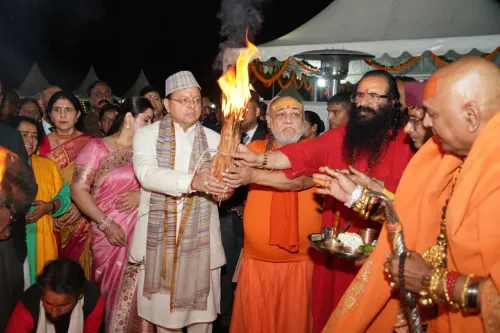
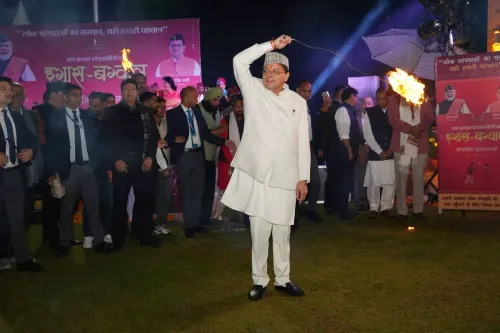
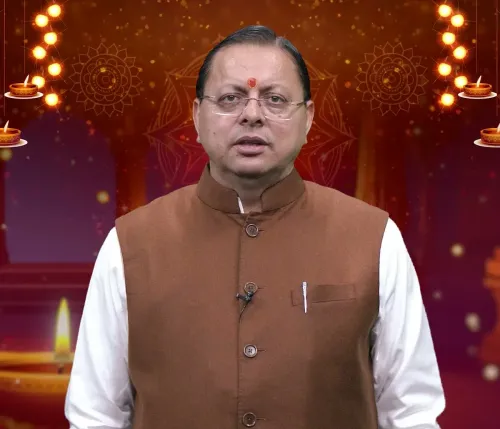
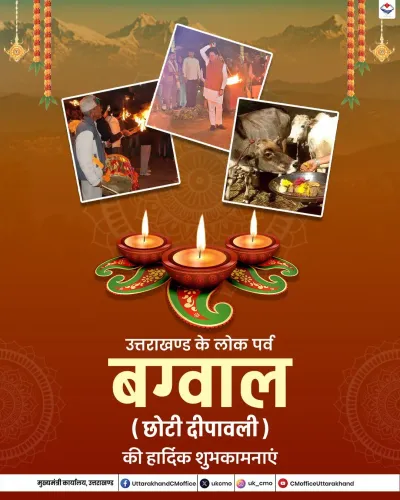
Ahead of Igas, Uttarakhand's cherished folk festival, the state's Chief Minister has asked residents to do more than light lamps — he has asked them to live their culture. The Chief Minister's Office of Uttarakhand posted the appeal on Wednesday, 18 November 2026, calling on people across the state to celebrate traditional festivals with full enthusiasm, devotion, and dignity.
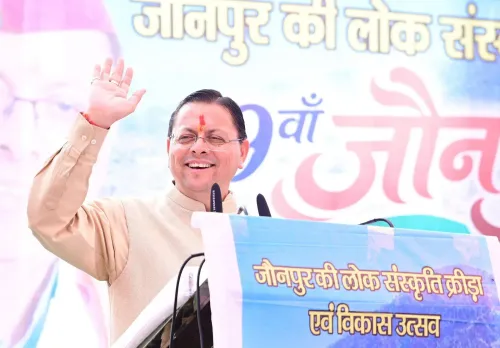
The appeal, shared in Hindi, urged residents to extend their support to local folk artists, craftsmen, and traditional products during such occasions. The Chief Minister's message was direct: 'apni sanskriti ko kewal utsav ka hissa na banakar apni jeevanshaily ka abhinn ang banayen' — 'do not make your culture merely a part of celebration; make it an inseparable part of your way of life.'
What Makes Igas Distinct in Uttarakhand's Festival Calendar
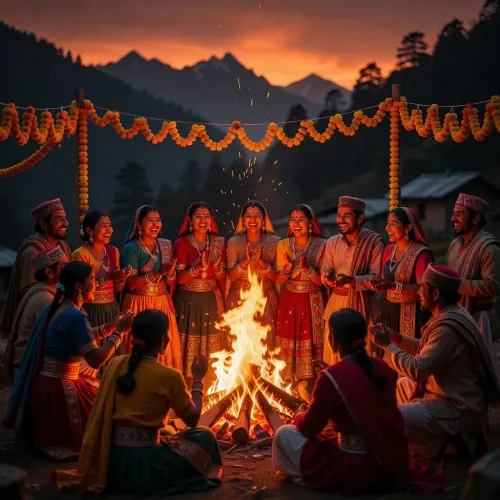
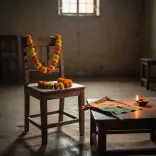
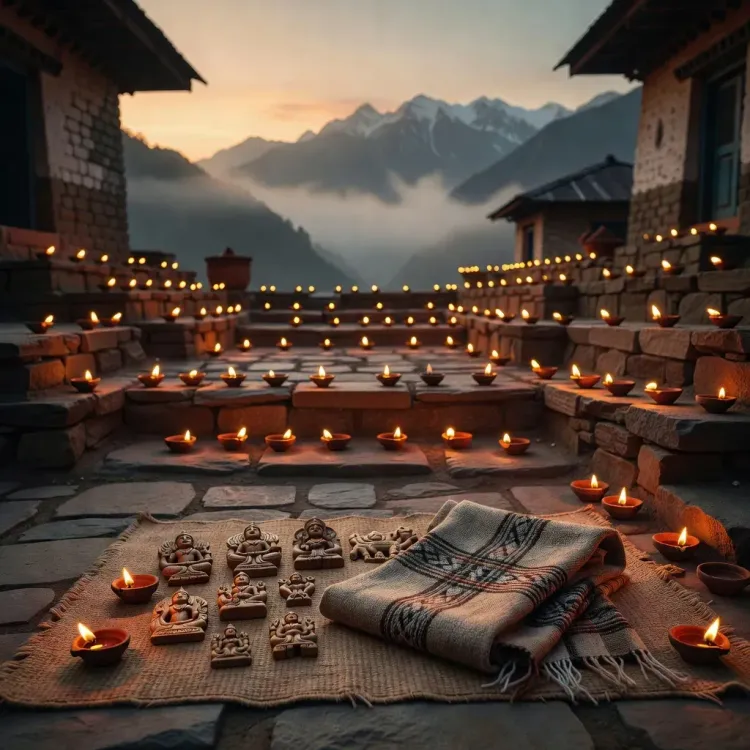
Igas is a traditional folk festival observed primarily in the Garhwal and Kumaon regions of Uttarakhand, typically celebrated in the days following Diwali. Communities mark it with the lighting of lamps, folk songs, and local rituals that carry a distinctly Himalayan character — separate from the broader pan-Indian Diwali tradition. For many villages in the hills, Igas is the more personal, rooted celebration.
The festival holds special cultural weight because it reflects the lived calendar of mountain communities, whose harvest rhythms and local deities differ from those of the plains. Keeping Igas alive is, in a sense, keeping a distinct identity alive.
Local Artisans at the Heart of the Appeal
The Chief Minister's message placed local folk artists and craftsmen front and centre — not as footnotes to the celebration, but as its very backbone. By encouraging residents to actively seek out and purchase traditional products, the appeal draws a direct line between cultural observance and economic support for Uttarakhand's artisan communities.
Uttarakhand governments have periodically issued such appeals as part of broader efforts to sustain the state's intangible cultural heritage alongside its growing tourism economy. The Himalayan region's folk traditions — in weaving, woodcraft, music, and ritual — face steady pressure from urbanisation and changing consumption habits. An appeal of this kind, coming from the top of the state government, signals a continued official commitment to cultural continuity.
The reminder that culture must become a 'way of life' rather than a seasonal performance is a pointed one — and for a state that wears its heritage as a tourism brand, it is also a practical call to authenticity.
Point of View
Nudging cultural pride toward community livelihood. For a state whose brand rests heavily on its Himalayan heritage, the message that culture must become a 'way of life' rather than a tourism backdrop is both aspirational and strategically grounded.
NationPress
18 Nov 2026
Frequently Asked Questions
What is the Igas festival in Uttarakhand?
Igas is a traditional folk festival observed in the Garhwal and Kumaon regions of Uttarakhand, typically celebrated in the days following Diwali, with lamp lighting, folk songs, and local rituals that reflect the distinct cultural calendar of Himalayan communities.
What did the Uttarakhand Chief Minister say about Igas 2026?
The Chief Minister urged residents to celebrate Igas and all traditional folk festivals with enthusiasm, devotion, and dignity, and to actively support local folk artists, craftsmen, and traditional products during these occasions.
How is Igas different from Diwali?
While Diwali is a pan-Indian festival, Igas is a distinctly Uttarakhand folk tradition observed a few days later, rooted in the local harvest rhythms, regional deities, and mountain community customs of the Garhwal and Kumaon hills.
Why is the Uttarakhand government promoting local artisans during festivals?
The state government has periodically issued appeals linking festival celebration to support for local craftsmen and folk artists, as part of broader efforts to sustain Uttarakhand's intangible cultural heritage and the livelihoods tied to it.
When did the Uttarakhand CM post the Igas cultural appeal?
The Chief Minister's Office of Uttarakhand posted the cultural appeal on Wednesday, 18 November 2026.