CM Conrad Sangma Launches ₹175 Cr Lakadong Turmeric Mission
Synopsis
Meghalaya CM Conrad Sangma on July 21, 2026, celebrated the Union government's launch of the ₹175.45 crore Mission Golden Spice in New Delhi, aimed at empowering 17,500 farming households and creating 3,000-plus livelihoods around the state's prized Lakadong turmeric.
Key Takeaways
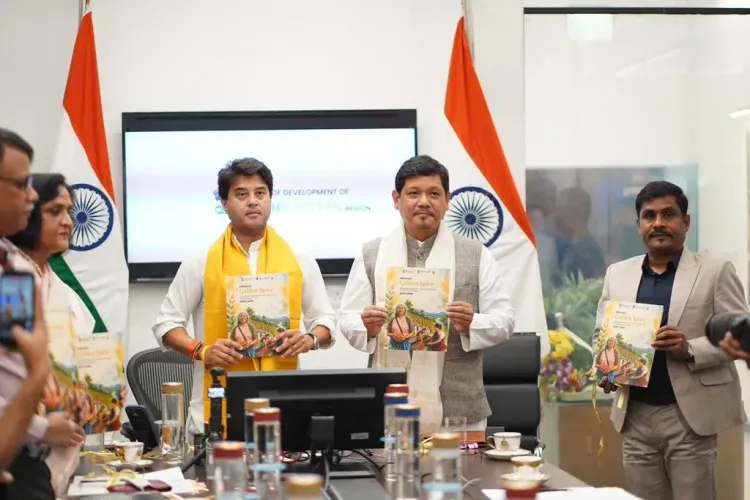
Mission Golden Spice — formally the Meghalaya Lakadong Turmeric Integrated Development Mission — was launched in New Delhi on July 21, 2026 by Union Minister Jyotiraditya Scindia .
The mission carries a total outlay of ₹175.45 crore and is backed by the Ministry of Development of North Eastern Region (MDoNER) .
It targets over 17,500 farming households and aims to create more than 3,000 new livelihoods in Meghalaya.
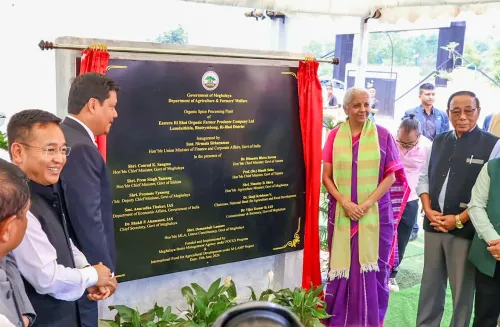
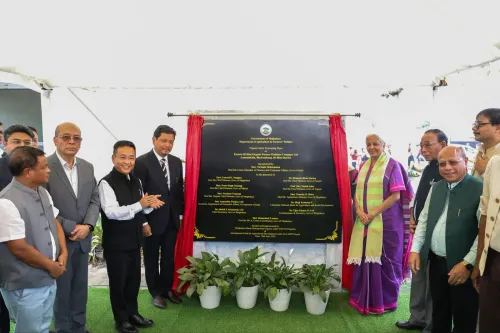
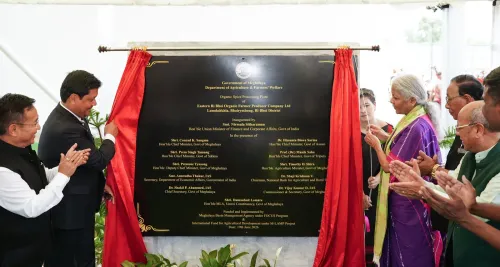
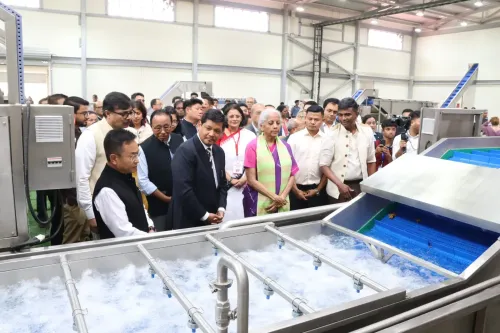
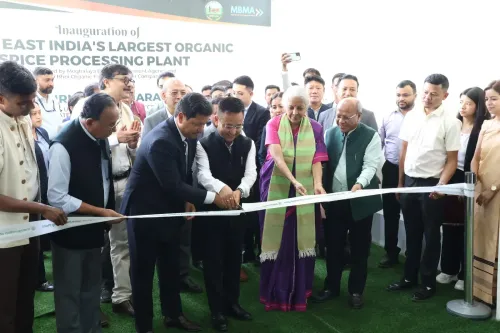
Just weeks earlier, Meghalaya inaugurated the North East's largest organically certified spice processing plant in Ri Bhoi district .
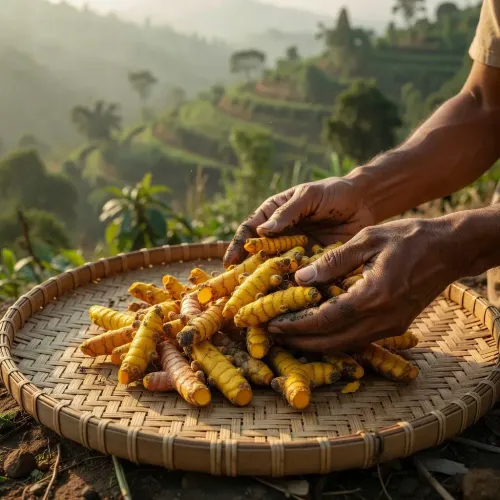
Lakadong turmeric is prized globally for its high curcumin content, making it a premium commodity in nutraceutical and export markets.
CM Conrad Sangma framed the mission as a step towards establishing Meghalaya as the 'global home of premium Lakadong turmeric.'
Meghalaya Chief Minister Conrad Sangma on Tuesday, July 21, 2026, welcomed the launch of the ₹175.45 crore Meghalaya Lakadong Turmeric Integrated Development Mission — branded 'Mission Golden Spice' — in New Delhi, with Union Minister for the Ministry of Development of North Eastern Region (MDoNER), Jyotiraditya Scindia, officiating the launch. The mission targets over 17,500 farming households and the creation of more than 3,000 livelihoods, positioning Meghalaya as a global centre for premium Lakadong turmeric.
Context
CM Sangma announced the development on social media, stating he was 'honoured' to have Scindia launch the mission, calling it 'another golden step' in the state's agricultural transformation journey. The announcement comes just weeks after Meghalaya achieved what officials describe as a historic milestone — the inauguration of the North East's largest organically certified spice processing plant in Ri Bhoi district. The two developments together signal an accelerating push to build end-to-end value chains around the state's signature spice.
Policy Backdrop
Lakadong turmeric, grown primarily in the Jaintia Hills region of Meghalaya, is internationally recognised for its exceptionally high curcumin content — typically ranging between 6 and 7 per cent, well above the global average of around 2 to 3 per cent. This chemical profile makes it among the most sought-after turmeric varieties in nutraceutical, pharmaceutical, and premium food markets worldwide. Despite this natural advantage, farmers in the region have historically struggled with limited processing infrastructure, fragmented supply chains, and inadequate market linkages.
The ₹175.45 crore integrated mission is designed to address these structural gaps by combining cultivation support, certified organic processing, branding, and direct market access. The MDoNER ministry, which funds development projects across the eight North Eastern states, has been channelling resources into agri-value-chain projects as part of a broader strategy to leverage the region's unique agricultural biodiversity. The Ri Bhoi spice processing plant, inaugurated last month, is expected to serve as the anchor infrastructure node for the new mission.
Stakeholders and Impact
The mission's primary beneficiaries are the 17,500-plus farming households engaged in Lakadong turmeric cultivation, predominantly smallholders in hilly terrain who currently have limited bargaining power in commodity markets. By creating more than 3,000 additional livelihoods — likely spanning processing, grading, packaging, and logistics roles — the scheme also targets rural youth and women in one of India's economically laggard regions. Organic certification, central to the mission's branding strategy, is expected to unlock premium export pricing and access to health-conscious consumer markets in Europe, the United States, and East Asia.
For the National People's Party (NPP) government in Meghalaya, the mission carries both economic and political weight. Connecting farm communities to high-value global supply chains is a tangible deliverable ahead of future electoral cycles, and the visible involvement of a senior Union Cabinet minister reinforces the Centre-state partnership narrative that CM Sangma has cultivated. The tag to @PMOIndia in Sangma's post underscores the intent to associate the initiative with the Prime Minister's office at the highest level.
What's Next
With the mission now formally launched, the focus shifts to implementation: rolling out cultivation-support packages to enrolled farming households, operationalising the Ri Bhoi processing plant at scale, and securing international organic certification for export consignments. Meghalaya's government is expected to work with MDoNER and commodity boards to establish a dedicated Lakadong turmeric brand and geographical indication (GI) marketing push in global markets. If execution matches ambition, the mission could serve as a replicable template for value-chain development around other North Eastern specialty crops.
Point of View
Moving beyond subsistence farming into branded global supply chains. For CM Sangma, securing a ₹175.45 crore Union commitment and high-profile ministerial presence in New Delhi is a political win that demonstrates the NPP government's ability to draw central resources to a small, hilly state. The explicit tagging of the PMO signals Sangma's intent to embed this initiative within the Prime Minister's broader North East development narrative, amplifying its visibility. The real test, however, will be whether implementation infrastructure — particularly the Ri Bhoi processing plant and organic certification pipelines — can scale fast enough to deliver tangible income gains to the 17,500 farming households before the political dividend fades.
NationPress
20 Oct 2026
Frequently Asked Questions
What is Mission Golden Spice in Meghalaya?
Mission Golden Spice is the popular name for the Meghalaya Lakadong Turmeric Integrated Development Mission, a ₹175.45 crore scheme launched on July 21, 2026, to develop the full value chain of Lakadong turmeric, empower over 17,500 farming households, and create more than 3,000 livelihoods in the state.
What is Lakadong turmeric and why is it special?
Lakadong turmeric is a variety grown primarily in Meghalaya's Jaintia Hills and is known for its exceptionally high curcumin content — typically 6 to 7 per cent — compared to the global average of 2 to 3 per cent, making it highly valued in pharmaceutical, nutraceutical, and premium food markets worldwide.
Who launched Mission Golden Spice and where?
Union Minister for MDoNER Jyotiraditya Scindia launched Mission Golden Spice in New Delhi on July 21, 2026, in the presence of Meghalaya Chief Minister Conrad Sangma.
What is the spice processing plant inaugurated in Ri Bhoi district?
The Ri Bhoi district plant is described as the North East's largest organically certified spice processing plant, inaugurated in June 2026. It is expected to serve as the anchor processing infrastructure for the Lakadong turmeric mission.
How many farmers will benefit from the Meghalaya turmeric mission?
The mission aims to benefit over 17,500 farming households engaged in Lakadong turmeric cultivation, while also generating more than 3,000 additional livelihoods across processing, packaging, and related sectors.