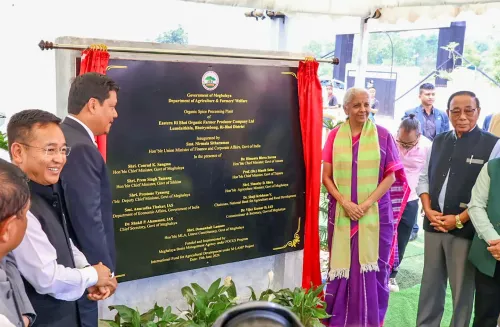
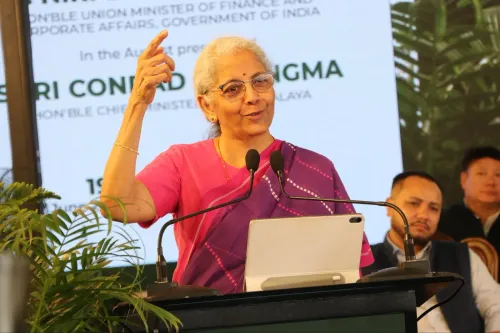
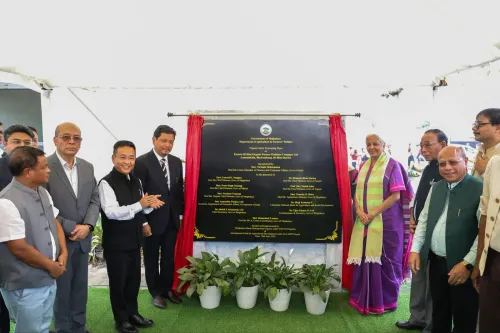
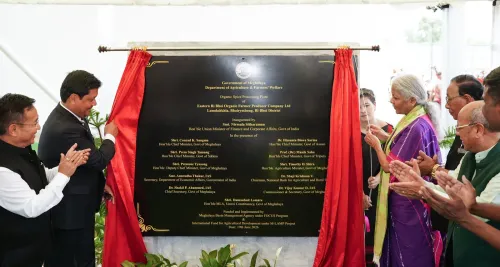
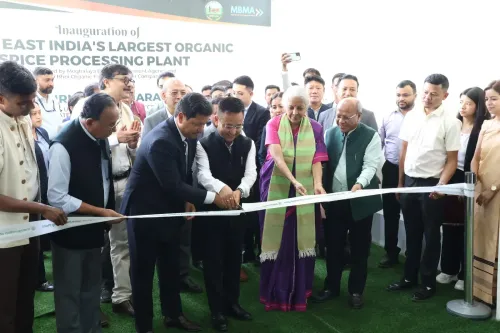
Nirmala Sitharaman inaugurates Northeast India's largest organic spice unit in Meghalaya
Synopsis
Finance Minister Nirmala Sitharaman's inauguration of a ₹32 crore organic spice unit in Meghalaya is more than a ribbon-cutting — it signals a deliberate policy pivot toward value-added, certification-ready agri-exports from the Northeast, a region that has long grown premium produce but exported it as cheap raw commodity.
Key Takeaways
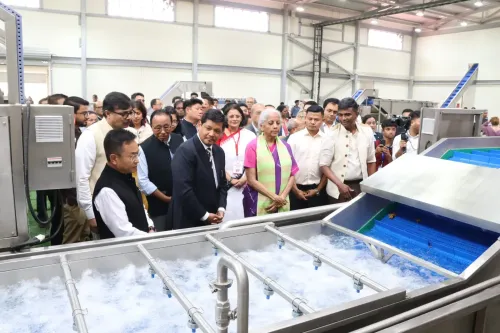
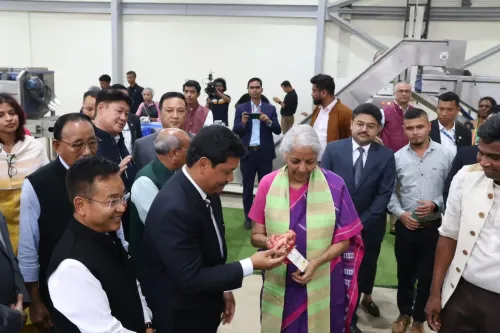
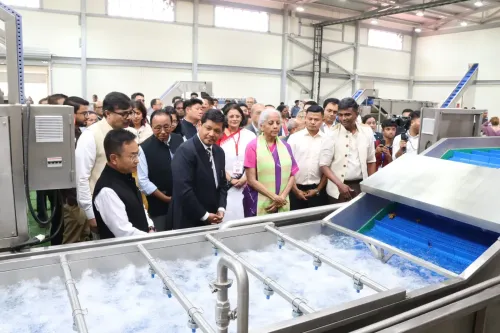
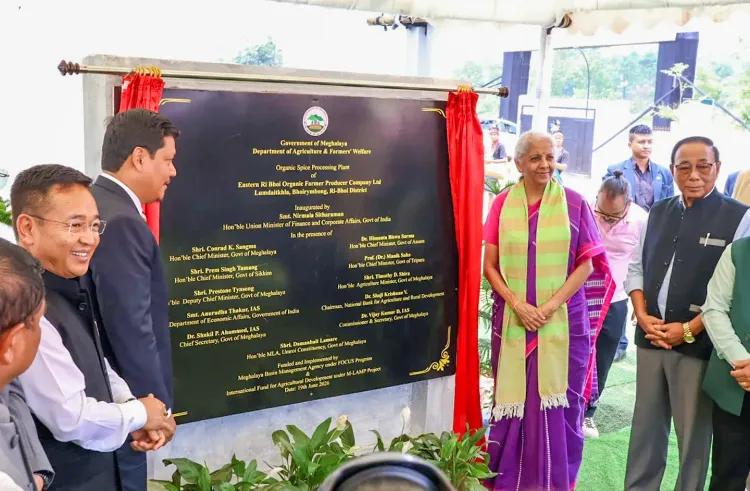
FM Nirmala Sitharaman inaugurated Northeast India's largest organic spice processing unit in Ri-Bhoi district, Meghalaya on 19 June 2025 .
The ₹32 crore facility, run by the Eastern Ri-Bhoi Organic Farmer Producer Company , will benefit around 5,500 organic farmers .
The unit will process over 10,000 metric tonnes of organic spices annually, including ginger, turmeric, black pepper and chilli.
It is certified under both NPOP and EU Organic Standards — the first such certified spice-processing unit in the Northeast.
Meghalaya CM Conrad K.
Sangma said the state has operationalised 11 processing units benefiting nearly 55,000 farmers .
Lakadong turmeric received Geographical Indication (GI) status in 2024 , boosting Meghalaya's premium agri-export credentials.
Union Finance Minister Nirmala Sitharaman on Friday, 19 June inaugurated Northeast India's largest organic spice processing facility in Ri-Bhoi district, Meghalaya, declaring that the future of agriculture belongs to those who produce 'better, cleaner, safer, more traceable and more sustainable products' — not merely those who maximise output. The ₹32 crore unit, set up by the Eastern Ri-Bhoi Organic Farmer Producer Company (FPC), is expected to directly benefit around 5,500 organic farmers across Meghalaya and the broader Northeast.
What the Facility Offers
The processing unit is the first organically certified spice-processing facility in the Northeast, equipped with cold storage, dry storage, washing, drying and pulverising infrastructure. It is designed to handle more than 10,000 metric tonnes of high-value organic spices annually — including ginger, turmeric, black pepper and chilli. The facility holds dual certification under the National Programme for Organic Production (NPOP) and EU Organic Standards, opening direct pathways to premium global markets.
What Sitharaman Said
Addressing farmers and community leaders, Sitharaman observed that Meghalaya had embraced sustainability long before it became a global imperative. She invoked traditional Khasi wisdom on accountability for human actions, arguing that decisions around soil, water and farming practices are foundational to long-term agricultural resilience.
'Consumers across the world are increasingly demanding high-quality, sustainably produced and traceable agricultural products. Meghalaya has a natural advantage in this emerging global market,' she said.
The minister highlighted the globally recognised Lakadong turmeric, which received Geographical Indication (GI) status in 2024, and the state's high-quality low-fibre ginger varieties. She stressed that the region must shift from exporting raw produce to exporting branded, value-added products. 'Processing, branding, packaging and certification are essential to ensure that more value, jobs and livelihoods remain within the region,' she added.
A Decade of Institution-Building
Sitharaman described the facility as the culmination of nearly a decade of institution-building by the farmer producer company — a model of how community participation, targeted investment and government support can generate inclusive rural growth. The FPC's journey underscores a broader national push to strengthen agricultural value chains through producer collectives rather than individual smallholder efforts.
State Government's Broader Push
Meghalaya Chief Minister Conrad K. Sangma termed the project a 'game-changing initiative', noting that the state has already operationalised 11 processing units benefiting nearly 55,000 farmers and their families. Sangma said the state is steadily building the infrastructure needed to connect farmers with larger markets and improve rural incomes across the region.
This comes amid a wider national emphasis on organic farming and agri-exports, with Northeast India increasingly positioned as a hub for premium, certification-ready produce. With dual international certification in place, the Ri-Bhoi unit is well-placed to capture rising global demand for traceable, sustainably grown spices.
Point of View
000 metric tonnes annually without reverting to raw-commodity offtake when premium market access hits friction. Meghalaya's GI-tagged produce has market cachet, but GI status alone has not historically translated into proportionate farmer income gains elsewhere in India. The Centre's visible presence here also carries a political signal: the Northeast's organic agriculture narrative is being consciously elevated ahead of a period when India is actively negotiating agri-export terms with the EU.
NationPress
19 Sept 2026
Frequently Asked Questions
What is the organic spice processing unit inaugurated in Meghalaya?
It is a ₹32 crore facility set up by the Eastern Ri-Bhoi Organic Farmer Producer Company in Ri-Bhoi district, Meghalaya — the largest organic spice processing unit in Northeast India. It is certified under both NPOP and EU Organic Standards and can process over 10,000 metric tonnes of organic spices annually.
Who inaugurated the facility and what did they say?
Union Finance Minister Nirmala Sitharaman inaugurated the unit on 19 June 2025. She said the future of agriculture belongs to those producing 'better, cleaner, safer, more traceable and more sustainable products', and urged the region to shift from raw produce exports to branded, value-added agri-products.
How many farmers will benefit from this facility?
The facility is expected to directly benefit around 5,500 organic farmers across Meghalaya and the wider Northeast. Meghalaya CM Conrad K. Sangma added that the state's 11 processing units collectively benefit nearly 55,000 farmers and their families.
What spices will the unit process?
The facility will process high-value organic spices including ginger, turmeric, black pepper and chilli. Meghalaya's Lakadong turmeric, which received GI status in 2024, is among the key produce expected to be processed and exported through this unit.
What certifications does the facility hold?
The processing unit is certified under India's National Programme for Organic Production (NPOP) and EU Organic Standards, making it eligible to supply directly to premium domestic and international markets, including in Europe.