Northeast organic farming can power India's growth: Nirmala Sitharaman
Synopsis
Finance Minister Nirmala Sitharaman's visit to a spice processing plant in Meghalaya's Ri-Bhoi district wasn't merely ceremonial — it was a policy signal. By framing the Northeast as India's next growth engine on the back of organic agriculture, she is pushing a 'quality over volume' agricultural thesis that, if backed by market linkages and export infrastructure, could redefine the region's economic identity ahead of 2047.
Key Takeaways
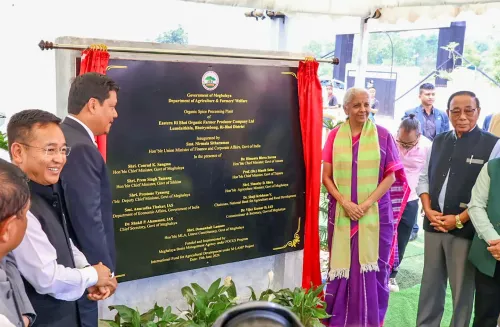
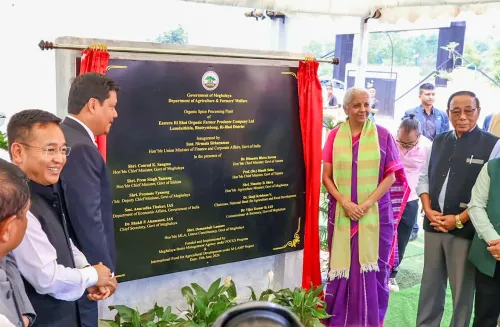
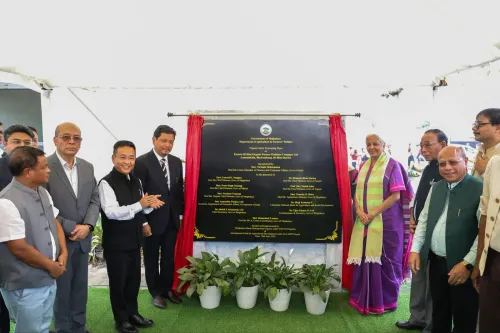
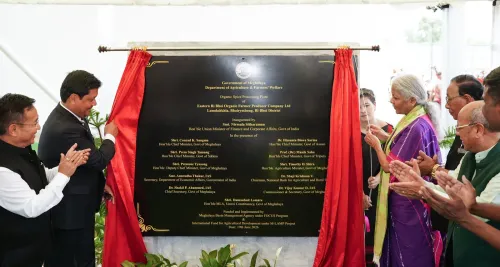
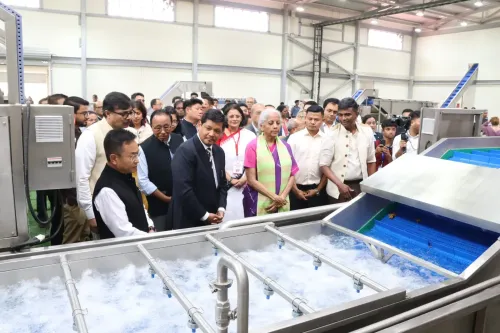
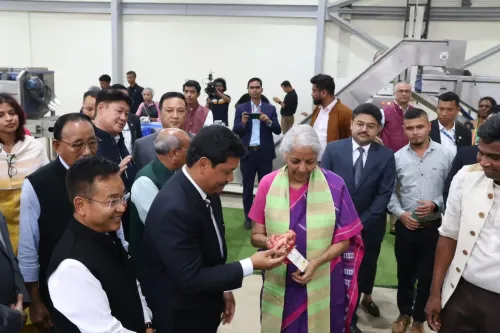
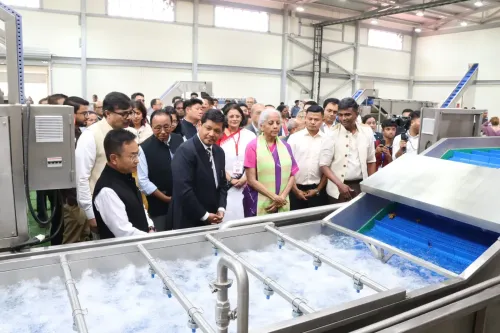
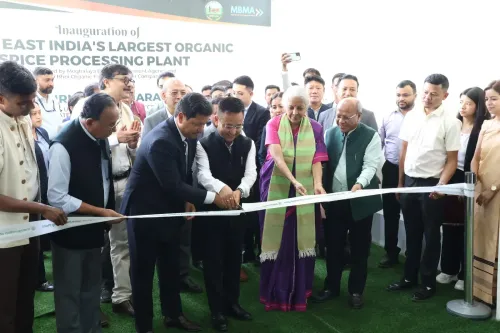
Finance Minister Nirmala Sitharaman inaugurated the Northeast's largest organic spice processing plant at Bhoirymbong, Ri-Bhoi district, Meghalaya on 19 June .
The plant is established by the Eastern Ri-Bhoi Organic Farmer Producer Company Limited and targets value addition for crops including Lakadong turmeric , ginger , and black pepper .
Sitharaman said the future of agriculture lies in quality, traceability, and consumer trust — not volume of production.
She linked the Northeast's organic potential to the Viksit Bharat 2047 vision, calling the region a pivotal contributor.
The Minister called for empowering women farmers through cooperatives and global market access to build internationally recognised organic brands.
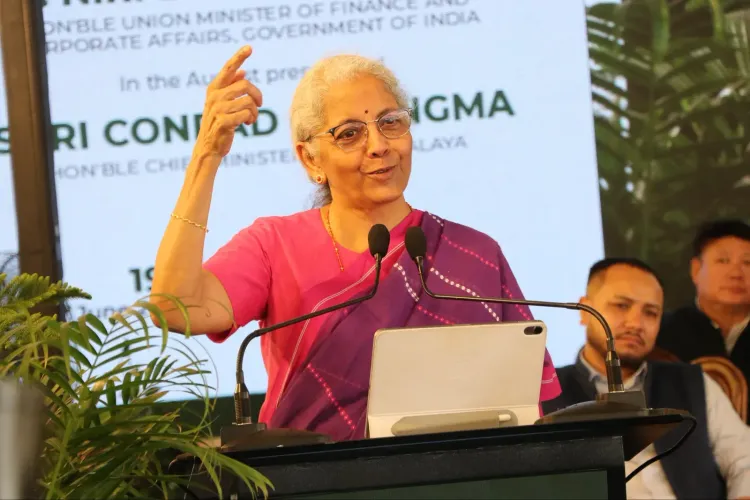
Union Finance Minister Nirmala Sitharaman on Friday, 19 June declared that the Northeast holds the potential to become India's next growth engine, citing the region's strengths in organic farming, sustainable agriculture, and premium-quality produce. Speaking at the inauguration of the Northeast's largest organic spice processing plant at Bhoirymbong in Meghalaya's Ri-Bhoi district, she said the region could lead the country's development trajectory in the years ahead.
The Facility and What It Means for Farmers
The newly inaugurated plant, set up by the Eastern Ri-Bhoi Organic Farmer Producer Company Limited, is designed to significantly enhance value addition, processing capacity, and market access for farmers growing high-value crops including Lakadong turmeric, ginger, and black pepper. The facility marks a concrete step toward converting raw organic output into commercially viable, export-ready products.
Sitharaman stressed that the future of agriculture lies not in volume but in quality, traceability, and consumer trust. 'The future belongs not to those who produce the most, but to those who produce the best — cleaner, more traceable, trusted and premium products,' she said.
Meghalaya's Edge in the Global Organic Market
The Finance Minister highlighted Meghalaya's growing prominence in the organic sector, noting that global consumers are increasingly seeking environmentally sustainable and ethically produced food. She pointed to the state's traditional farming practices, community-driven agriculture, and ecological heritage as competitive advantages in the emerging global economy.
'The world is entering an age where trust commands a premium, and Meghalaya possesses that trust rooted in nature and generations of ecological wisdom,' she remarked. This comes amid a broader international shift toward certified organic and traceable food supply chains, in which India's Northeast — with its relatively low chemical-input agriculture — is positioned to benefit.
Northeast's Role in Viksit Bharat 2047
Situating the occasion within India's larger development ambitions, Sitharaman invoked the Viksit Bharat vision — the government's goal of making India a developed nation by 2047 — and underscored that achieving it requires every region's active participation. She said the Northeast, long perceived as a peripheral zone in India's economic map, must be recognised as a central contributor.
She also called for empowering farmers, particularly women, through value addition, stronger producer cooperatives, and access to global markets, so they can build internationally recognised brands around the region's organic products. 'We have to live and cohabit with nature,' she added, emphasising that economic growth and environmental conservation must advance together.
Broader Context and What's Next
Notably, this is not the first time the Centre has spotlighted the Northeast's organic potential — the region has featured in multiple agricultural policy discussions over the past decade. However, the inauguration of a processing plant of this scale signals a shift from policy rhetoric toward physical infrastructure investment. Analysts and farmer groups will be watching whether market linkages and export facilitation follow the facility's launch. With global demand for certified organic spices rising, the Ri-Bhoi plant could serve as a replicable model for similar investments across the region.
Point of View
Cold-chain logistics, and certification support that convert farm-gate quality into premium global pricing. A single processing plant, however large, does not close that gap. The real test is whether the Centre follows the Ri-Bhoi inauguration with a coordinated push on GI tagging, export corridors, and women-led cooperative financing — or whether this remains a well-photographed moment in a long series of well-photographed moments.
NationPress
25 Sept 2026
Frequently Asked Questions
What did Nirmala Sitharaman inaugurate in Meghalaya on 19 June?
Finance Minister Nirmala Sitharaman inaugurated the Northeast's largest organic spice processing plant at Bhoirymbong in Meghalaya's Ri-Bhoi district on 19 June. The facility was established by the Eastern Ri-Bhoi Organic Farmer Producer Company Limited to boost value addition and market access for crops like Lakadong turmeric, ginger, and black pepper.
Why does Sitharaman believe the Northeast can lead India's growth?
She cited the region's strengths in organic farming, traditional ecological practices, and community-driven agriculture as competitive advantages in a global market increasingly demanding sustainable and traceable food products. She argued that trust, not volume, is the new currency in international agriculture.
What is the Viksit Bharat 2047 goal and how does the Northeast fit in?
Viksit Bharat 2047 is the Indian government's vision to make India a developed nation by the centenary of its independence. Sitharaman said achieving this goal requires every region's participation, with the Northeast playing a pivotal role through its organic agriculture potential.
Which crops does the new Meghalaya spice plant focus on?
The plant focuses on high-value organic crops including Lakadong turmeric, ginger, and black pepper — produce for which Meghalaya and the broader Northeast already have an established reputation in domestic and international markets.
What did Sitharaman say about women farmers in the Northeast?
She stressed the importance of empowering women farmers through value addition, stronger producer cooperatives, and access to global markets, so they can build internationally recognised brands around the region's organic products.