Sitharaman inaugurates northeast's largest organic spice unit in Meghalaya
Synopsis
India's largest organic spice processing unit in the northeast is now operational — EU-certified, farmer-owned, and capable of handling 10,000 metric tonnes a year. With the India-EU FTA on the horizon, the Ri-Bhoi facility could become the gateway for northeastern organic spices into Europe's premium markets, directly transforming incomes for 5,500 farmers.
Key Takeaways
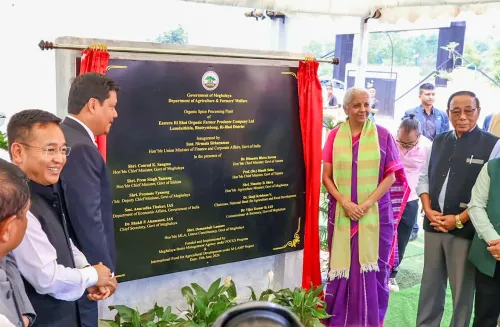
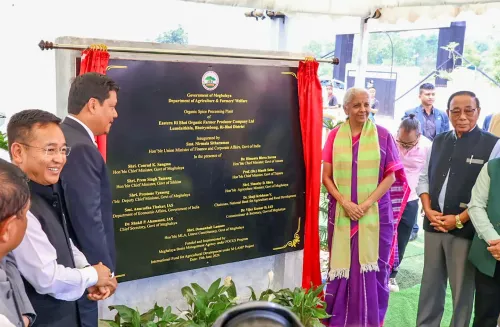
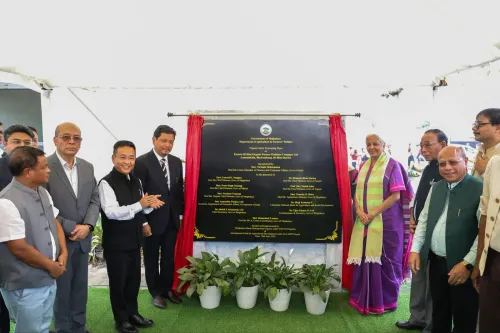
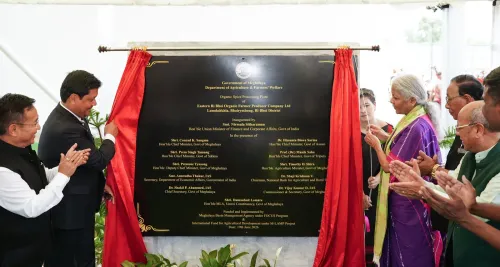
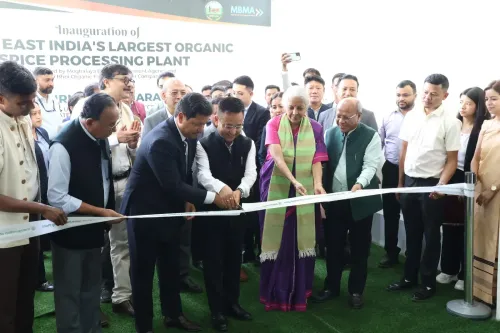
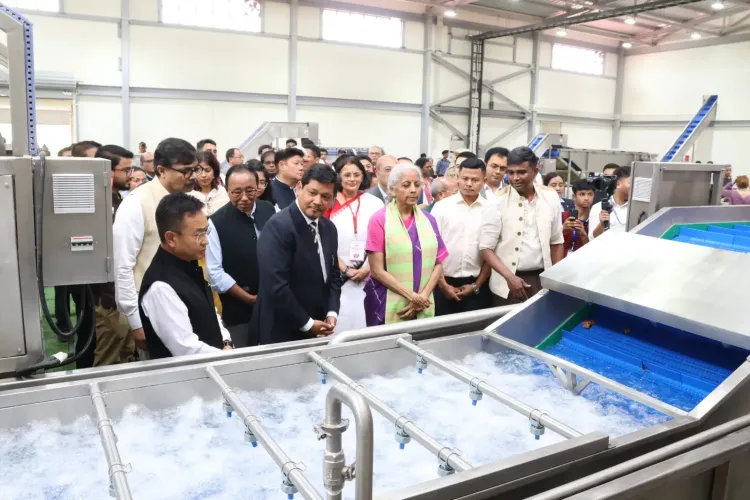
Finance Minister Nirmala Sitharaman inaugurated the northeast's largest organic spice processing unit at Bhoirymbong, Ri-Bhoi district, Meghalaya on 19 June .
The facility can process over 10,000 metric tonnes of organic spices — including ginger, turmeric, black pepper and chilli — annually.
It is certified under both NPOP and EU Organic Standards , enabling access to premium domestic and international markets.
Approximately 5,500 organic farmers across Meghalaya and the northeast are expected to benefit directly.
The unit operates under the Eastern Ri-Bhoi Organic FPC , promoted through the Centre's MOVCD-NER scheme.
The upcoming India-EU Free Trade Agreement is expected to further boost export prospects for the facility, according to the Spices Board India.
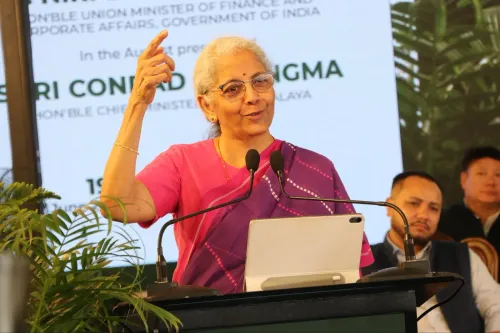
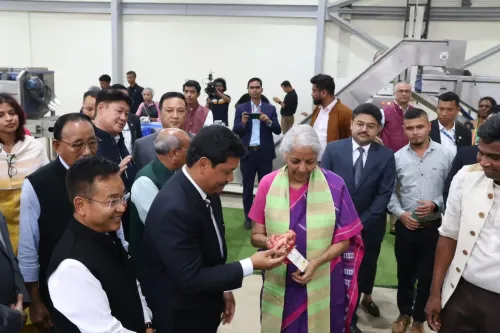
Finance Minister Nirmala Sitharaman on Friday, 19 June inaugurated the northeast's largest organic spice processing unit at Bhoirymbong in Meghalaya's Ri-Bhoi district, marking a significant milestone for the region's organic agriculture sector. Meghalaya Chief Minister Conrad Sangma and Sikkim Chief Minister P.S. Tamang Golay were present at the ceremony.
About the Facility
The unit has been set up under the Eastern Ri-Bhoi Organic Farmer Producer Company (FPC), a farmer-owned enterprise promoted through the Government of India's Mission Organic Value Chain Development for North Eastern Region (MOVCD-NER) scheme. It is the first organically certified spice processing unit in the northeast.
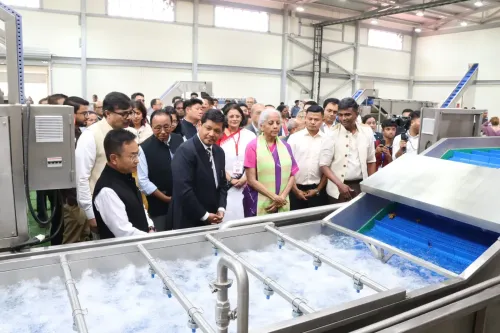
According to Finance Minister Sitharaman, the facility has the capacity to process more than 10,000 metric tonnes of high-value organic spices annually, including ginger, turmeric, black pepper and chilli. Infrastructure developed includes collection and aggregation centres, processing facilities, cold storage, vermicompost units, hiring centres and transportation facilities.
Certifications and Market Access
The processing unit holds certification under both the National Programme for Organic Production (NPOP) and EU Organic Standards, enabling direct access to premium domestic and international organic markets. This dual certification positions the facility to tap high-value export channels that were previously out of reach for most northeastern organic producers.
Impact on Farmers
The facility is expected to directly benefit approximately 5,500 organic farmers across Meghalaya and the broader northeastern region, according to an official statement. Key benefits include enhanced value addition, reduced post-harvest losses through modern storage and processing infrastructure, and stronger aggregation and quality control mechanisms.
The unit is also designed to provide direct linkages with national and international buyers, reducing dependence on intermediaries and fetching better prices for farmers. Local employment opportunities in processing, packaging and logistics are expected to follow, along with a boost to certified organic product exports from the region.
India-EU FTA and Export Outlook
The inauguration comes amid growing optimism around the India–European Union Free Trade Agreement (FTA), which, once operationalised, is expected to significantly expand export opportunities for Indian spices. According to the Spices Board India, the agreement could help exporters navigate non-tariff barriers more efficiently, align compliance standards and improve realisation through value-added products.
The EU remains one of the most high-value and tightly regulated markets for Indian spices, accounting for a substantial share of premium exports. Officials noted that improved market access, regulatory cooperation and greater trade predictability under the FTA are likely to benefit exporters, farmers and MSMEs across the value chain. With the Ri-Bhoi unit already EU-certified, it is well-positioned to capitalise on any tariff relief that emerges from the agreement.
Point of View
But certifications alone do not move volumes; sustained buyer relationships and logistics reliability will determine whether 5,500 farmers see real income gains. The timing against the India-EU FTA negotiations is strategically astute, but the FTA's spice provisions remain unfinished business. If the agreement stalls or carves out agricultural concessions, the export upside projected here could narrow considerably.
NationPress
19 Sept 2026
Frequently Asked Questions
What is the organic spice processing unit inaugurated in Meghalaya?
It is the northeast's largest organic spice processing unit, located at Bhoirymbong in Meghalaya's Ri-Bhoi district. Established under the Eastern Ri-Bhoi Organic Farmer Producer Company, it can process over 10,000 metric tonnes of organic spices annually and is certified under both NPOP and EU Organic Standards.
Who inaugurated the Ri-Bhoi organic spice unit and when?
Finance Minister Nirmala Sitharaman inaugurated the facility on 19 June, in the presence of Meghalaya Chief Minister Conrad Sangma and Sikkim Chief Minister P.S. Tamang Golay.
How many farmers will benefit from the Ri-Bhoi spice processing unit?
Approximately 5,500 organic farmers across Meghalaya and the northeastern region are expected to benefit directly. The facility aims to reduce post-harvest losses, improve price realisation by cutting out intermediaries, and create local employment in processing, packaging and logistics.
What is the MOVCD-NER scheme under which the unit was set up?
MOVCD-NER stands for Mission Organic Value Chain Development for North Eastern Region, a Government of India scheme designed to promote organic farming and build integrated value chains in the northeast. The Eastern Ri-Bhoi Organic FPC was promoted under this mission.
How does the India-EU FTA affect this facility's export prospects?
According to the Spices Board India, the India-EU Free Trade Agreement, once operationalised, is expected to improve market access, reduce non-tariff barriers and enhance trade predictability for Indian spice exporters. Since the Ri-Bhoi unit already holds EU Organic certification, it is positioned to benefit directly from any tariff concessions that emerge from the agreement.