Sitharaman highlights Meghalaya organic FPC's 10,000 MT spice facility
Synopsis
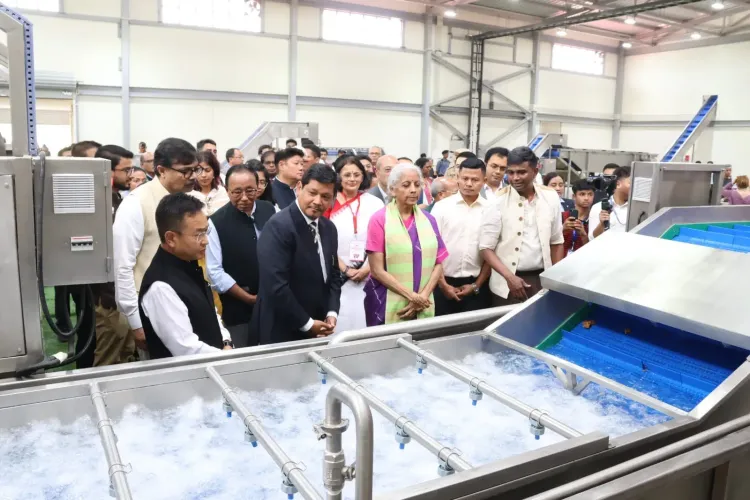
Finance Minister Nirmala Sitharaman highlighted the Eastern Ri-Bhoi Organic FPC in Meghalaya, which processes over 10,000 MT of NPOP and EU-certified organic spices annually and is set to benefit around 5,500 farmers in the North-Eastern Region through improved value addition and direct market access.
Key Takeaways
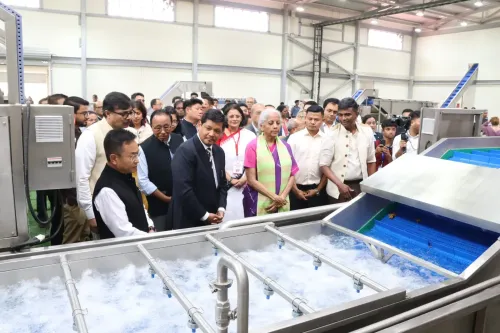
The Eastern Ri-Bhoi Organic FPC in Meghalaya can process more than 10,000 MT of organic spices — Ginger, Turmeric, Black Pepper and Chilli — annually.
The facility is certified under both NPOP and EU Organic Standards , enabling access to premium domestic and international markets.
Approximately 5,500 organic farmers across Meghalaya and the North-Eastern Region are expected to benefit directly.
Infrastructure includes collection centres, processing facilities, cold storage, vermicompost units, hiring centres and transportation assets.
Key benefits include reduced post-harvest losses, elimination of intermediaries, improved price realisation and local employment in processing and logistics.
The initiative aligns with the Mission Organic Value Chain Development for North Eastern Region (MOVCDNER) , launched in 2015 .
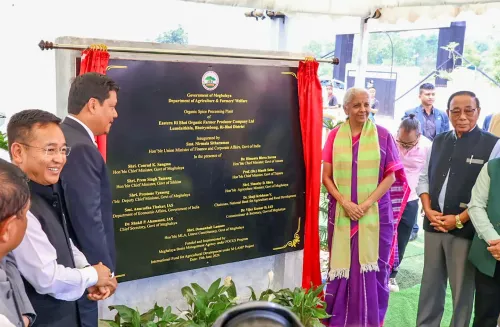
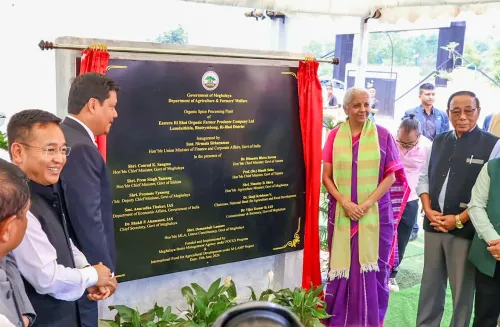
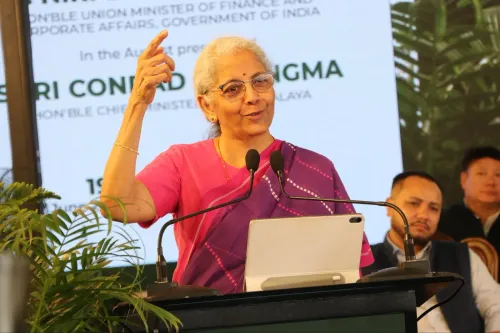
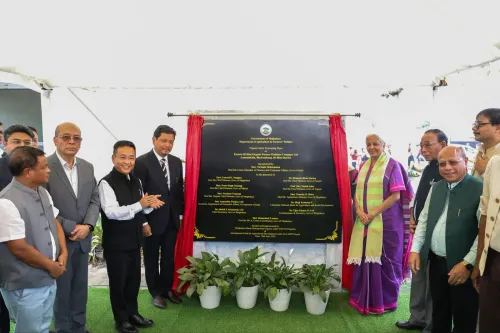
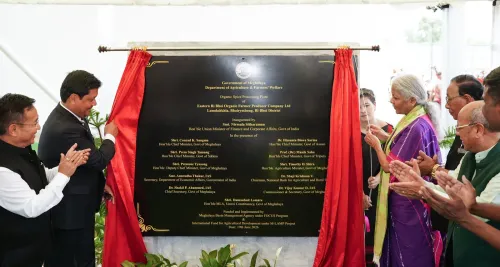
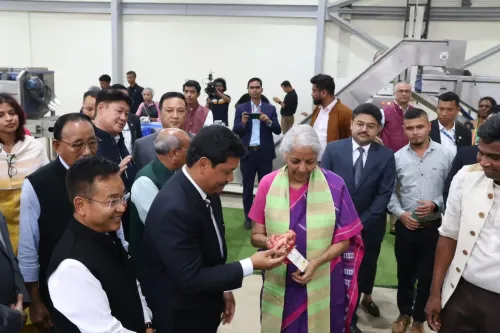
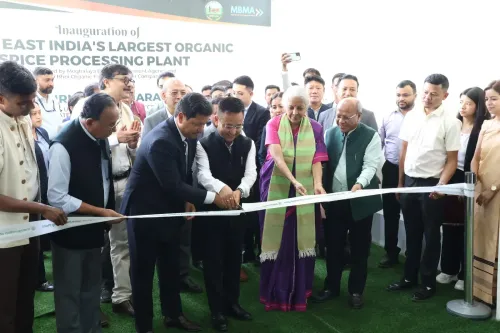
Union Finance Minister Nirmala Sitharaman on Friday, 19 June 2026, spotlighted the Eastern Ri-Bhoi Organic Farmer Producer Company (FPC) in Meghalaya, detailing how the collective has built end-to-end post-harvest infrastructure capable of processing more than 10,000 metric tonnes of certified organic spices every year, with the potential to directly benefit around 5,500 farmers across the North-Eastern Region.
Context
Sitharaman's post — the second in a thread — laid out the scale of the Eastern Ri-Bhoi FPC's physical assets: collection and aggregation centres, processing facilities, cold storage, vermicompost units, hiring centres and transportation infrastructure. The facility handles high-value organic spices including Ginger, Turmeric, Black Pepper and Chilli. The minister noted that the unit holds certification under both the National Programme for Organic Production (NPOP) and EU Organic Standards, giving it direct access to premium domestic and international markets.
The post underscores the government's effort to draw attention to agri-infrastructure investments in the North East, a region that has historically struggled with post-harvest losses and thin farmer margins due to limited processing capacity and dependence on intermediaries.
Policy Backdrop
The Eastern Ri-Bhoi FPC's infrastructure is consistent with the objectives of the Mission Organic Value Chain Development for North Eastern Region (MOVCDNER), launched in 2015 to build organic clusters and market linkages across all eight NER states. The mission was designed precisely to convert the region's traditional low-chemical farming practices into exportable, certified organic surpluses.
The National Programme for Organic Production (NPOP), operational since 2000 under the Ministry of Commerce and Industry, provides the certification framework that allows Indian organic produce to access EU markets without additional re-certification — a significant trade advantage. Meghalaya's agro-climatic conditions make it naturally suited to spices such as ginger and turmeric, crops that command a premium in organic form on global markets.
The FPC model itself is a government-promoted collective structure that enables small and marginal farmers to pool resources for aggregation, processing and direct buyer linkages — reducing the role of middlemen and improving price realisation at the farm gate.
Stakeholders and Impact
The minister's post identified six direct impact channels for the approximately 5,500 organic farmers expected to benefit: enhanced value addition; reduced post-harvest losses through modern cold-chain and processing assets; stronger aggregation and quality control; direct linkages with national and international buyers; improved price realisation through reduced intermediary dependence; and local employment in processing, packaging and logistics.
The dual certification — NPOP and EU Organic — is particularly significant because it removes a key barrier for small NER producers seeking to export. Without such certification, even genuinely organic produce cannot command premium pricing in regulated markets. The facility's capacity to promote exports of certified organic products from the North East addresses a long-standing gap in the region's agricultural value chain.
Local employment creation in processing and logistics is an additional benefit, especially relevant in a state where non-farm income opportunities in rural areas remain limited.
What's Next
The broader policy question is whether similar MOVCDNER or Paramparagat Krishi Vikas Yojana (PKVY)-supported processing units will be rolled out across the remaining districts of the North East, and whether state-wise organic export data from APEDA in the coming fiscal year will reflect the contribution of such FPC-led facilities. Sitharaman's thread-style communication suggests further details — likely covering financing, scheme linkages or export outcomes — may follow in subsequent posts. The spotlight on Eastern Ri-Bhoi also signals continued political attention to NER agricultural development ahead of potential budget or policy announcements.
Point of View
The minister is signalling that NER organic produce is now export-ready, which serves both a trade-promotion and a political messaging purpose ahead of budget cycles. The FPC model, backed by MOVCDNER since 2015, represents a structural shift from subsidy-led farming to market-integrated value chains — and the Ri-Bhoi example, if it scales, could become a template for other NER districts. The key test will be whether farmer income data and export volumes from such units are made publicly available to validate the projected impact on 5,500 beneficiaries.
NationPress
19 Sept 2026
Frequently Asked Questions
What is the Eastern Ri-Bhoi Organic FPC?
The Eastern Ri-Bhoi Organic Farmer Producer Company (FPC) is a farmer collective in Meghalaya that has built integrated post-harvest infrastructure — including processing facilities, cold storage, vermicompost units and transportation — to handle certified organic spices like Ginger, Turmeric, Black Pepper and Chilli.
How many farmers will benefit from the Eastern Ri-Bhoi FPC?
The facility is expected to directly benefit approximately 5,500 organic farmers across Meghalaya and the broader North-Eastern Region by improving value addition, reducing post-harvest losses and providing direct access to national and international buyers.
What is NPOP and why does it matter for organic exports?
The National Programme for Organic Production (NPOP) is India's organic certification framework, operational since 2000 under the Ministry of Commerce and Industry. NPOP certification, combined with EU Organic Standards recognition, allows Indian producers to export to European markets without additional re-certification, which is a significant trade advantage.
What is MOVCDNER and how is it linked to this facility?
The Mission Organic Value Chain Development for North Eastern Region (MOVCDNER) was launched in 2015 to build organic clusters, processing infrastructure and market linkages across all eight NER states. The Eastern Ri-Bhoi FPC's infrastructure is consistent with the mission's objectives of converting the region's traditional low-input farming into certified, exportable organic surpluses.
Why is Nirmala Sitharaman posting about Meghalaya organic farming?
As Union Finance Minister, Sitharaman has been highlighting agricultural and infrastructure investments in the North-Eastern Region. Her post on the Eastern Ri-Bhoi FPC draws attention to government-backed agri-value-chain development and the potential of NER organic produce to access premium domestic and international markets.