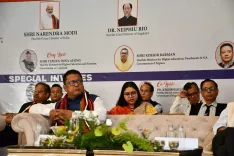
CM Tamang attends NE India's largest organic spice plant launch
Synopsis
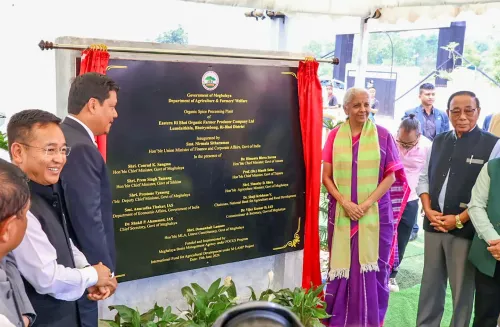
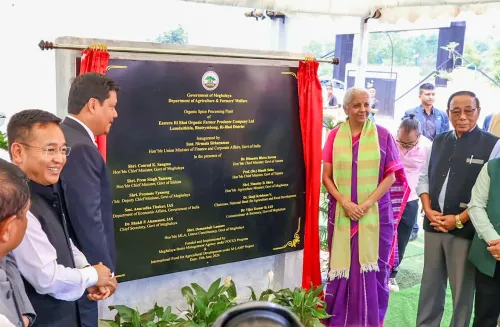
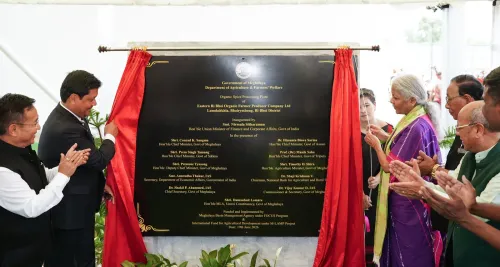
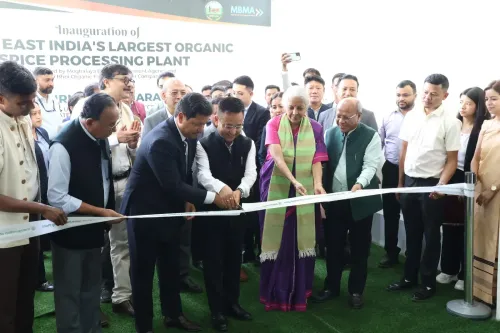
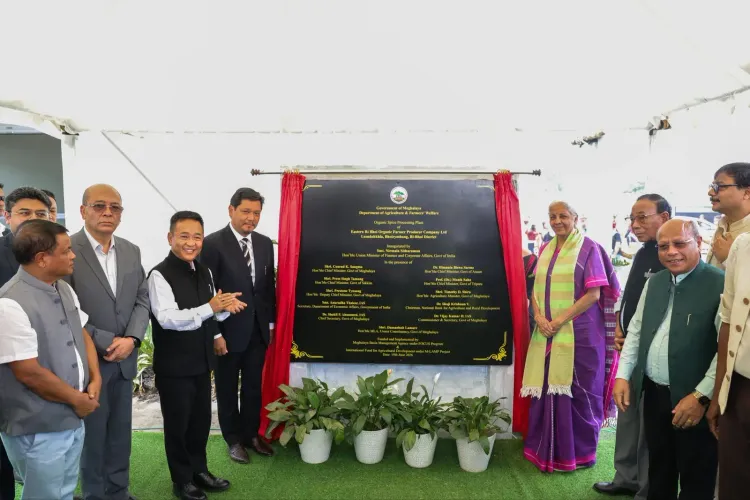
Sikkim Chief Minister Prem Singh Tamang joined Union Finance Minister Nirmala Sitharaman and northeastern chief ministers at the inauguration of the region's largest organic spice processing plant in Ri-Bhoi District, Meghalaya, marking a major step for organic value-chain development in the Northeast.
Key Takeaways
Sikkim CM Prem Singh Tamang attended the inauguration of the Organic Spice Processing Plant in Ri-Bhoi District, Meghalaya on June 19, 2026 .
The facility is described as the largest organic spice processing unit in Northeast India .
Union Finance Minister Nirmala Sitharaman presided over the event alongside chief ministers from northeastern states, including Meghalaya CM Conrad Sangma .
The plant supports the objectives of the Mission Organic Value Chain Development for North Eastern Region (MOVCDNER) , launched in 2015 .
The facility is expected to benefit organic spice farmers by enabling value addition, better pricing, and access to export markets.
The event reflects ongoing centre-state coordination on regional agricultural infrastructure in the Northeast.
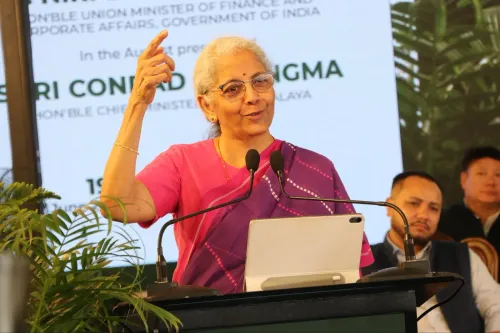
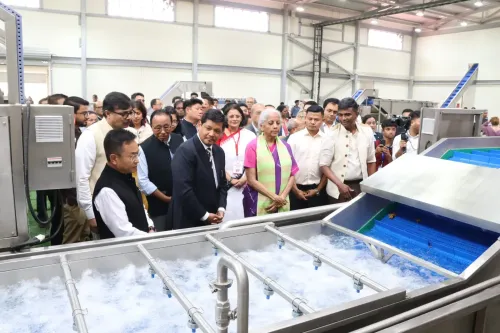
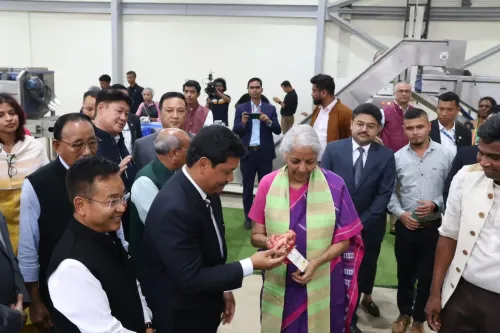
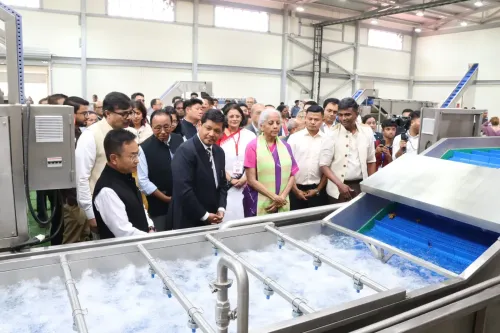
Sikkim Chief Minister Prem Singh Tamang attended the inauguration of the Organic Spice Processing Plant in Ri-Bhoi District, Meghalaya, on Friday, June 19, 2026 — a facility described as the largest of its kind in Northeast India. The event was presided over by Union Finance Minister Nirmala Sitharaman, alongside chief ministers from northeastern states and other senior dignitaries.
Context
CM Tamang shared details of the inauguration on X (formerly Twitter), noting that the plant 'marks a significant milestone in promoting organic agriculture, value addition, and sustainable economic growth across the region.' Meghalaya Chief Minister Conrad Sangma was among the other state leaders present at the event. The joint presence of the Union Finance Minister and multiple chief ministers underscores the scale of centre-state coordination behind the project.
Ri-Bhoi District, located on the border of Meghalaya and Assam, has historically been a hub for agricultural activity and is positioned as a strategic location for processing and distributing organic produce across the northeastern corridor.
Policy Backdrop
The plant aligns closely with the Mission Organic Value Chain Development for North Eastern Region (MOVCDNER), a central scheme launched in 2015 to support organic farming clusters, certification infrastructure, and value-addition facilities across the eight northeastern states. The scheme was designed to leverage the region's low chemical-input agricultural history and rich biodiversity to position it as a premium organic produce supplier for domestic and export markets.
Successive central governments have prioritised processing infrastructure in the Northeast as a means to shift farmers from primary production toward higher-margin, export-ready goods. The inauguration of a large-scale spice processing unit represents a concrete step in that long-standing policy direction, translating scheme objectives into on-ground infrastructure.
Stakeholders and Impact
The primary beneficiaries of the new facility are organic spice farmers across the northeastern region, who have historically faced limited access to processing and cold-chain infrastructure, forcing them to sell raw produce at lower prices. A dedicated processing plant is expected to enable value addition — cleaning, grading, packaging, and certification — that can unlock better prices and access to organised retail and export channels.
Spice value-chain entrepreneurs and agri-logistics operators in the region are also expected to benefit from the facility, which could anchor a broader cluster of ancillary businesses. For Sikkim — already recognised for its fully organic state status — proximity to such infrastructure in a neighbouring state offers additional avenues for cross-border value-chain collaboration.
What's Next
Attention will now turn to whether the inauguration of this facility accelerates similar investments in other northeastern states, and whether upcoming Union Budget allocations expand funding under MOVCDNER or related agri-infrastructure schemes. State governments, including Sikkim, may announce complementary processing or logistics facilities that feed into the Ri-Bhoi plant's capacity. The participation of Finance Minister Sitharaman at the event signals that central support for northeastern organic agriculture remains a live policy priority, with potential budgetary follow-through expected in coming fiscal cycles.
Point of View
With the Finance Minister and multiple chief ministers in attendance, is a deliberate signal of the Centre's continued investment in northeastern agricultural infrastructure ahead of what could be a politically sensitive budget cycle. For CM Tamang, participation reinforces Sikkim's identity as a fully organic state and positions it as a natural partner in any regional value-chain expansion. The joint optics of the event also suggest that the ruling alliance in the Northeast — where the BJP and its allies govern most states — is keen to demonstrate tangible developmental deliverables. Whether this translates into sustained budgetary commitment under MOVCDNER or remains a one-off inauguration milestone will be the real test of policy intent.
NationPress
19 Sept 2026
Frequently Asked Questions
What is the Organic Spice Processing Plant in Ri-Bhoi District?
It is a newly inaugurated facility in Ri-Bhoi District, Meghalaya , described as the largest organic spice processing unit in Northeast India , designed to support value addition and export-readiness for organic spices grown in the region.
Who inaugurated the organic spice plant in Meghalaya?
Union Finance Minister Nirmala Sitharaman presided over the inauguration, which was also attended by Sikkim Chief Minister Prem Singh Tamang , Meghalaya Chief Minister Conrad Sangma , and other northeastern state chief ministers.
What is MOVCDNER and how does it relate to this plant?
The Mission Organic Value Chain Development for North Eastern Region (MOVCDNER) is a central government scheme launched in 2015 to promote organic farming clusters, certification, and processing infrastructure across the eight northeastern states. The Ri-Bhoi plant aligns with its objectives of building value-addition capacity.
Why is Sikkim CM Prem Singh Tamang attending events in Meghalaya?
CM Tamang attended as part of a broader gathering of northeastern chief ministers for a regionally significant inauguration. Sikkim, as India's first fully organic state, has a direct interest in regional organic agriculture infrastructure that could support cross-border value-chain collaboration.
How will the organic spice processing plant benefit farmers in Northeast India?
The plant is expected to enable organic spice farmers to access processing, grading, packaging, and certification services locally, allowing them to earn higher prices through value addition and gain entry into organised retail and export markets.