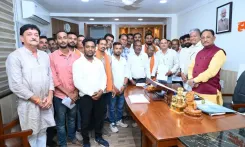
Gadkari inspects Delhi-Mumbai Expressway packages in MP, Gujarat
Synopsis
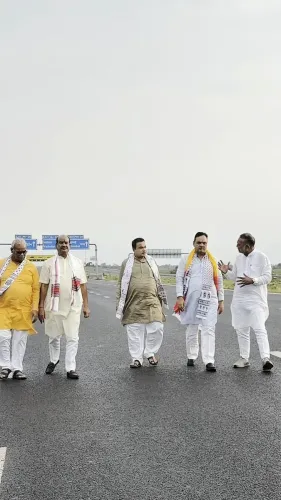
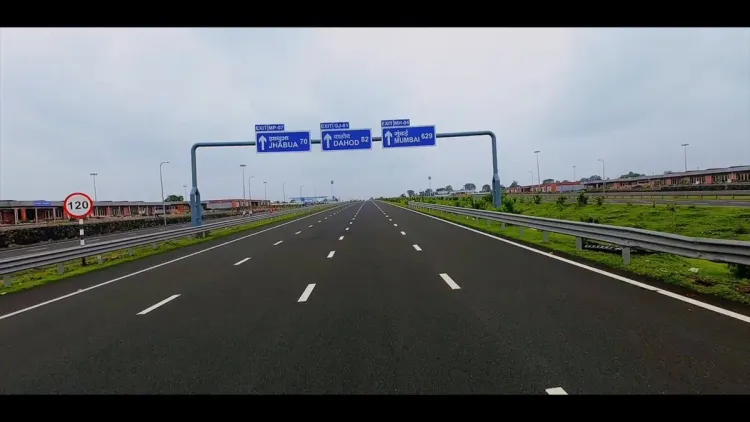
Union Minister Nitin Gadkari completed a two-day inspection of Delhi-Mumbai Expressway packages 18–31 in Madhya Pradesh and Gujarat on 10 July 2026, covering 357 km to evaluate construction quality, road safety, interchanges, and wayside amenities under Bharatmala and PM Gati Shakti.
Key Takeaways
Gadkari conducted the second day of a two-day inspection of the Delhi-Mumbai Expressway on 10 July 2026 .
The review covered packages 18 to 31 across Madhya Pradesh and Gujarat , spanning approximately 357 kilometres .
Inspection began at wayside amenity facilities in Mandsaur, Madhya Pradesh .
Focus areas included construction quality, road safety, interchanges, and roadside amenities for travellers.
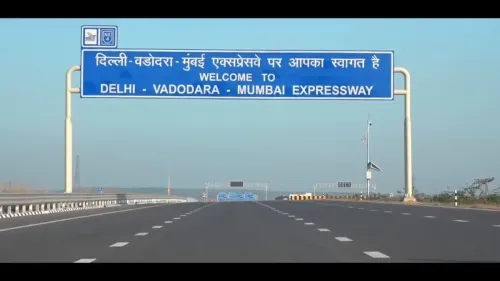
The expressway is a 1,350-km Bharatmala corridor targeting a Delhi-Mumbai travel time of 12–14 hours .
Remaining packages are targeted for completion by 2026–27 , with sectional openings expected to follow.
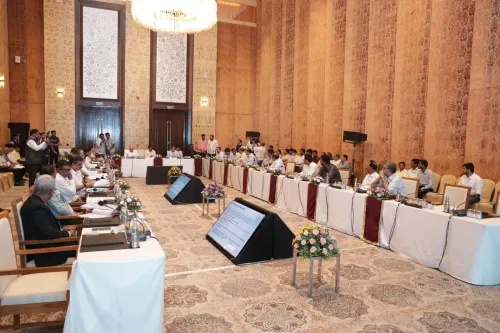
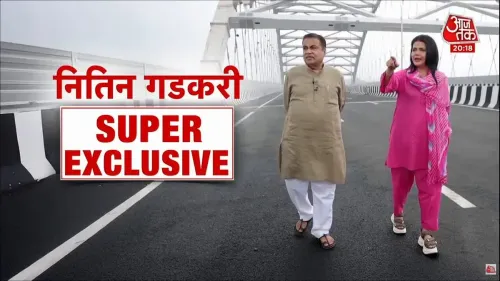
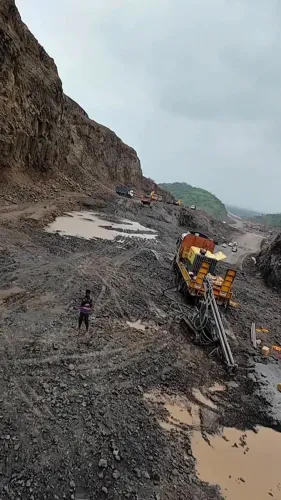
Union Road Transport and Highways Minister Nitin Gadkari on Thursday, 10 July 2026, completed the second and final day of a two-day ground inspection of the Delhi-Mumbai Expressway, covering active construction stretches across Madhya Pradesh and Gujarat. Beginning at wayside amenity facilities in Mandsaur, Madhya Pradesh, the minister reviewed packages 18 through 31 of the corridor before moving into Gujarat, covering a total distance of approximately 357 kilometres.
Context
Gadkari shared details of the inspection on X, stating that he conducted a 'प्रत्यक्ष निरीक्षण' (direct inspection) of key sections of the Delhi-Mumbai Expressway in Madhya Pradesh and Gujarat, reviewing development works with officials and assessing 'quality and time-bound progress of the project.' The two-day tour covered construction quality, road safety infrastructure, interchanges, and roadside amenities being developed for travellers.
The minister's inspection spanned packages 18 to 31, which represent the central and western segments of the corridor passing through Madhya Pradesh and into Gujarat. Wayside amenities — rest areas, fuel stations, food courts, and emergency services — were among the specific facilities assessed during the visit.
Policy Backdrop
The Delhi-Mumbai Expressway is a 1,350-kilometre access-controlled greenfield corridor being built under the Bharatmala Pariyojana, approved in 2017, with the stated goal of reducing travel time between the two cities to 12–14 hours. The project is a flagship component of India's national highway expansion drive and is aligned with the PM Gati Shakti National Master Plan, launched in October 2021, which integrates road, rail, and logistics infrastructure.
The first phase of the corridor — the Delhi-Vadodara Expressway — spans approximately 500 kilometres across Haryana, Rajasthan, and Gujarat. The broader National Infrastructure Pipeline 2020–2025 allocated funds for over 5,000 kilometres of new expressways, of which the Delhi-Mumbai corridor is among the most significant by length and economic impact.
Stakeholders and Impact
The expressway is expected to significantly benefit the logistics sector by cutting freight transit time between northern and western India, reducing vehicle operating costs, and easing pressure on older national highways. Contractors and construction agencies operating across packages in Madhya Pradesh and Gujarat were briefed by the minister on quality benchmarks and delivery timelines.
Roadside amenity infrastructure, a focus of the inspection, is a key user-experience element under the Gati Shakti framework, designed to make long-distance highway travel safer and more convenient for both commercial and private vehicle users. Road safety audits and interchange design were also part of the assessment during the 357-kilometre review journey.
What's Next
Remaining packages of the Delhi-Mumbai Expressway are expected to be targeted for completion by 2026–27, with sectional openings likely to be announced as individual stretches are certified ready. Gadkari's on-ground review follows a pattern seen with other corridors — including Delhi-Dehradun and Amritsar-Jamnagar — where ministerial site visits have preceded phased inauguration announcements. The completion of the full corridor would mark a defining milestone for India's greenfield expressway programme under Bharatmala.
Point of View
A pressure tactic the minister has deployed repeatedly ahead of sectional inaugurations on other Bharatmala routes. Covering 357 km personally and reviewing packages 18 to 31 sends a clear message to NHAI and contractors that timelines and quality standards are non-negotiable. The emphasis on wayside amenities alongside structural quality reflects the government's shift from pure kilometre targets to user-experience metrics under the Gati Shakti framework. With a 2026–27 completion window in view, the visit also sets the stage for potential high-profile inauguration announcements on one of India's most strategically important greenfield corridors.
NationPress
10 Jul 2026
Frequently Asked Questions
What is the Delhi-Mumbai Expressway and when will it be completed?
The Delhi-Mumbai Expressway is a 1,350-km access-controlled greenfield highway under Bharatmala Pariyojana, designed to cut travel time between the two cities to 12–14 hours. Remaining packages are targeted for completion by 2026–27, subject to official NHAI updates.
Which packages of the Delhi-Mumbai Expressway did Gadkari inspect in July 2026?
Gadkari inspected packages 18 through 31 of the Delhi-Mumbai Expressway on 10 July 2026, covering stretches in Madhya Pradesh and Gujarat over approximately 357 kilometres.
What is the Delhi-Vadodara Expressway?
The Delhi-Vadodara Expressway is the first phase of the Delhi-Mumbai corridor, spanning approximately 500 km across Haryana, Rajasthan, and Gujarat, and forms the initial operational section of the larger 1,350-km route.
What is PM Gati Shakti and how does it relate to the Delhi-Mumbai Expressway?
PM Gati Shakti is a national master plan launched in October 2021 that integrates road, rail, and logistics infrastructure for multimodal connectivity. The Delhi-Mumbai Expressway is a flagship project aligned with this framework, with wayside amenities and interchange design assessed under its quality standards.
What did Gadkari assess during the Delhi-Mumbai Expressway inspection?
During the two-day inspection, Gadkari assessed construction quality, road safety infrastructure, interchange design, and wayside amenities such as rest areas and traveller facilities being developed along packages 18 to 31 in Madhya Pradesh and Gujarat.