CM Sai Marks One Year of Didi Ke Goth Women's Programme
Synopsis
Chhattisgarh CM Vishnu Deo Sai on 10 July 2026 celebrated one year of Didi Ke Goth, a state programme empowering rural women through self-help group gatherings under the Bihan livelihood network, calling it a picture of self-reliant Chhattisgarh.
Key Takeaways
Didi Ke Goth completed one year as a Chhattisgarh government programme facilitating community gatherings of women's self-help groups.
CM Vishnu Deo Sai shared a video from the anniversary event on 10 July 2026 , calling the moments 'unforgettable.' The programme operates alongside Bihan , the state's brand for its women's rural livelihood and self-help group movement.
Chhattisgarh's self-help group ecosystem is rooted in the National Rural Livelihoods Mission framework adopted from 2011 .
The anniversary marks a public showcase of women's empowerment as a governance priority under the Sai administration , which took office in December 2023 .
Future indicators to watch include federation coverage, credit-linkage data and any budget expansion of Didi Ke Goth activities.
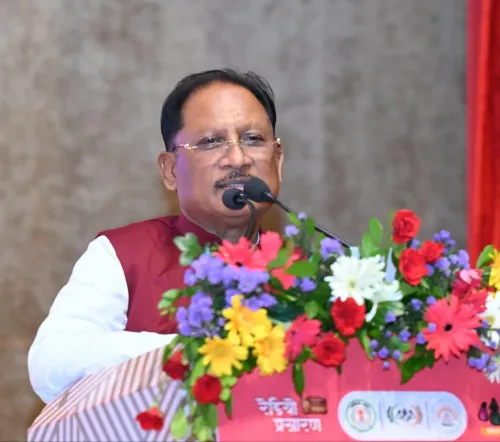
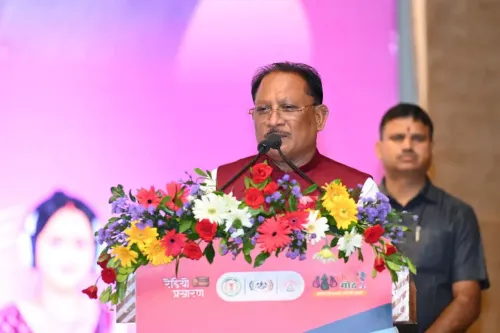
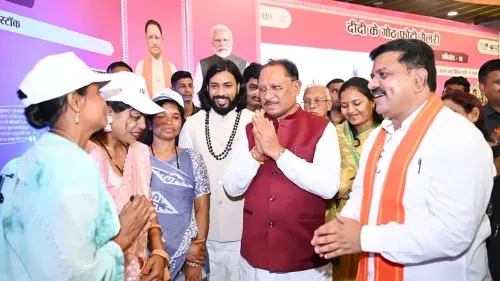
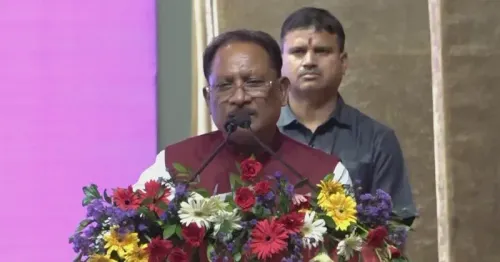
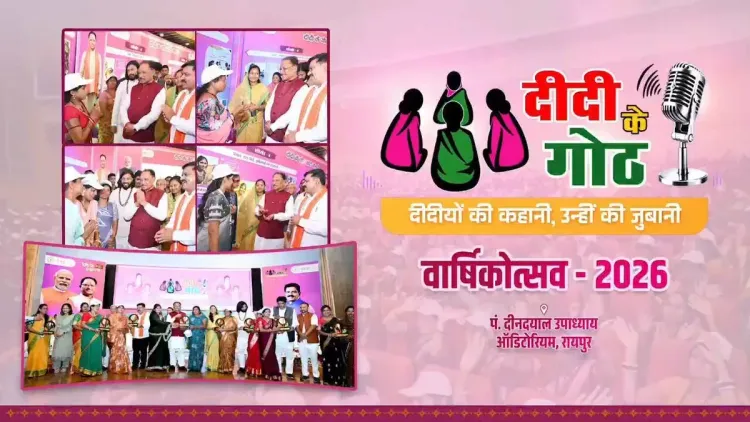
Chhattisgarh Chief Minister Vishnu Deo Sai on Friday, 10 July 2026 shared highlights from a celebration marking the completion of one successful year of 'Didi Ke Goth', a state programme designed to empower rural women through structured self-help group gatherings. The Chief Minister posted a video capturing what he called 'unforgettable moments' from the event, describing the occasion as a 'powerful picture of self-reliant Chhattisgarh.'
Context
In his post, CM Sai wrote: 'दीदी के गोठ' के सफल एक वर्ष पूर्ण होने पर आयोजित कार्यक्रम के कुछ अविस्मरणीय पल... ['Some unforgettable moments from the event held on the completion of one successful year of Didi Ke Goth...'], adding that the occasion reflected the 'confidence, dignity and empowered image of an atmanirbhar [self-reliant] Chhattisgarh' through the Bihan women's self-help group network. The post was accompanied by a video documenting the anniversary event.
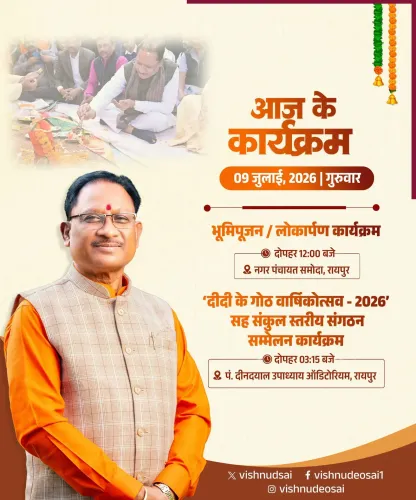
Didi Ke Goth — literally 'meeting at the sister's home' — is a Chhattisgarh government initiative that facilitates periodic community gatherings of women's self-help group members to build confidence, discuss local issues and reinforce economic solidarity. It operates alongside Bihan, the state's brand for its women's rural livelihood movement.
Policy Backdrop
Chhattisgarh's women's self-help group ecosystem is rooted in the National Rural Livelihoods Mission framework adopted from 2011 onwards, which sought to federate and financially support rural women's collectives across India. The state subsequently developed its own branded extensions — including Bihan — to deepen outreach and layer in skill development, thrift and credit-linkage activities.
CM Sai, who assumed office in December 2023, has positioned women-centric welfare and livelihood programmes as a central pillar of his administration's governance agenda. Marking the one-year milestone of Didi Ke Goth publicly signals the government's intent to showcase measurable delivery on that commitment.
Stakeholders and Impact
The primary beneficiaries of Didi Ke Goth and Bihan are rural women across Chhattisgarh, a central Indian state with a large rural population where women's participation in formal economic structures has historically been limited. Self-help group platforms of this kind typically combine savings mobilisation, access to institutional credit and peer-support mechanisms that extend beyond purely financial outcomes.
Multiple Indian states have scaled similar women's self-help group platforms under both central and state schemes, and anniversary events such as this one have become a recognisable mode of publicising governance delivery. For the women involved in the Bihan network, the gatherings under Didi Ke Goth serve as a forum for collective decision-making and social confidence-building in addition to livelihood support.
What's Next
Attention will now turn to whether the Chhattisgarh government follows the anniversary celebration with concrete disclosures on programme coverage — including the number of self-help groups federated, credit-linkage figures and the geographic spread of Didi Ke Goth gatherings. Any proposed expansion of the initiative or additional budget allocation in upcoming state fiscal planning will be a key indicator of the programme's trajectory.
For rural women enrolled in the Bihan network, the coming months will test whether the momentum generated by the anniversary translates into deeper institutional support and wider access to formal financial services across the state.
Point of View
Originally seeded under central rural livelihood policy, as visible proof of ground-level delivery. By invoking 'atmanirbhar Chhattisgarh,' Sai explicitly ties the state scheme to the broader Atmanirbhar Bharat narrative, extending the Centre's branding into state-level welfare communication. The absence of hard data in the post, however, means the political messaging currently outpaces verifiable programme outcomes — a gap that accountability watchers will be monitoring.
NationPress
10 Jul 2026
Frequently Asked Questions
What is Didi Ke Goth in Chhattisgarh?
Didi Ke Goth is a Chhattisgarh government programme that organises regular community meetings of women's self-help group members to build confidence, address local issues and strengthen economic solidarity among rural women.
What is the Bihan scheme in Chhattisgarh?
Bihan is the Chhattisgarh state government's brand for its women's rural livelihood and self-help group movement, promoting thrift, credit access and skill activities among rural women, rooted in the National Rural Livelihoods Mission framework.
Who is Vishnu Deo Sai?
Vishnu Deo Sai is the Chief Minister of Chhattisgarh and a BJP leader who assumed office in December 2023. He has positioned women-centric welfare and livelihood schemes as a key focus of his administration.
Why did CM Sai celebrate Didi Ke Goth's first anniversary?
CM Sai marked the occasion to highlight one year of successful implementation of the programme, sharing event visuals and describing it as a reflection of women's confidence, dignity and the vision of a self-reliant Chhattisgarh.
How does Didi Ke Goth relate to the National Rural Livelihoods Mission?
Chhattisgarh adopted the National Rural Livelihoods Mission framework from 2011 onwards to support women's self-help groups, and subsequently developed state-branded extensions such as Bihan and Didi Ke Goth to deepen that outreach.