White House Says Trump Is Stopping Terrorists at the Border
Synopsis
The White House declared on July 9, 2026, that rampant illegal immigration had allowed suspected terrorists into the United States unchecked, and that President Trump's administration is now restoring law and order by stopping suspected terrorists at the border.
Key Takeaways
The White House posted on July 9, 2026 , asserting that illegal immigration enabled suspected terrorists to enter the United States unvetted.
President Trump is credited in the post with restoring 'law and order' and stopping suspected terrorists 'in their tracks.' The Trump administration introduced border enforcement measures from January 2017 , including executive orders on vetting, wall construction, and travel restrictions.
The Migrant Protection Protocols (Remain in Mexico) , launched in 2019 , required asylum seekers to wait in Mexico during U.S. hearings.
DHS quarterly reports on terrorism watchlist encounters remain the primary official data source to assess enforcement claims.
Any new executive actions on expedited removal or humanitarian parole will signal the next phase of the administration's border policy.
The White House on Thursday, July 9, 2026, posted on X that unchecked illegal immigration had allowed suspected terrorists to enter the United States unvetted, and that President Donald Trump has since moved to restore law and order at the border.
The official White House account stated: 'Rampant illegal immigration allowed terrorists to enter this country unchecked and unvetted. Under President Trump, law and order is being restored and suspected terrorists are being stopped in their tracks.'
Context
The post frames the current administration's immigration posture as a direct corrective to what it characterises as a period of lax enforcement. The claim centres on two linked arguments: that open or poorly regulated immigration flows created a terrorism vulnerability, and that the Trump administration has since closed that gap through enforcement action.
The U.S. southern border has been the central theatre of this policy debate for years. Federal data on terrorism watchlist encounters at ports of entry — tracked by the Department of Homeland Security (DHS) — has been cited repeatedly in political arguments on both sides of the immigration debate.
Policy Backdrop
The Trump administration's immigration enforcement architecture dates to its first term. In January 2017, an executive order directed stricter vetting and initiated steps toward border wall construction. That same year, travel restrictions were imposed on nationals from several countries to address what the administration described as vetting gaps.
The Migrant Protection Protocols — commonly called 'Remain in Mexico' — were introduced in 2019, requiring asylum seekers to wait in Mexico while their U.S. immigration hearings proceeded. These measures collectively reflected a doctrine that treated unregulated border crossings as a national-security issue, not merely an immigration-management one.
The broader pattern of linking illegal immigration to terrorism risk has been a consistent thread in Trump-era federal policy, including expanded use of terrorism watchlists and heightened interior enforcement priorities.
Stakeholders and Impact
Border Patrol agents and DHS enforcement personnel are the primary operational actors named in this policy space. For them, the post signals continued executive-level backing for aggressive enforcement postures at and between ports of entry.
For migrants and asylum seekers, stricter vetting and expanded expedited removal procedures translate into faster deportation proceedings and fewer opportunities to present legal claims. Civil liberties groups have historically contested the legal basis for several of these measures, though no specific litigation is referenced in the current post.
For India, which has a significant diaspora community in the United States and a large pool of legal visa applicants, any tightening of entry vetting procedures has downstream effects on processing times and documentation requirements for legitimate travellers and immigrants.
What's Next
DHS quarterly reports on terrorism watchlist encounters will be a key indicator of whether enforcement claims in the post are borne out by official data. Analysts will also watch for new executive actions expanding expedited removal authority or tightening humanitarian parole provisions.
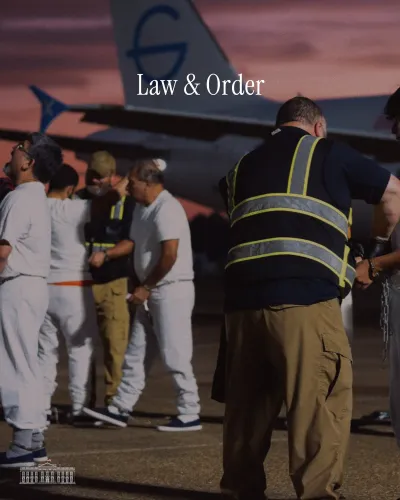
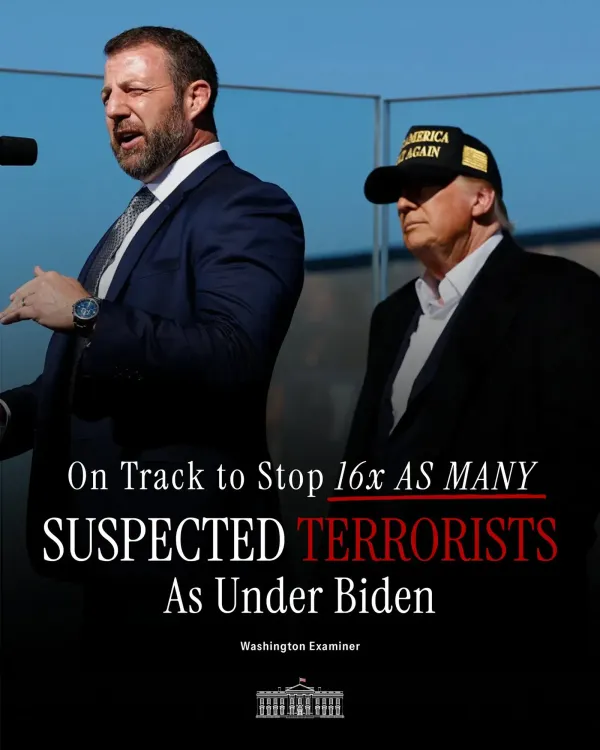
The post, accompanied by an image, suggests the White House is actively building a public narrative around border security ahead of any forthcoming policy announcements. Whether specific legislative or executive measures follow will determine the operational weight behind the messaging.
Point of View
' the post implicitly assigns blame to predecessor administrations without naming them. The choice to amplify this message in mid-2026 suggests the administration is reinforcing its core voter coalition on an issue where it holds a consistent polling advantage. For observers tracking U.S. policy, the key question is whether the rhetoric is accompanied by new enforcement instruments or is primarily serving a political communications function ahead of a domestic milestone.
NationPress
8 Oct 2026
Frequently Asked Questions
What did the White House say about illegal immigration and terrorism?
The White House posted on July 9, 2026, that 'rampant illegal immigration' had allowed terrorists to enter the United States 'unchecked and unvetted,' and that President Trump is now stopping suspected terrorists at the border.
What border security measures has Trump introduced?
The Trump administration has implemented executive orders on vetting and border wall construction since January 2017, travel restrictions on nationals from several countries, and the Migrant Protection Protocols requiring asylum seekers to remain in Mexico during hearings.
How does the US track terrorists attempting to cross the border?
The Department of Homeland Security maintains terrorism watchlists and tracks encounters at ports of entry, publishing quarterly reports that serve as the primary official data on suspected-terrorist border encounters.
How does US immigration enforcement affect Indians?
Stricter vetting and expedited removal procedures can affect processing times and documentation requirements for Indian visa applicants and immigrants, given the large Indian diaspora and legal immigration pipeline to the United States.
What happens next on US border security policy?
Analysts are watching for DHS quarterly enforcement data and potential new executive actions on expedited removal or humanitarian parole that would indicate whether the White House messaging is followed by concrete policy steps.