CM Bihar Orders Stronger Village-Level Farm Extension Services
Synopsis
Bihar's Chief Minister has directed that agricultural extension services be strengthened to the village level, with farmers to receive timely technical guidance and training on modern farming techniques. The move builds on Bihar's Agriculture Road Map legacy and national extension missions, targeting last-mile delivery for the state's predominantly smallholder farming communities ahead of kharif 2026.
Key Takeaways
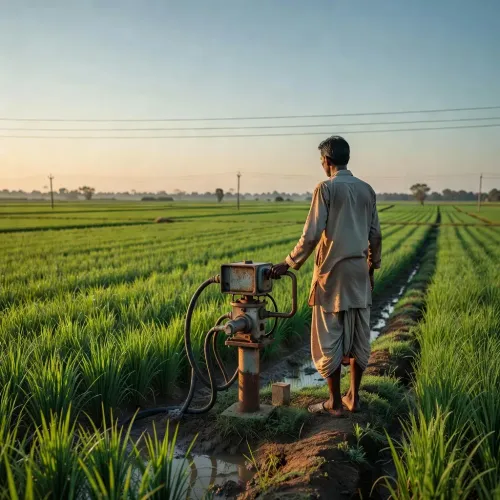
The Chief Minister of Bihar has directed that agricultural extension services be strengthened up to the village (gram) level .
Farmers are to receive timely technical guidance, training, and essential information to adopt modern farming techniques.
Over 70 percent of Bihar's workforce depends on agriculture, making last-mile extension a high-stakes policy priority.
The directive builds on the ATMA scheme (2005) and Bihar's Agriculture Road Map (2008) , both aimed at decentralising farm advisory services.
The statement comes ahead of the kharif 2026 sowing season, when agronomic advice has the most direct impact on crop outcomes.
Future indicators to watch include Bihar's agriculture budget for 2026-27 and any new digital or panchayat-level extension pilots.
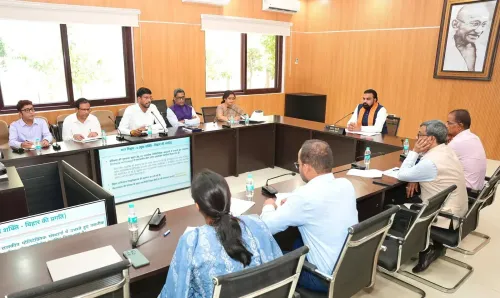
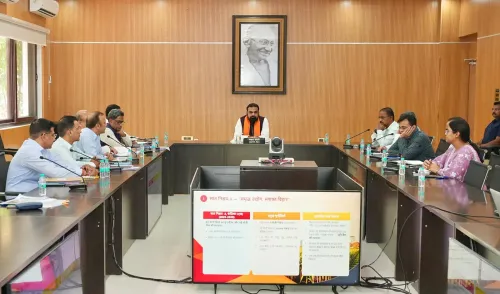
The Chief Minister's Office of Bihar shared a directive on Tuesday, 23 June 2026, stating that the Chief Minister has called for strengthening agricultural extension services down to the village level and ensuring farmers receive timely technical guidance, training, and essential information to maximise the benefits of modern farming techniques.
Context
The post, a reply on the official CMO Bihar account, quotes the Chief Minister as saying: 'gram star tak krishi vistar sevaon ko aur sudridh kiya jae' — 'agricultural extension services should be further strengthened up to the village level.' The directive also calls for ensuring that farmers are provided with 'timely technical guidance, training, and necessary information' so they can derive maximum benefit from modern agricultural technologies.
The statement comes ahead of the kharif 2026 sowing season, a critical window when access to agronomic advice can directly influence crop choices, input use, and yields across Bihar's predominantly smallholder farming communities.
Policy Backdrop
Bihar has a long record of state-led agricultural reform. The state launched its first Agriculture Road Map in 2008, targeting higher productivity through technology adoption and input support. At the national level, the Agricultural Technology Management Agency (ATMA) — launched in 2005 — was designed precisely to decentralise extension services to district and block levels, bringing technical advice closer to farmers.
The National Mission on Agricultural Extension and Technology, approved in 2014, further sought to converge extension activities across states, integrating farm information and technology dissemination. Bihar's renewed emphasis on village-level delivery reflects an effort to push these frameworks all the way to the gram panchayat, closing the last-mile gap that has historically limited adoption of modern inputs among small and marginal farmers.
With over 70 percent of Bihar's workforce engaged in agriculture, the productivity stakes of effective extension outreach are especially high. The state has consistently lagged behind the national average on farm yields for several key crops, making technology transfer a recurring policy priority.
Stakeholders and Impact
The primary beneficiaries of a strengthened extension network would be small and marginal farmers across Bihar's approximately 38 districts, who often lack independent access to agronomic expertise or market information. Village-level extension workers — including those deployed under ATMA and state agriculture department mandates — would be central to executing this directive.
Improved extension reach can translate into higher adoption of certified seeds, balanced fertiliser use, pest management advisories, and awareness of government schemes — all of which have measurable effects on farm income. For a state where rural poverty remains a structural challenge, last-mile technical support is a development lever with broad socioeconomic implications.
What's Next
Attention will now turn to Bihar's agriculture budget allocations for 2026-27 and whether the Chief Minister's directive is followed by concrete announcements — such as new gram-panchayat-level staffing, digital extension pilots, or enhanced funding for ATMA-linked programmes. The kharif season provides an immediate operational test of how quickly the state can translate the directive into on-ground advisory support for farmers preparing to sow.
If the state moves to deploy digital or mobile-based extension tools alongside traditional field workers, it could position Bihar as a model for last-mile agricultural technology delivery in eastern India — a region that has historically trailed western and southern states in farm productivity.
Point of View
When advisory gaps translate most directly into lost productivity. The real test will be whether the directive is backed by budget lines and staffing decisions, or remains an aspirational instruction. Seen in the broader eastern India context, Bihar's ability to close the extension gap could reshape the region's agricultural productivity story over the next decade.
NationPress
22 Sept 2026
Frequently Asked Questions
What did Bihar CM say about agricultural extension services?
The Chief Minister of Bihar directed that agricultural extension services be strengthened down to the village level, with farmers receiving timely technical guidance, training, and information to maximise the benefits of modern farming techniques.
What is the ATMA scheme and how does it relate to Bihar?
The Agricultural Technology Management Agency (ATMA) is a national scheme launched in 2005 to decentralise farm extension services to district and block levels. Bihar has implemented ATMA as part of its broader effort to deliver technical advice to smallholder farmers.
What is Bihar's Agriculture Road Map?
Bihar released its first Agriculture Road Map in 2008, a state-level policy document targeting higher agricultural growth through technology adoption, improved inputs, and stronger extension support for farmers.
Why is village-level farm extension important in Bihar?
Over 70 percent of Bihar's workforce is engaged in agriculture, and most are small or marginal farmers with limited access to agronomic expertise. Village-level extension workers bridge this gap by delivering timely advice on seeds, fertilisers, pest management, and government schemes.
What should Bihar farmers expect ahead of kharif 2026?
Following the Chief Minister's directive, farmers may see increased outreach from village-level extension workers and potentially new digital advisory tools. Concrete steps will become clearer with Bihar's agriculture budget announcements for 2026-27.