Bihar CM Office Directs Time-Bound Sugarcane Scheme Rollout
Synopsis
The Chief Minister's Office of Bihar on 22 June 2026 directed state officials to implement all sugarcane industry schemes in a time-bound manner, with farmer welfare and holistic sector development set as the top priority. The move reinforces Bihar's long-standing policy focus on agro-industrial revival.
Key Takeaways
The Chief Minister's Office of Bihar issued a directive on 22 June 2026 for time-bound implementation of all sugarcane sector schemes.
Officials were instructed to treat the overall development of the sugarcane industry and farmer welfare as the highest priority.
Sugarcane farmers and sugar mills across Bihar are the primary stakeholders expected to benefit from the directive.
The instruction mirrors earlier Bihar government efforts to revive closed sugar mills and ensure timely cane payments to farmers.
The directive fits within Bihar's broader rural development framework linking farmer income to agro-processing industry growth.
Progress on scheme implementation and possible fresh allocations in the next state budget or assembly session will be closely watched.
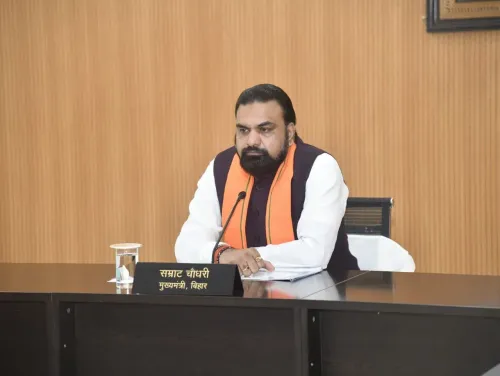
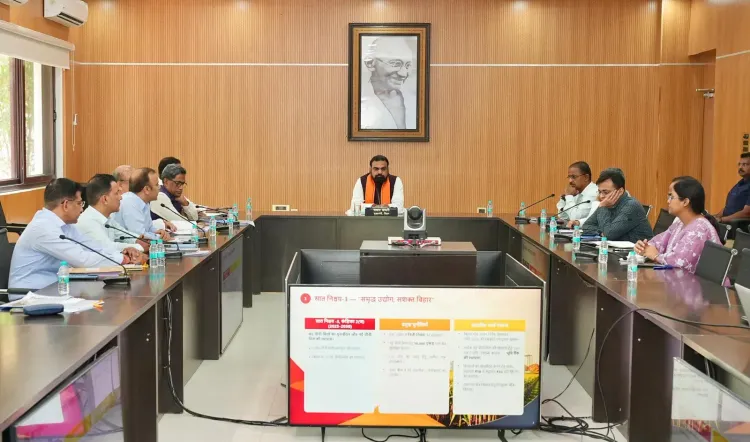
The Chief Minister's Office of Bihar on Monday, 22 June 2026 directed state officials to ensure time-bound implementation of all schemes related to the sugarcane industry, placing the holistic development of the sector and the welfare of farmers as the highest priority.
The directive, shared via the official CMO account, stated that officers have been instructed — 'गन्ना उद्योग के समग्र विकास एवं किसानों के हितों को सर्वोच्च प्राथमिकता देते हुए सभी योजनाओं का समयबद्ध क्रियान्वयन सुनिश्चित किया जाए' — ('all schemes must be implemented in a time-bound manner, giving the highest priority to the overall development of the sugarcane industry and the interests of farmers').
Context
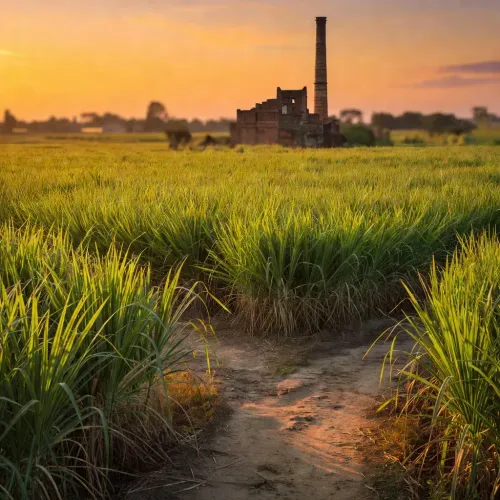
Sugarcane is one of Bihar's most significant cash crops, cultivated extensively across districts in the northern and central plains. The crop sustains the livelihoods of a large section of the state's farming population and feeds directly into the sugar milling and ethanol production ecosystem. Any policy directive from the Chief Minister's Office on this sector carries immediate administrative weight across district-level departments.
The instruction to prioritise 'holistic development' of the sugarcane industry signals that the government is treating the sector not merely as an agricultural concern but as an agro-industrial one, encompassing processing, pricing, and market linkage.
Policy Backdrop
The Government of Bihar has maintained a consistent policy focus on the sugarcane sector over the past decade. Efforts in the 2010s centred on reviving closed or underperforming sugar mills and ensuring that farmers received timely payments for their cane — a persistent grievance in several cane-growing states. Chief Minister Nitish Kumar has repeatedly identified agricultural reforms and rural economy support as pillars of the state's development agenda.
The current directive aligns with the broader national push around ethanol blending targets and fair price mechanisms for cane, where state-level execution is critical to meeting central government goals. Time-bound implementation mandates have historically been used by the Bihar administration to enforce accountability at the district and block levels.
Stakeholders and Impact
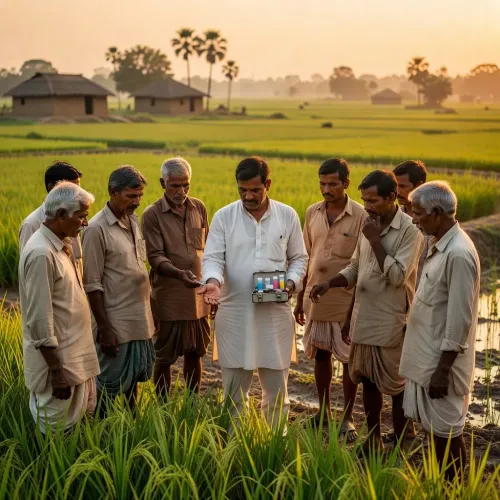
The primary beneficiaries of effective scheme implementation would be sugarcane farmers across Bihar's cane belt, who depend on predictable procurement, fair pricing, and access to government support programmes for inputs and credit. Sugar mills — both cooperative and private — stand to gain from a more organised supply chain and potentially improved state support for modernisation.
Timely rollout of schemes also has downstream effects on rural employment, as the sugar milling sector generates seasonal and semi-permanent jobs in processing and logistics. Delays or poor implementation, by contrast, have historically led to cane payment arrears and farmer distress in the region.
What's Next
The directive sets an expectation of accountability that will likely be tested in the coming months as implementation progress is reviewed. Observers will watch for the release of progress reports on specific sugarcane schemes, any fresh budgetary allocations in the next state assembly session, and whether district-level officers are formally evaluated against the time-bound targets now mandated by the CMO. The instruction also raises the possibility of updated policy announcements as Bihar aligns its agro-industrial strategy with evolving central frameworks on ethanol and agricultural value chains.
Point of View
Who has built much of his political capital on visible rural development outcomes, such instructions serve a dual purpose: administrative accountability and a public affirmation of pro-farmer credentials. The emphasis on 'holistic development' suggests the government is trying to move beyond reactive firefighting — such as clearing payment arrears — toward a more structural integration of sugarcane farming with processing and value addition. If followed through, this could position Bihar more competitively within the national ethanol blending programme, which increasingly depends on reliable state-level cane supply chains.
NationPress
21 Sept 2026
Frequently Asked Questions
What did the Bihar CM Office direct regarding sugarcane schemes?
The Chief Minister's Office of Bihar directed state officials on 22 June 2026 to ensure time-bound implementation of all schemes related to the sugarcane industry, with farmer welfare and holistic sector development as the top priority.
Why is sugarcane important to Bihar's economy?
Sugarcane is one of Bihar's major cash crops, cultivated across the northern and central plains. It supports the livelihoods of a large number of farmers and feeds into the sugar milling and ethanol production sectors, making it a key pillar of the state's rural economy.
What is the history of Bihar's sugarcane policy?
Bihar has pursued sugarcane sector reforms since at least the 2010s, focusing on reviving closed sugar mills and ensuring timely payments to cane farmers. The current directive continues this policy line with an emphasis on structured, time-bound scheme execution.
Who benefits from Bihar's sugarcane scheme implementation?
The primary beneficiaries are sugarcane farmers who depend on government schemes for procurement support, fair pricing, and input subsidies. Sugar mills — both cooperative and private — also stand to gain from a more organised supply chain and potential state support for modernisation.
What should we watch for next regarding Bihar's sugarcane policy?
Key things to monitor include the release of implementation progress reports on sugarcane schemes, any fresh budgetary allocations in the next state assembly session, and whether Bihar announces updated policies aligned with central government ethanol blending targets.