CM Nitish Orders 12-Hour Farm Power Supply via Agri Feeders
Synopsis
Chief Minister Nitish Kumar has directed that all Bihar farmers receive electricity through dedicated agriculture feeders from 6 a.m. to 6 p.m. daily. The order, issued at a review meeting on 9 July 2026, aims to cut irrigation costs and improve crop-cycle planning across the agrarian state.
Key Takeaways
CM Nitish Kumar directed guaranteed electricity supply to farmers through agriculture feeders from 6 a.m. to 6 p.m. daily.
The directive was issued during a review meeting chaired by the Chief Minister on 9 July 2026 .
Agriculture feeders are dedicated power lines that separate farm load from domestic supply, enabling scheduled and reliable power for irrigation.
The 12-hour daytime window targets peak irrigation demand, reducing farmers' dependence on costly diesel pump sets.
Implementation will depend on the adequacy of existing feeder-separation infrastructure across Bihar's districts.
The move continues a broader national pattern of state-level power-sector reforms aimed at improving rural agricultural productivity.
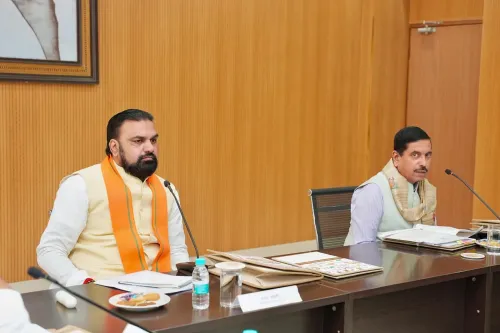
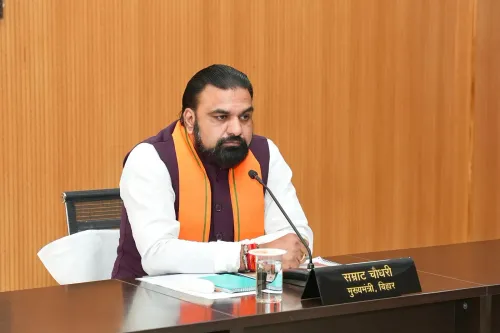
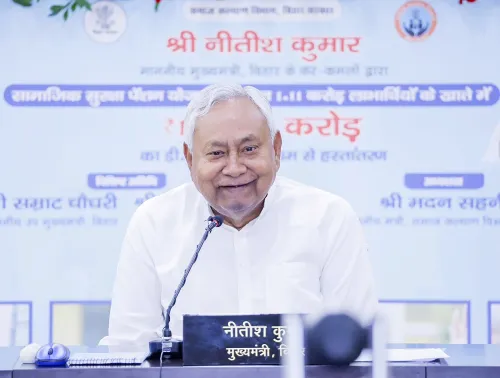
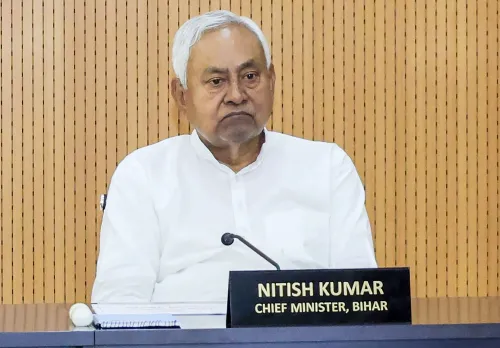
The Chief Minister's Office of Bihar announced on Thursday, 9 July 2026 that Chief Minister Nitish Kumar has directed officials to ensure uninterrupted electricity supply to all farmers through dedicated agriculture feeders, from 6 a.m. to 6 p.m. daily. The directive was issued during a high-level review meeting chaired by the Chief Minister.
The official post stated: 'बैठक के दौरान माननीय मुख्यमंत्री जी ने सभी किसानों को एग्रीकल्चर फीडर के माध्यम से प्रतिदिन सुबह 6 बजे से शाम 6 बजे तक विद्युत आपूर्ति सुनिश्चित करने का निर्देश दिया।' ['During the meeting, the honourable Chief Minister directed that electricity supply be ensured to all farmers through agriculture feeders daily from 6 a.m. to 6 p.m.']
Context
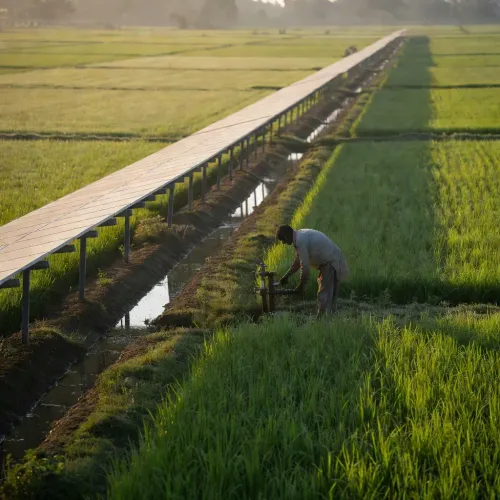
Agriculture feeders are dedicated power distribution lines that separate the electrical load of farming operations — primarily irrigation pump sets — from domestic and commercial supply lines. By isolating agricultural demand on its own circuit, grid managers can schedule reliable, uninterrupted power blocks for farmers without affecting household supply. The 12-hour daytime window aligns with peak irrigation needs during the crop-growing season.
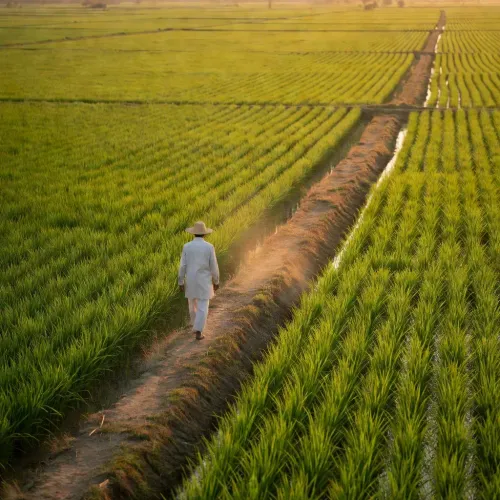
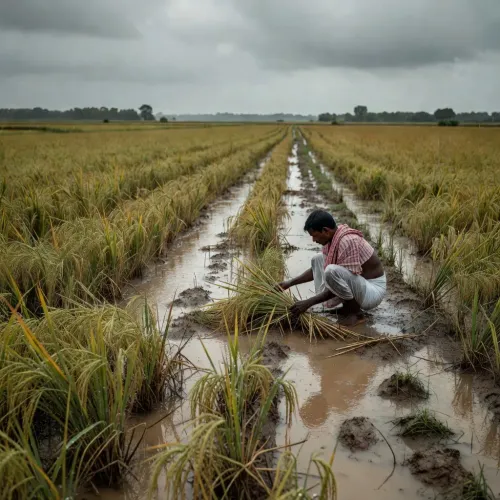
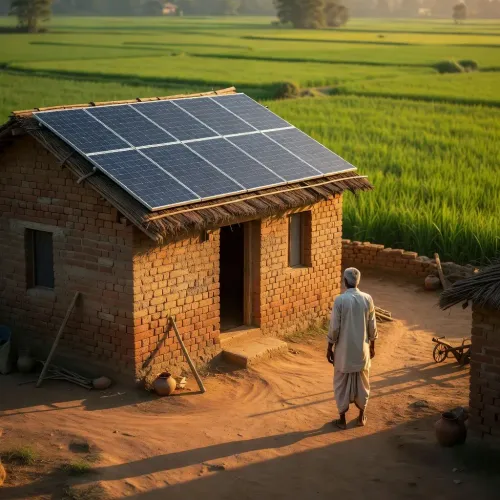
Bihar is a predominantly agrarian state where a large share of cultivated land depends on groundwater irrigation. Erratic power supply has historically forced farmers to rely on expensive diesel pump sets, raising input costs and cutting into farm incomes.
Policy Backdrop
Across India, states have progressively separated agricultural feeders from domestic lines as part of broader power-sector reforms aimed at managing grid load and reducing transmission losses. The approach has demonstrated measurable gains in cropping intensity and equipment longevity in states that have implemented it systematically. Bihar's directive follows this established national pattern of rural electricity reform.
Chief Minister Nitish Kumar has over successive terms placed rural infrastructure — including roads, water supply, and electricity access — at the centre of his administration's agenda. The agriculture feeder model represents a continuation of that policy orientation, extending reliable power as a direct input-cost subsidy to the farming community.
Stakeholder Impact
Bihar's farming community stands to benefit most immediately. A guaranteed 12-hour daytime supply window enables farmers to plan irrigation schedules, reduce dependence on diesel generators, and lower operational costs per crop cycle. This is particularly significant ahead of the kharif (monsoon) sowing season, when irrigation demand peaks.
The directive also places accountability on the state power distribution utility to deliver on the commitment. District-level electricity officials and feeder operators will be expected to maintain supply within the prescribed hours, with the Chief Minister's review meeting signalling active top-level oversight.
What's Next
Attention will now turn to implementation: whether the existing feeder-separation infrastructure across Bihar's districts is adequate to deliver the mandated hours, and how quickly gaps will be addressed. Progress reports on actual supply hours delivered — district by district — will be a key indicator of whether the directive translates into on-ground change for farmers.
Sustained follow-through on this directive could meaningfully reduce agricultural input costs in the state and improve productivity ahead of the next cropping cycle.
Point of View
Issued from the Chief Minister's own review meeting, signals intent to enforce accountability down the administrative chain. In Bihar's political context, visible rural-welfare actions carry weight with the farming electorate, and reliable irrigation power is one of the most tangible benefits the state can deliver. The real test will be whether district utilities can back the promise with infrastructure, or whether the order remains aspirational. If implemented consistently, it could measurably reduce input costs and strengthen the case for Bihar's ongoing power-sector restructuring.
NationPress
10 Jul 2026
Frequently Asked Questions
What did CM Nitish Kumar order for Bihar farmers regarding electricity?
CM Nitish Kumar directed that all farmers in Bihar receive electricity through dedicated agriculture feeders from 6 a.m. to 6 p.m. every day, ensuring a 12-hour daytime supply window for irrigation and farm operations.
What is an agriculture feeder and how does it help farmers?
An agriculture feeder is a dedicated power distribution line that separates the electrical load of farm pump sets from domestic and commercial supply. This allows grid operators to schedule reliable, uninterrupted power blocks for farmers without disrupting household electricity.
When was this Bihar farm electricity directive issued?
The directive was issued on 9 July 2026 during a review meeting chaired by Chief Minister Nitish Kumar, as announced by the official Chief Minister's Office of Bihar account on X.
How will the 12-hour power supply benefit Bihar farmers?
A guaranteed 12-hour daytime supply allows farmers to plan irrigation schedules, reduce reliance on expensive diesel pump sets, and lower input costs per crop cycle — benefits that are especially significant during the kharif sowing season.
Which states in India use the agriculture feeder model?
Several Indian states have adopted dedicated agriculture feeders as part of power-sector reforms to manage grid load and improve supply reliability for rural irrigation. Bihar's directive follows this established national pattern.