CM Nitish Orders 1 Crore New Ration Cards in Bihar
Synopsis
Bihar Chief Minister Nitish Kumar has directed officials to issue one crore new ration cards, ensuring every eligible household receives subsidised food grain in a time-bound and transparent manner under the state's public distribution framework.
Key Takeaways
CM Nitish Kumar has ordered the creation of one crore new ration cards in Bihar .
The directive mandates food grain delivery in a time-bound, transparent, and dignified manner to every eligible family.
The order was issued during a high-level review meeting on 9 July 2026 .
Bihar's food security framework operates under the National Food Security Act, 2013 and the national Public Distribution System .
District officials and the state Food and Consumer Protection Department will be responsible for verification and enrolment drives.
The expansion signals a significant effort to close exclusion gaps in Bihar's existing beneficiary database.
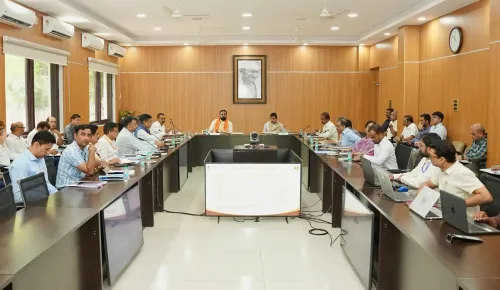
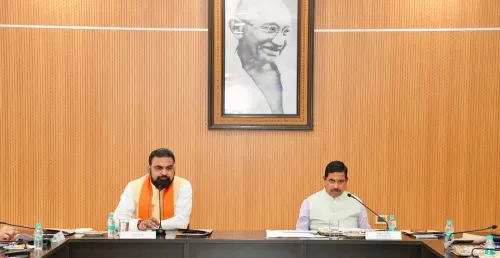
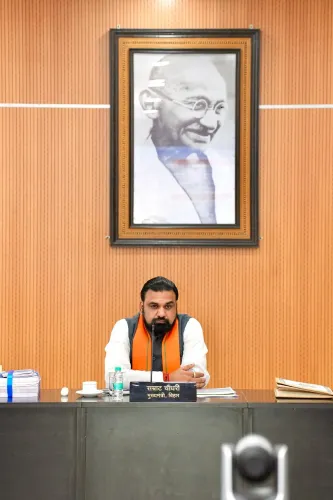
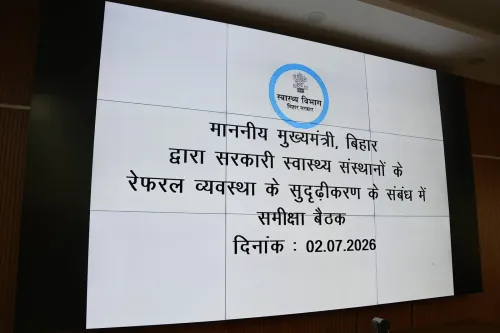
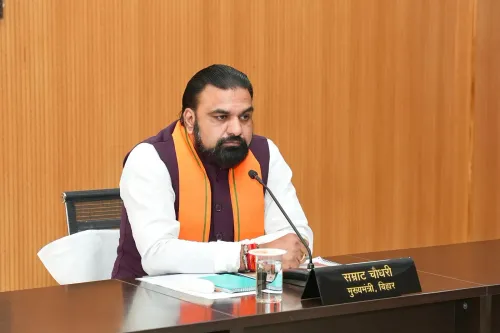
The Chief Minister's Office of Bihar announced on Thursday, 9 July 2026 that Chief Minister Nitish Kumar has directed state officials to issue one crore new ration cards, with an explicit mandate that every eligible family in the state receives food grain benefits in a time-bound, transparent, and dignified manner.
Context
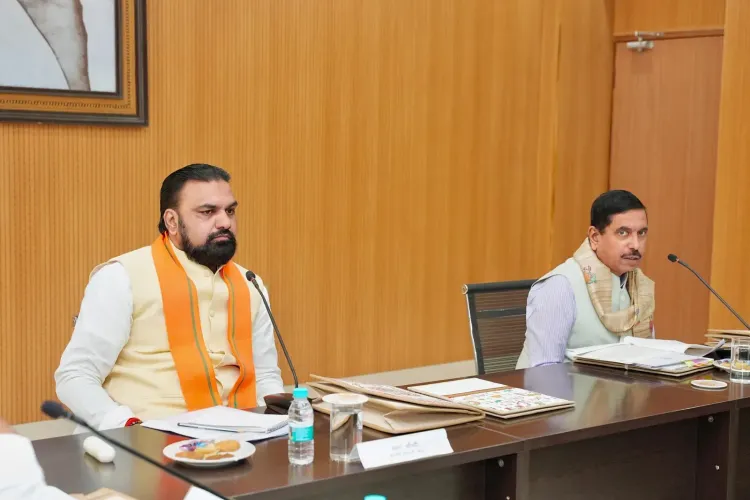
The directive emerged from a high-level review meeting chaired by the Chief Minister. In the meeting, CM Nitish Kumar instructed officials — "राज्य के प्रत्येक पात्र परिवार तक खाद्यान्न का लाभ समयबद्ध, पारदर्शी एवं सम्मानजनक तरीके से पहुँचना सुनिश्चित किया जाए" — meaning that food grain benefits must reach every eligible family in the state in a time-bound, transparent, and dignified manner. The scale of the order — one crore cards — signals a significant expansion of Bihar's food security net.
The announcement underlines the state government's intent to close gaps in beneficiary coverage, particularly among households that remain outside the formal public food distribution network despite qualifying under existing criteria.
Policy Backdrop
India's food security architecture rests on the National Food Security Act (NFSA), 2013, which provides legal entitlement to subsidised food grains for priority households. States are responsible for identifying eligible beneficiaries, issuing ration cards, and delivering allocations through the Public Distribution System (PDS).
Bihar has historically been among the states with a large rural population dependent on PDS. Over the past decade, the state undertook digitisation of ration card databases and periodic beneficiary surveys to reduce both inclusion errors — cards held by ineligible persons — and exclusion errors, where genuinely poor families were left out. The fresh directive to add one crore new cards suggests that a fresh survey or administrative review has identified a substantial uncovered eligible population.
Successive administrations in Patna have framed welfare delivery reforms around transparency and targeting, aligning with central government mandates on Aadhaar-seeding of ration cards and real-time monitoring of grain offtake.
Stakeholders and Impact
The primary beneficiaries of this directive are low-income and rural households across Bihar that currently lack ration cards despite meeting eligibility norms. For these families, a ration card is not merely an identity document — it is the gateway to subsidised rice, wheat, and other commodities that form the backbone of household food security.
The directive also places immediate administrative responsibility on the state's Food and Consumer Protection Department and district-level officials, who will need to conduct verification drives, enrol new applicants, and issue cards within a defined timeline. The emphasis on a 'dignified' process suggests the Chief Minister is also targeting the quality of service delivery at ration shops, not just coverage numbers.
What's Next
Officials are expected to roll out a structured verification and enrolment drive across Bihar's 38 districts to identify and onboard the targeted one crore households. Progress milestones, timelines, and any revision to state food department allocations will be closely watched. Updates to the state budget or supplementary food subsidy provisions may follow as the scale of new enrolments becomes clearer. Any shortfall in central grain allocations under the NFSA framework relative to the expanded beneficiary base could also emerge as a key policy challenge in the months ahead.
Point of View
And its political timing — well ahead of electoral cycles — suggests CM Nitish Kumar is seeking to consolidate welfare credentials among Bihar's vast rural poor. The emphasis on 'dignity' alongside transparency is a deliberate signal that the administration is aware of ground-level grievances about ration shop behaviour and bureaucratic exclusion. If implemented at scale, this could meaningfully reduce the exclusion error rate that has long plagued Bihar's PDS. The real test will be whether the administrative machinery can absorb a one-crore enrolment drive without creating new leakages or duplications in the beneficiary list.
NationPress
10 Jul 2026
Frequently Asked Questions
How many new ration cards is Bihar planning to issue?
Bihar Chief Minister Nitish Kumar has directed officials to issue one crore new ration cards to cover eligible households currently outside the public distribution network.
Who is eligible for the new ration cards in Bihar?
The directive targets families in Bihar who qualify under existing food security criteria — primarily low-income and rural households — but do not yet hold a ration card.
What law governs ration card entitlements in Bihar?
Ration card entitlements in Bihar are governed by the National Food Security Act, 2013, which provides legal rights to subsidised food grains for priority households through the Public Distribution System.
What did CM Nitish Kumar say about the ration card drive?
CM Nitish Kumar directed that food grain benefits must reach every eligible family in a time-bound, transparent, and dignified manner, as announced by the Chief Minister's Office of Bihar on 9 July 2026.
When was the Bihar ration card expansion announced?
The directive was announced on Thursday, 9 July 2026, following a review meeting chaired by Chief Minister Nitish Kumar.