Gadkari Hails Modi-Albanese Melbourne Diaspora Welcome
Synopsis
Union Minister Nitin Gadkari celebrated the Indian diaspora's enthusiastic welcome for PM Modi and Australian PM Albanese in Melbourne on 9 July 2026, highlighting the deepening India–Australia friendship built on a Comprehensive Strategic Partnership and the 2022 ECTA trade agreement.
Key Takeaways
Union Minister Nitin Gadkari posted on X on 9 July 2026 hailing the Indian diaspora's reception for PM Modi and Australian PM Anthony Albanese in Melbourne .
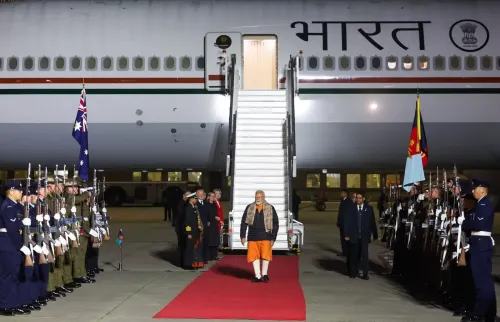
The event is part of PM Modi 's ongoing visit to Australia, with diaspora outreach a signature feature of his overseas engagements.
India and Australia have a Comprehensive Strategic Partnership since June 2020 and signed the Economic Cooperation and Trade Agreement (ECTA) in 2022 .
Melbourne hosts one of the largest Indian-origin communities in Australia, making it a key venue for bilateral people-to-people diplomacy.
Follow-up deliverables on ECTA implementation and defence technology cooperation are expected to be key outcomes of the 2026 visit.
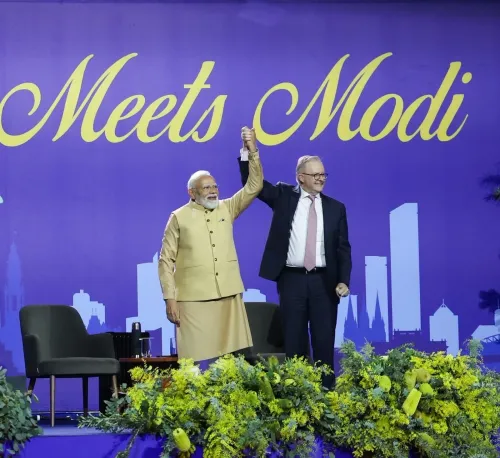
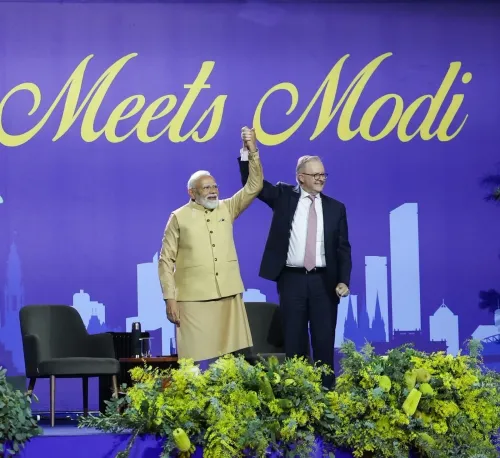
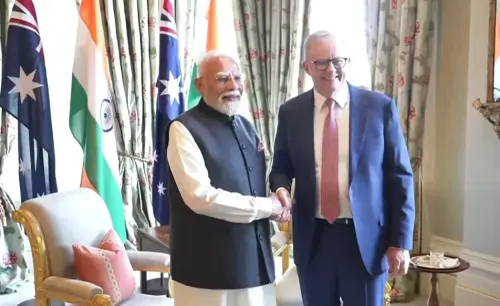
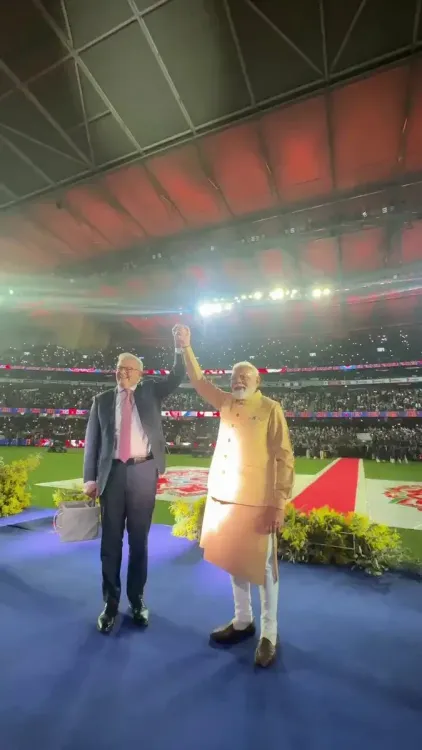
Union Road Transport and Highways Minister Nitin Gadkari on Thursday, 9 July 2026 celebrated the warm reception accorded to Prime Minister Narendra Modi and Australian Prime Minister Anthony Albanese by the Indian diaspora in Melbourne, calling it a reflection of the enduring spirit of India–Australia friendship.
Context
Gadkari's post on X described Melbourne as having 'echoed with pride' as the two leaders received what he termed a 'rousing welcome' from members of the Indian community. The post, accompanied by a video, was shared with the hashtags #PMModiInAustralia and #MelbourneMeetsModi, signalling broad participation from the ruling party's leadership in amplifying the visit's optics.
Prime Minister Modi has made diaspora outreach a consistent feature of overseas visits, using community events to reinforce people-to-people ties alongside formal government-to-government engagements. Melbourne, home to one of the largest Indian-origin communities in Australia, has regularly served as a venue for such gatherings during bilateral visits.
Policy Backdrop
India and Australia elevated their relationship to a Comprehensive Strategic Partnership during a virtual summit in June 2020, marking a significant upgrade in the bilateral framework. That foundation was built further with the signing of the Economic Cooperation and Trade Agreement (ECTA) in 2022, designed to reduce tariffs and expand two-way trade and investment flows.
Modi addressed the Australian Parliament in November 2014, becoming the first Indian prime minister to do so — a milestone that set the tone for the deepening partnership over the following decade. Successive visits have layered on new deliverables across defence, education, and critical minerals supply chains, reflecting both India's Act East policy and Australia's strategy of diversifying its strategic partnerships.
Stakeholders and Impact
The Indian diaspora in Australia, estimated to be among the fastest-growing migrant communities in the country, stands at the intersection of people-to-people diplomacy and economic linkages. Community events of this kind serve a dual purpose: they project soft power for the visiting government and provide diaspora members a platform to engage directly with national leadership.
Trade partners and investors in both countries are watching the July 2026 visit for signals on ECTA implementation progress and any new frameworks around defence technology sharing or critical minerals — sectors identified as priorities in the Comprehensive Strategic Partnership.
What's Next
Observers will track whether the Melbourne visit produces concrete deliverables on pending bilateral agendas, including a review of ECTA implementation and potential agreements on defence technology cooperation expected to be discussed in the second half of 2026. The diaspora dimension of the visit underscores that India–Australia engagement is now a multi-track relationship, spanning government policy, business, education, and community ties.
Point of View
The visit signals that India–Australia ties have matured from a niche relationship into a substantive pillar of India's Indo-Pacific strategy. The political dividend for the ruling party domestically — projecting a globally welcomed prime minister — is an added, if unstated, dimension of such outreach.
NationPress
8 Oct 2026
Frequently Asked Questions
Why did PM Modi visit Melbourne in July 2026?
PM Modi visited Melbourne in July 2026 as part of a bilateral visit to Australia, where he and Australian PM Anthony Albanese engaged with the Indian diaspora community alongside government-level meetings.
What is the India-Australia Comprehensive Strategic Partnership?
The India-Australia Comprehensive Strategic Partnership was established during a virtual summit in June 2020, upgrading bilateral ties across defence, trade, education, and critical minerals cooperation.
What is the India-Australia ECTA?
The Economic Cooperation and Trade Agreement (ECTA), signed in 2022, is a bilateral trade pact between India and Australia aimed at reducing tariffs and expanding two-way trade and investment.
Why is Melbourne significant for India-Australia relations?
Melbourne is home to one of the largest Indian diaspora communities in Australia, making it a natural hub for people-to-people diplomacy during high-level bilateral visits.
What did Nitin Gadkari say about Modi's Australia visit?
Gadkari posted on X that Melbourne 'echoed with pride' as PM Modi and Australian PM Albanese received a rousing welcome from the Indian diaspora, celebrating the spirit of India–Australia friendship.