PM Modi Thanks Melbourne, Australia After Electrifying Visit

Synopsis
Prime Minister Narendra Modi concluded an 'electrifying' visit to Melbourne on 9 July 2026, thanking Australia and its Indian diaspora community. The visit reinforces deepening India-Australia ties under their Comprehensive Strategic Partnership and comes amid ongoing CECA trade negotiations and Quad cooperation.
Key Takeaways
PM Narendra Modi described his 9 July 2026 Melbourne engagement as 'electrifying' in a post on X.
The visit follows India and Australia's elevation to a Comprehensive Strategic Partnership in 2020 .
Melbourne hosts one of Australia's largest Indian diaspora communities, a key audience for Modi's overseas outreach.
Modi's 2014 Australia visit was the first by an Indian Prime Minister in 28 years , relaunching high-level bilateral ties.
Ongoing India-Australia CECA trade talks and critical minerals cooperation remain the top policy watch-points from this visit.
Both nations are Quad members, giving bilateral summits broader Indo-Pacific strategic significance.
Prime Minister Narendra Modi on Thursday, 9 July 2026, wrapped up what he described as an 'electrifying' engagement in Melbourne, Australia, taking to X to express his gratitude to the city and the country following a high-profile diaspora and diplomatic programme.
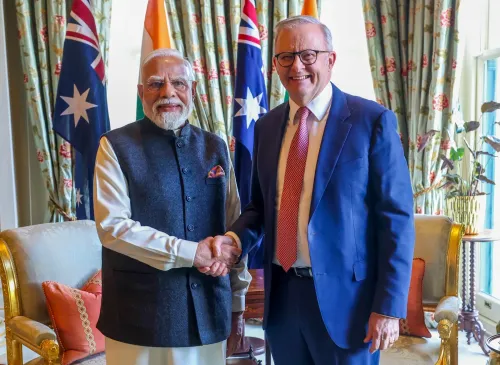
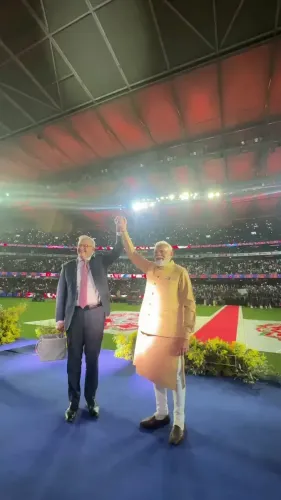
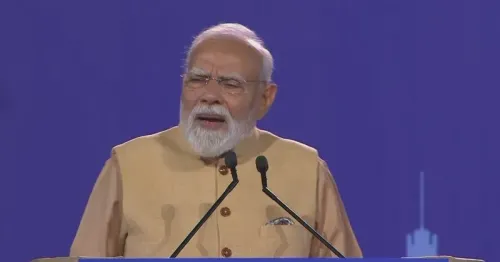
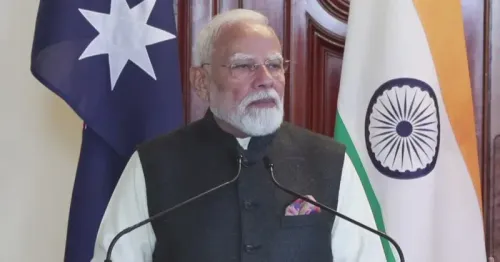
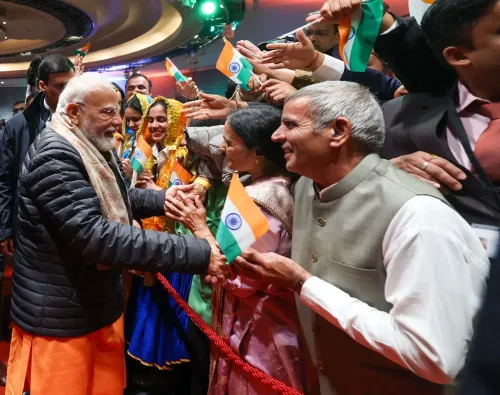
In a brief but effusive post accompanied by four images, Modi wrote: 'Thank you Melbourne! Thank you Australia! Today was electrifying…' — signalling the conclusion of a major leg of his Australian visit and the emotional charge of the public reception he received.
Context
Melbourne is home to one of Australia's largest and most politically active Indian diaspora communities. Modi has a well-established pattern of holding large community events during state visits abroad, using them to reinforce both cultural pride and India's international standing. The imagery accompanying the post — four photographs — suggests a large-scale public gathering consistent with previous diaspora rallies.
This visit follows a lineage of high-level Indian engagement with Australia that was relaunched in 2014, when Modi became the first Indian Prime Minister to visit Australia in 28 years. That visit reset the bilateral relationship after years of relative diplomatic distance.
Policy Backdrop
India and Australia elevated their relationship to a Comprehensive Strategic Partnership in 2020, deepening cooperation across defence, trade, critical minerals, education exchanges, and maritime security. The partnership sits within India's broader Act East policy and its Indo-Pacific strategic framework, in which Australia is a key node.
Both countries are members of the Quad grouping — alongside the United States and Japan — which has become a central pillar of Indo-Pacific security architecture. Bilateral summits between India and Australia have increasingly carried multilateral significance in this context.
Stakeholders and Impact
The most immediate stakeholders are the estimated seven lakh-plus members of the Indian diaspora in Australia, who have consistently been a bridge for people-to-people ties and a constituency that both governments court. For them, a visit of this scale carries symbolic weight beyond diplomacy.
Trade negotiators on both sides are also watching closely. Talks on the India-Australia Comprehensive Economic Cooperation Agreement (CECA) have been ongoing, and high-level political visits typically inject momentum into stalled or slow-moving negotiations. Critical minerals — an area where Australia holds significant reserves and India has growing industrial demand — remain a focal point.
What's Next
The conclusion of the Melbourne leg of the visit leaves open the question of what formal outcomes — joint statements, agreements, or Quad-related engagements — will be announced before the delegation returns to New Delhi. Progress on the CECA trade agreement and any defence or technology cooperation announcements will be the key metrics by which this visit is assessed in policy circles.
Modi's post, characteristically brief and warmly personal, signals a visit that generated significant public energy. Whether that energy translates into concrete bilateral deliverables will define the diplomatic legacy of this trip to Australia.
Point of View
While personal, is also political — it signals to New Delhi and Canberra alike that the people-to-people dimension of the relationship has real energy behind it. This visit lands at a moment when the India-Australia CECA remains the most tangible unfinished business between the two capitals, and the warmth generated in Melbourne may be intended to accelerate that. Within the broader Quad framework, a visibly successful Modi visit to Australia also reinforces India's centrality to the Indo-Pacific security conversation.
NationPress
9 Oct 2026
Frequently Asked Questions
Why did PM Modi visit Melbourne in July 2026?
PM Modi visited Melbourne as part of a state visit to Australia, engaging the Indian diaspora community and advancing bilateral ties under the India-Australia Comprehensive Strategic Partnership.
What is the India-Australia Comprehensive Strategic Partnership?
The India-Australia Comprehensive Strategic Partnership, established in 2020 , is a framework that deepens cooperation between the two countries in defence, trade, critical minerals, education, and maritime security.
What is the CECA trade agreement between India and Australia?
The Comprehensive Economic Cooperation Agreement (CECA) is a bilateral free trade deal under negotiation between India and Australia, aimed at expanding market access and economic ties between the two nations.
How large is the Indian diaspora in Australia?
Australia is home to an estimated seven lakh-plus people of Indian origin, concentrated in cities like Melbourne and Sydney, making them a significant community in both countries' bilateral relationship.
What is the Quad and why does it matter for India-Australia ties?
The Quad is a strategic grouping comprising India, Australia, the United States, and Japan, focused on maintaining a free and open Indo-Pacific. India-Australia bilateral summits often carry added weight because of their shared Quad membership.