PM Modi lands in Melbourne to boost India-Australia ties
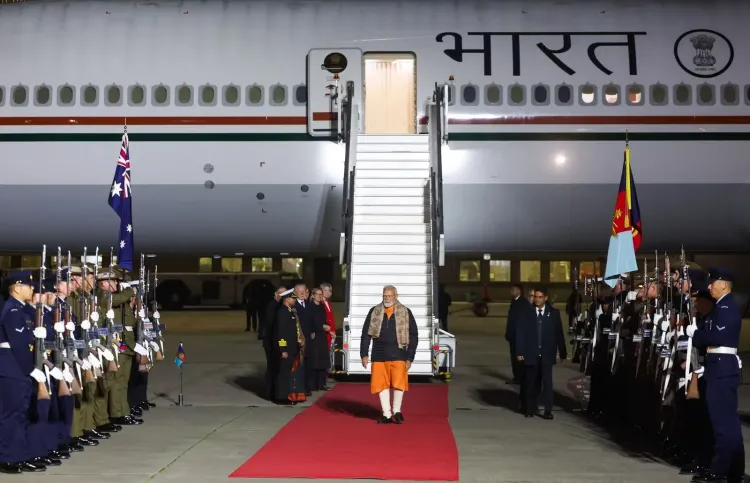
Synopsis
Prime Minister Narendra Modi arrived in Melbourne on 8 July 2026 for bilateral talks with Australian PM Anthony Albanese. The visit aims to deepen the India-Australia Comprehensive Strategic Partnership across defence, trade, and people-to-people ties, with the Indian diaspora also in focus.
Key Takeaways
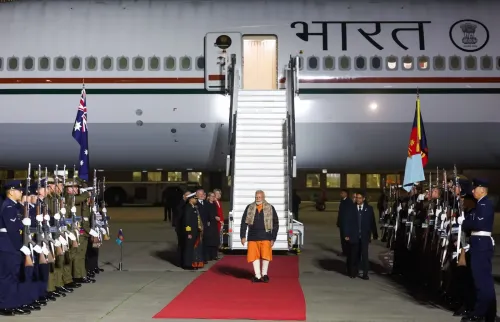
Prime Minister Narendra Modi landed in Melbourne, Australia , on 8 July 2026 for a bilateral visit.
Modi said the trip would 'add vigour' to the India-Australia Comprehensive Strategic Partnership .
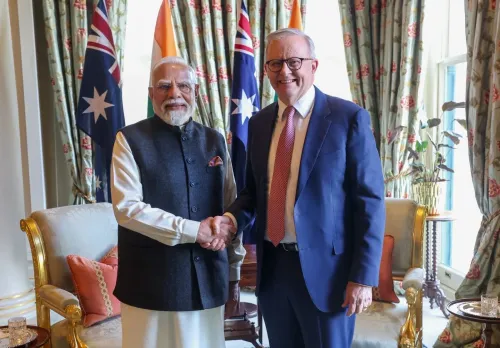
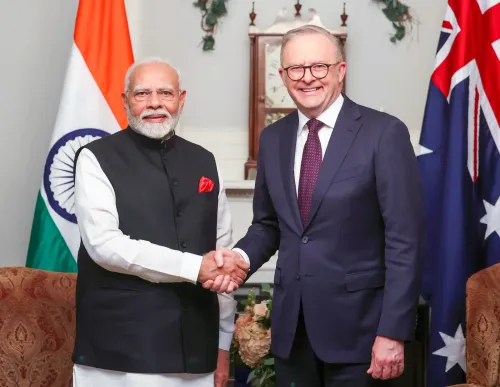
Talks with Australian PM Anthony Albanese are a central part of the visit.
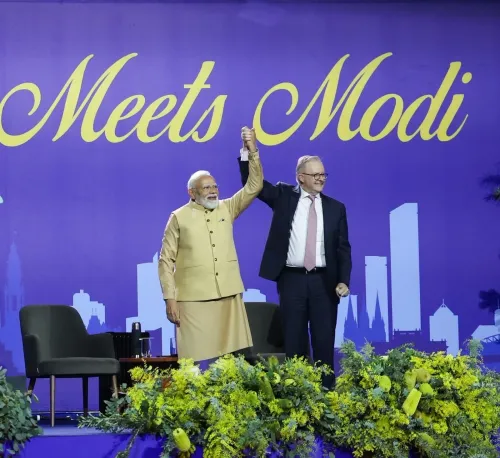
Engagement with the Indian diaspora in Australia — described by Modi as 'an important pillar of our partnership' — is also planned.
The partnership was elevated to a Comprehensive Strategic Partnership in June 2020 and underpinned by a trade agreement in force since December 2022 .
Watchers expect possible joint outcomes on critical minerals , defence technology, and Indo-Pacific security.
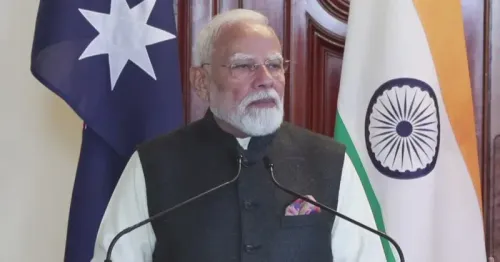
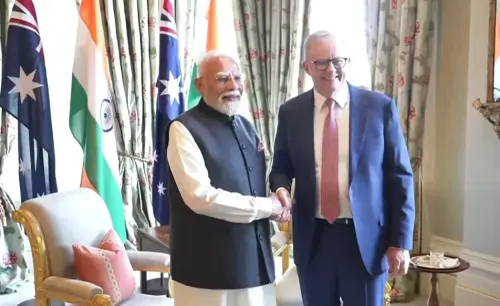
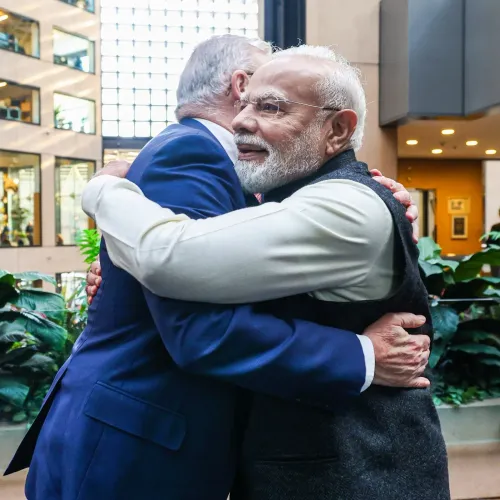
Prime Minister Narendra Modi arrived in Melbourne, Australia, on Wednesday, 8 July 2026, for a bilateral visit aimed at deepening the India-Australia Comprehensive Strategic Partnership. Modi said the trip would 'add vigour' to the relationship and that he looks forward to talks with Australian Prime Minister Anthony Albanese.
Context
In his post on X, Prime Minister Modi said he would also have 'the opportunity to interact with the Indian diaspora which is an important pillar of our partnership.' Melbourne is Australia's second-largest city and a frequent venue for Indian community gatherings and high-level bilateral engagements. The Indian diaspora in Australia numbers in the hundreds of thousands and is one of the fastest-growing migrant communities in the country.
Modi tagged @AlboMP — the official handle of Prime Minister Anthony Albanese, who has led Australia since May 2022. The public tagging signals the personal warmth both leaders have sought to cultivate as a diplomatic asset.
Policy Backdrop
The India-Australia Comprehensive Strategic Partnership was elevated from a standard strategic partnership during a June 2020 virtual summit between Modi and then-Prime Minister Scott Morrison. The framework covers defence cooperation, trade, education, and people-to-people links.
A landmark India-Australia Economic Cooperation and Trade Agreement was signed in April 2022 and entered into force in December 2022, slashing tariffs on a wide range of goods and services. The bilateral relationship also sits within the broader Quad framework — alongside the United States and Japan — and is reinforced by shared participation in the Malabar naval exercises.
The visit is consistent with India's sustained high-level engagement with Australia under its Indo-Pacific and Act East policy frameworks, which have gained momentum over the past several years.
Stakeholders and Impact
The Indian diaspora in Australia stands to benefit from any people-to-people agreements that may emerge, including easier mobility, recognition of professional qualifications, and cultural exchange programmes. Defence and trade officials from both sides are expected to be closely involved in the bilateral talks.
Businesses on both sides are watching for signals on critical minerals — an area where Australia's vast reserves and India's manufacturing ambitions are seen as naturally complementary. Any progress on defence technology cooperation would also be closely tracked given the strategic context of the Indo-Pacific.
What's Next
Talks between Prime Minister Modi and Prime Minister Albanese are expected to cover a range of strategic and economic issues. Observers will watch for possible joint statements on critical minerals, defence technology, and regional security architecture in the Indo-Pacific.
Modi's engagement with the Indian community in Melbourne is also anticipated, continuing a pattern of diaspora outreach that has become a signature element of his overseas visits. The outcomes of this visit are likely to set the agenda for the bilateral relationship in the near term.
Point of View
This visit is less about laying foundations and more about building on them — particularly in areas like critical minerals and defence technology where both countries see strategic alignment. The diaspora element underscores that for the Modi government, overseas Indian communities are not just a soft-power asset but an active instrument of bilateral diplomacy.
NationPress
7 Oct 2026
Frequently Asked Questions
Why did PM Modi visit Melbourne in July 2026?
PM Modi visited Melbourne to strengthen the India-Australia Comprehensive Strategic Partnership through bilateral talks with Australian PM Anthony Albanese and to engage with the Indian diaspora community.
What is the India-Australia Comprehensive Strategic Partnership?
The India-Australia Comprehensive Strategic Partnership was established during a virtual summit in June 2020. It covers defence, trade, education, and people-to-people ties, and is supported by a bilateral trade agreement that came into force in December 2022.
What issues are expected to be discussed between Modi and Albanese?
Talks are expected to cover critical minerals, defence technology cooperation, and regional security in the Indo-Pacific, though specific agenda items for the July 2026 visit have not been officially confirmed.
What is the significance of the Indian diaspora in Australia?
The Indian diaspora is one of Australia's fastest-growing migrant communities. PM Modi has described it as 'an important pillar' of the India-Australia partnership, and diaspora engagement is a regular feature of his overseas visits.
Is India and Australia part of the Quad?
Yes. India and Australia are both members of the Quad, a strategic grouping that also includes the United States and Japan, focused on a free and open Indo-Pacific.