CM Sukhu Launches Marketing Wing for Natural Farming
Synopsis
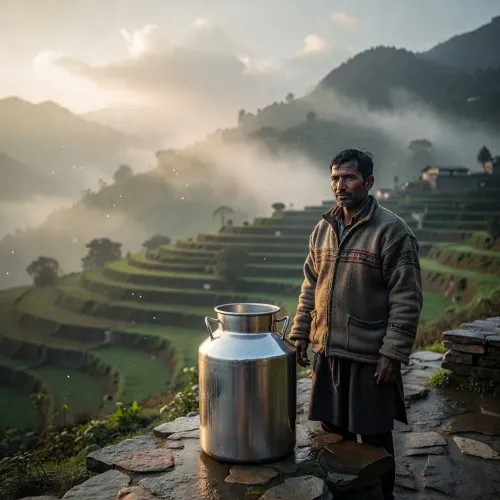
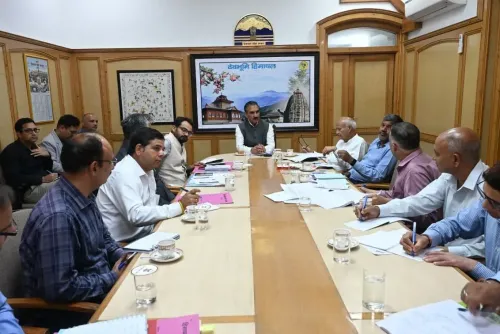
Himachal Pradesh CM Sukhvinder Singh Sukhu announced a dedicated Marketing Wing in the state Agriculture Department to help over 2.56 lakh natural farming practitioners access better markets, underscoring the government's push to make chemical-free farming economically viable for smallholders.
Key Takeaways
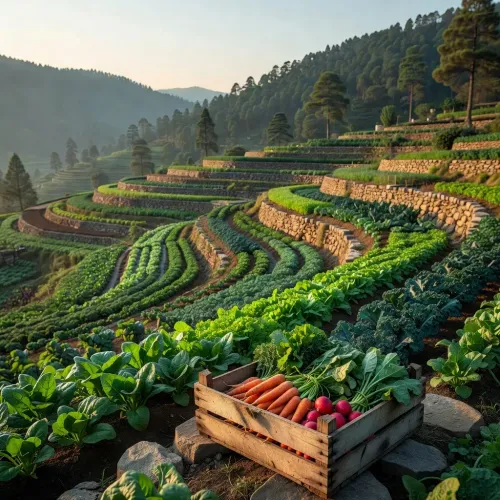
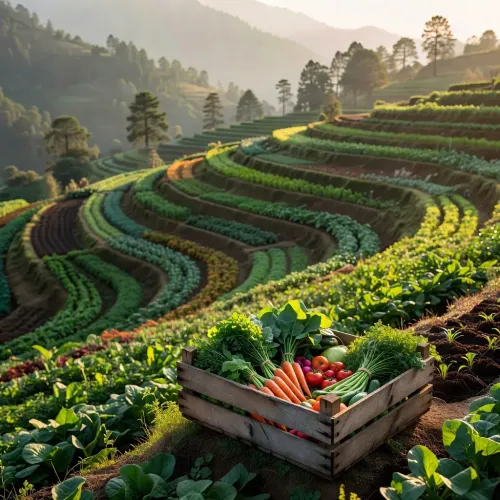
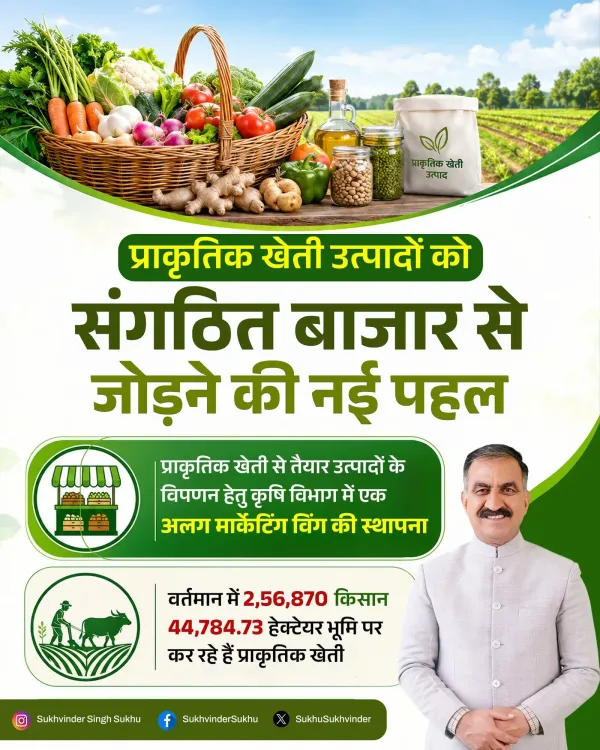
2,56,870 farmers in Himachal Pradesh are currently practising natural farming across 44,784.73 hectares , according to CM Sukhu.
The state government is establishing a dedicated Marketing Wing within the Agriculture Department specifically for natural-farming produce.
The wing aims to reduce the marketing burden on farmers and help them access better prices beyond conventional mandis.
The move builds on the national Paramparagat Krishi Vikas Yojana framework launched by the Government of India in 2015 .
CM Sukhu framed the initiative around the twin goals of soil fertility and farmer prosperity, stating 'Empower the farmer, enrich agriculture' as the government's core priority.
Operationalisation details — budget, staffing, and linkages with central certification schemes — are yet to be announced.
Himachal Pradesh Chief Minister Sukhvinder Singh Sukhu announced on Wednesday, 8 July 2026 that the state government is establishing a dedicated Marketing Wing within the Agriculture Department to help farmers selling natural-farming produce find better markets, citing figures of 2,56,870 farmers already practising natural farming across 44,784.73 hectares in the state.
Context
Posting in Hindi on X, Chief Minister Sukhu wrote: 'धरती की उर्वरता और किसान की समृद्धि, दोनों एक-दूसरे से जुड़ी हैं' ['The fertility of the earth and the prosperity of the farmer are linked to each other'], framing natural farming as central to both ecological and economic goals. He stated the government's priority as: 'Empower the farmer, enrich agriculture' — Kisan sashakt hon, kheti samriddh bane.
The announcement comes as Himachal Pradesh, a hill state with a large smallholder and horticulture sector, seeks to move its natural farming push beyond production and into organised sales and supply chains. The new wing is intended specifically to ease the marketing burden on farmers who have already made the shift away from chemical inputs.
Policy Backdrop
Natural farming has been a stated priority for several Indian state governments, partly in response to long-term soil degradation from synthetic fertiliser use and rising input costs that squeeze smallholder margins. The Government of India launched the Paramparagat Krishi Vikas Yojana (PKVY) in 2015 to promote cluster-based organic and natural farming, providing a policy and funding framework that states have built upon.
Himachal Pradesh has positioned itself as an active participant in this national push, with the state's Agriculture Department running extension programmes to enrol farmers and provide technical guidance. The creation of a standalone marketing wing marks a shift in emphasis — from encouraging adoption to ensuring economic viability for those who have already adopted.
Multiple Indian states have pursued similar efforts to build dedicated supply chains, branding initiatives, and certification systems for chemical-free produce, recognising that production-side success is undermined without reliable market access and price premiums.
Stakeholders and Impact
The most direct beneficiaries are the 2,56,870 farmers currently cultivating 44,784.73 hectares under natural farming in Himachal Pradesh, who face the common challenge of fetching remunerative prices when selling outside mainstream mandis (agricultural markets) that are not structured for certified chemical-free produce. A dedicated marketing wing could help aggregate supply, negotiate with institutional buyers, and facilitate access to premium urban or export markets.
For the broader agricultural economy of Himachal Pradesh, success in marketing natural-farming output would validate the state's investment in farmer enrolment and potentially encourage further adoption. Consumers — particularly those seeking chemical-free produce in urban markets — stand to benefit from a more organised supply chain with clearer provenance.
What's Next
Key developments to watch include the formal operationalisation of the Marketing Wing — including its staffing, budget allocation, and institutional structure — and whether the state links the initiative to central-government organic certification or export promotion schemes. Any dedicated infrastructure spending, such as storage, grading, or branding facilities, will indicate the scale of the government's commitment.
The announcement also sets a benchmark: the figures cited by Chief Minister Sukhu will be tested against farmer income data and market uptake as the wing becomes operational, making this a closely watched programme for agricultural policy observers across India.
Point of View
The Himachal Pradesh government is signalling a more hands-on role in the value chain. The move also carries political weight for the Indian National Congress-led government, which can point to a concrete administrative action — not merely enrolment numbers — as evidence of farmer-welfare delivery. Whether the wing translates into measurable income gains for the state's smallholders will be the real test of this initiative.
NationPress
8 Oct 2026
Frequently Asked Questions
What is the new Marketing Wing announced by Himachal Pradesh CM Sukhu?
It is a dedicated unit being established within Himachal Pradesh's Agriculture Department to help farmers who practise natural farming find better markets and sell their produce more easily, reducing their dependence on conventional agricultural markets.
How many farmers are doing natural farming in Himachal Pradesh?
According to CM Sukhvinder Singh Sukhu's announcement on 8 July 2026, 2,56,870 farmers are currently practising natural farming across 44,784.73 hectares in Himachal Pradesh.
What is natural farming and how is it different from organic farming?
Natural farming avoids all synthetic inputs — fertilisers, pesticides, and herbicides — often relying on locally prepared bio-inputs such as cow-dung-based preparations. While organic farming may still use certified organic inputs, natural farming emphasises zero-cost or near-zero-cost inputs derived from farm and forest resources, aiming to reduce farmer expenditure while rebuilding soil health.
What is Paramparagat Krishi Vikas Yojana and is Himachal Pradesh part of it?
The Paramparagat Krishi Vikas Yojana (PKVY) is a Government of India scheme launched in 2015 to promote cluster-based organic and natural farming across states. Himachal Pradesh has participated in the national push toward chemical-free agriculture, with the state's Agriculture Department running enrolment and extension programmes aligned with this framework.
Why do natural farming products need a separate marketing channel?
Conventional agricultural mandis are structured for commodity produce and do not easily accommodate the premium pricing, certification, or traceability that chemical-free produce requires. Without a dedicated channel, natural farming practitioners often struggle to distinguish their produce and receive prices that justify the switch from conventional inputs.