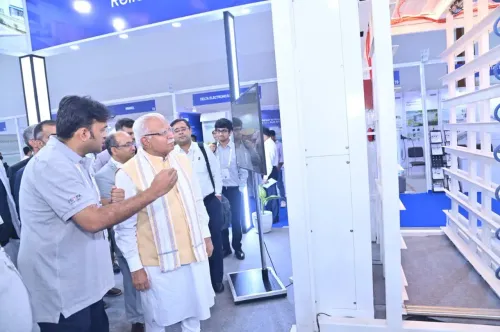
Khattar meets energy storage CEOs at India Energy Storage Week 2026
Synopsis
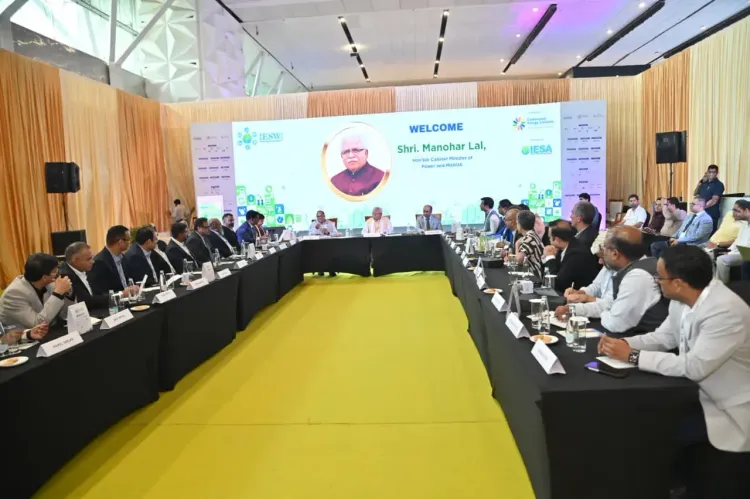
Union Power Minister Manohar Lal Khattar engaged with top CEOs from the energy storage, battery manufacturing, EV, and renewables sectors at India Energy Storage Week 2026 on 8 July, with talks centred on domestic manufacturing, R&D, and policy frameworks to accelerate storage deployment.
Key Takeaways
Union Power Minister Manohar Lal Khattar participated in India Energy Storage Week 2026 on 8 July 2026 , meeting CEOs and industry leaders.
Discussions covered four areas: domestic manufacturing, innovation and R&D, supportive policy frameworks, and ecosystem building for energy storage.
The PLI scheme for Advanced Chemistry Cell (ACC) batteries , approved in May 2021 , underpins India's domestic battery manufacturing push.
India has pledged 500 GW of non-fossil fuel capacity by 2030 , making grid-scale storage a strategic priority.
The Ministry of Power issued BESS procurement guidelines in 2022–23 to support renewable integration.
No specific policy announcements from the 2026 event have been confirmed; industry awaits follow-up on BESS tenders and PLI revisions.
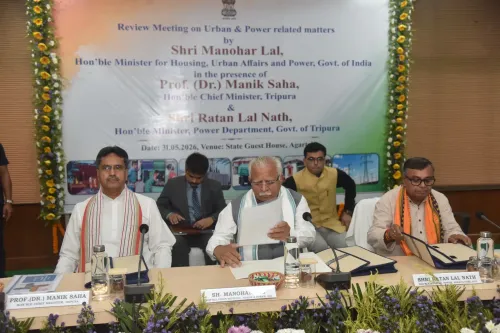
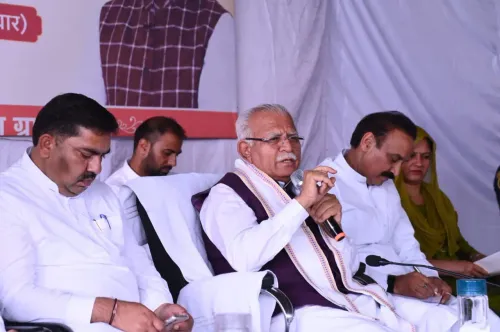
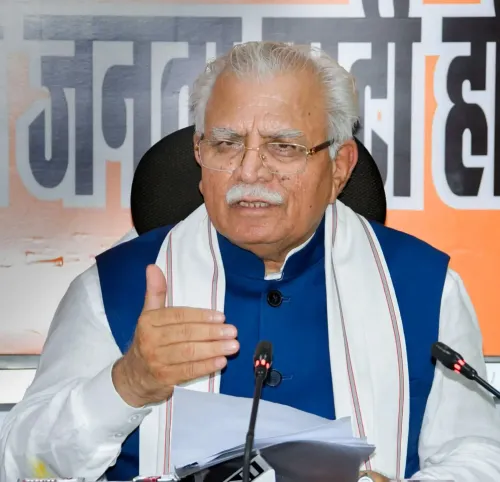
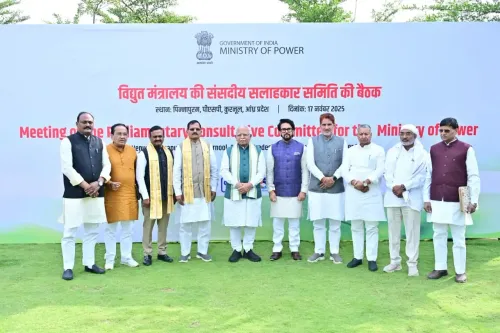
Union Power Minister Manohar Lal Khattar on Wednesday, 8 July 2026, participated in India Energy Storage Week 2026, holding direct interactions with chief executives and senior industry leaders across the energy storage, battery manufacturing, electric mobility, and renewable energy sectors. The minister described the day as 'engaging' and said discussions were 'fruitful', centring on domestic manufacturing, innovation, and policy frameworks to accelerate storage deployment in India.
Context
India Energy Storage Week is an annual industry forum that brings together stakeholders from across the clean-energy value chain — battery cell makers, renewable developers, electric vehicle companies, and grid operators — to discuss technology, investment, and policy. Minister Khattar's participation signals the government's intent to use such platforms for direct dialogue with the private sector rather than relying solely on formal consultation processes.
In his post on X, Khattar outlined four pillars of discussion: 'strengthening domestic manufacturing, advancing innovation and R&D, enabling supportive policy frameworks, and building a robust ecosystem to accelerate energy storage deployment in India.' Each of these maps directly onto existing government priorities under the Atmanirbhar Bharat mission.
Policy Backdrop
India's push for domestic energy storage capacity has a clear legislative and financial trail. The Production Linked Incentive (PLI) scheme for Advanced Chemistry Cell (ACC) batteries, approved in May 2021, was designed to seed domestic manufacturing capacity and reduce dependence on imported cells — primarily from China. The scheme offers financial incentives linked to incremental sales from domestically manufactured ACC batteries.
At COP26 in 2021, India pledged to achieve 500 GW of non-fossil fuel-based electricity capacity by 2030. Grid-scale battery storage is considered essential to managing the intermittency of solar and wind power at that scale. The Ministry of Power followed up with guidelines in 2022–23 for procurement and utilisation of Battery Energy Storage Systems (BESS) to support renewable integration into the national grid.
Despite these measures, industry observers have consistently noted that storage deployment has lagged behind renewable capacity addition, creating a structural gap that events like India Energy Storage Week are intended to help address through policy feedback loops.
Stakeholders and Impact
Battery manufacturers, renewable energy developers, and the electric vehicle (EV) industry are the primary stakeholders in this policy space. For battery makers, clarity on PLI disbursements and quality standards is critical to investment decisions. For renewable developers, BESS procurement norms and viability gap funding determine project economics. For EV companies, the intersection of storage technology and charging infrastructure shapes long-term product roadmaps.
Minister Khattar's direct engagement with CEOs at the forum suggests the government is actively soliciting industry input ahead of potential regulatory notifications or tender revisions. Such ministerial-level participation typically precedes formal policy announcements, though no specific outcomes from the 2026 event have been confirmed.
What's Next
Attention will now turn to whether the discussions at India Energy Storage Week 2026 translate into concrete policy actions — including revisions to PLI incentive structures, new central or state-level BESS tenders, or updated viability gap funding norms. Parliamentary committee reports on energy storage policy implementation are also expected to reflect industry feedback gathered at forums of this nature.
With India's 2030 renewable energy targets drawing closer, the window for scaling domestic storage manufacturing is narrowing, making the policy signals emerging from ministerial engagements like this one increasingly consequential for investors and developers alike.
Point of View
R&D, policy frameworks, ecosystem building — mirrors the structural gaps that have slowed BESS deployment despite the 2021 PLI scheme. This kind of ministerial visibility also serves a signalling function for investors who need regulatory certainty before committing capital to domestic cell manufacturing. Whether the engagement produces measurable policy movement — revised PLI norms, new BESS tenders, or viability gap funding clarity — will determine whether this is substantive or ceremonial.
NationPress
9 Jul 2026
Frequently Asked Questions
What is India Energy Storage Week 2026?
India Energy Storage Week 2026 is an industry forum bringing together stakeholders from the energy storage, battery manufacturing, electric vehicle, and renewable energy sectors to discuss technology, investment, and policy priorities.
What did Manohar Lal Khattar discuss at India Energy Storage Week 2026?
Minister Khattar said discussions focused on strengthening domestic manufacturing, advancing innovation and R&D, enabling supportive policy frameworks, and building a robust ecosystem to accelerate energy storage deployment in India.
What is the PLI scheme for ACC batteries?
The Production Linked Incentive scheme for Advanced Chemistry Cell batteries was approved in May 2021 to promote domestic battery manufacturing in India and reduce import dependence, offering incentives linked to incremental sales of domestically made cells.
Why is energy storage important for India's 2030 renewable energy targets?
India pledged 500 GW of non-fossil fuel capacity by 2030 at COP26. Battery energy storage systems are essential to managing the intermittency of solar and wind power at that scale, making domestic storage deployment a strategic priority.
What policy actions are expected after Khattar's meeting with energy storage CEOs?
Analysts are watching for revisions to PLI incentive structures, new central or state-level BESS tenders, and updated viability gap funding norms, though no specific announcements from the 2026 event have been confirmed.