Khattar Keynotes BRICS Energy Meet, Launches Smart Grid Centre
Synopsis
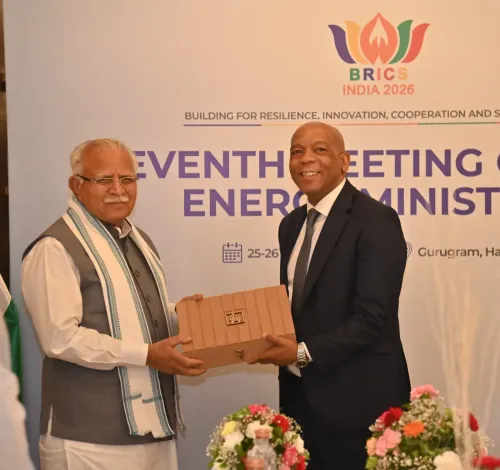
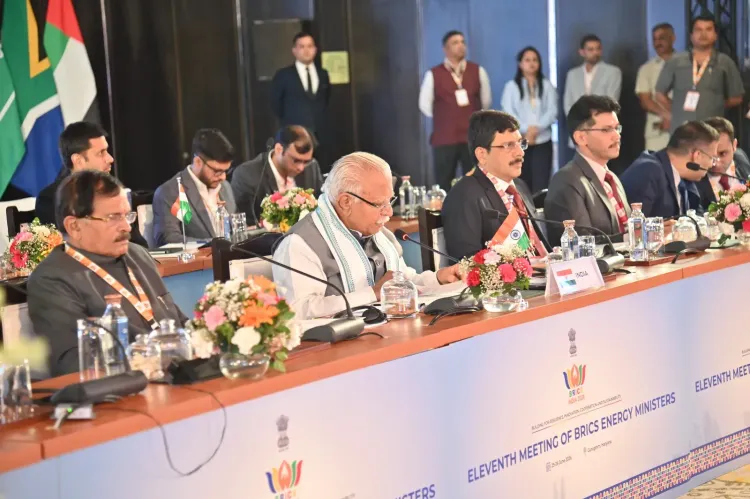
Union Power Minister Manohar Lal Khattar keynoted the 11th BRICS Energy Ministers meeting in Gurugram on June 25, 2026, launching the BRICS Digital Centre of Excellence for Smart Grid and Energy Storage. India's presidency agenda centres on energy security, access, and technology innovation, backed by targets of 100 GW pumped storage and 80 GW battery storage.
Key Takeaways
Manohar Lal Khattar delivered the keynote at the 11th BRICS Energy Ministers Meeting in Gurugram on June 25, 2026 .
The BRICS Digital Centre of Excellence for Smart Grid and Energy Storage was formally launched at the meeting under India's 2026 BRICS Presidency.
India has set targets of nearly 100 GW of pumped hydro storage and around 80 GW of battery energy storage to support renewable integration.
India's three-pillar BRICS energy agenda covers energy security and sustainability , energy access and equity , and technology and innovation .
The Saubhagya scheme (2017) and the National Smart Grid Mission (2013) were cited as foundational achievements underpinning India's multilateral credibility on energy access and grid modernisation.
Operational details — host location, funding, and governance — of the new Centre of Excellence remain to be publicly confirmed.
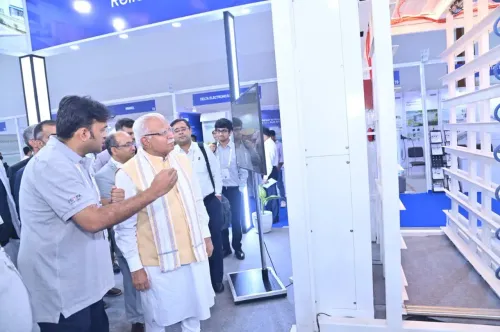
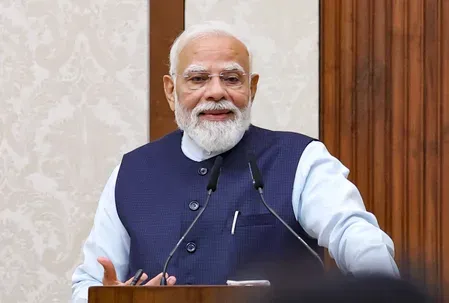
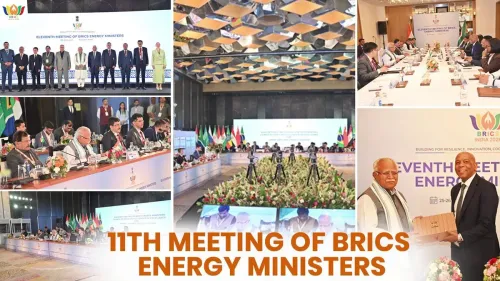
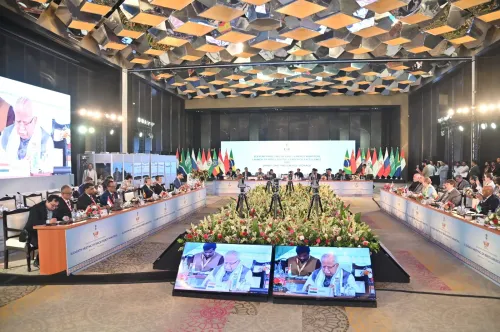
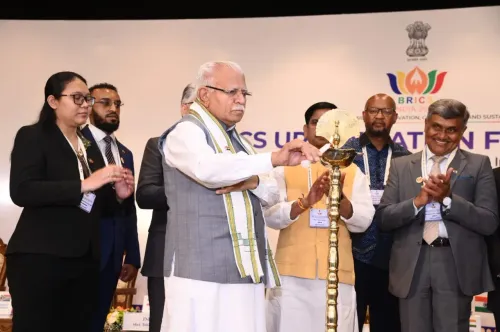
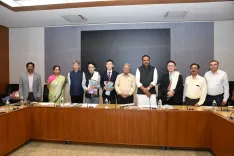
Union Power Minister Manohar Lal Khattar delivered the keynote address at the 11th Meeting of the BRICS Energy Ministers in Gurugram on Thursday, June 25, 2026, marking India's active stewardship of the grouping's energy agenda under its 2026 BRICS Presidency. The meeting saw the formal launch of the BRICS Digital Centre of Excellence for Smart Grid and Energy Storage, described by the minister as a significant milestone in building resilient and future-ready energy systems across member nations.
Context
Speaking at the ministerial gathering, Khattar outlined three priorities anchoring India's energy agenda under its BRICS Chairship: 'energy security and sustainability, energy access and equity, and technology and innovation.' The address drew a direct line between India's domestic energy transformation over the past decade and the collective ambitions of the BRICS grouping, which now spans economies across the Global South.
The newly launched BRICS Digital Centre of Excellence for Smart Grid and Energy Storage is designed to promote joint work on digital grid tools, grid modernisation, and storage technologies among member nations. Its launch signals a shift in BRICS energy cooperation toward technology-sharing frameworks suited to managing variable renewable energy at scale.
Policy Backdrop
Khattar cited India's near-universal household electricity access — achieved through the Saubhagya scheme launched in 2017 — as a foundational achievement underpinning the country's credibility on energy access. The scheme electrified tens of millions of households and is widely regarded as a landmark in India's rural electrification history.
On the infrastructure front, India's National Smart Grid Mission, initiated in 2013, laid the groundwork for deploying smart metering and digital automation across power distribution networks. Khattar highlighted the country's large-scale smart metering programme as a direct continuation of this trajectory, now being projected as a model for BRICS partners.
India has also announced ambitious storage targets: nearly 100 GW of pumped hydro storage and around 80 GW of battery energy storage. These figures align with the country's broader commitment to 500 GW of non-fossil fuel capacity by 2030, a target India pledged at COP26 in 2021. The minister framed these targets as foundational to building a modern, reliable power sector capable of integrating large volumes of renewable energy.
Stakeholders and Impact
BRICS energy ministries, power distribution companies, and renewable energy developers across member nations stand to benefit from the new Centre of Excellence, which is intended to serve as a shared platform for knowledge exchange and technology deployment. For India, the forum offers an opportunity to position domestic innovations — in smart metering, grid digitisation, and storage — as exportable models for the Global South.
The 11th ministerial meeting continues a pattern of annual BRICS energy dialogues that have progressively moved beyond fossil-fuel cooperation toward renewable integration and digital grid solutions. Under India's presidency, this shift has been formalised through the new Centre, reflecting the grouping's evolving priorities as member economies accelerate their own energy transitions.
What's Next
Operational details of the BRICS Digital Centre of Excellence — including its host location, governance structure, and funding arrangements — are yet to be publicly confirmed. Progress on India's 100 GW pumped-storage and 80 GW battery storage targets is expected to feature in future BRICS energy and summit-level discussions through the remainder of India's 2026 Chairship.
As India continues to leverage its BRICS presidency to project its energy achievements onto a multilateral stage, the Centre's effectiveness in translating declarations into operational technology cooperation will be the key metric to watch in the months ahead.
Point of View
Translating domestic policy achievements into multilateral currency. By linking the Saubhagya scheme's electrification record and ambitious GW-scale storage targets to a BRICS platform, New Delhi positions itself as a technology-exporting leader among Global South economies rather than merely a recipient of cooperation frameworks. The move also reflects a broader strategic calculation: as the BRICS grouping expands and diversifies, India is using sector-specific institutions to shape the grouping's agenda in areas where it holds comparative credibility. The Centre's long-term significance will depend on whether it moves beyond declaration to deliver tangible technology transfers and joint projects among member nations.
NationPress
23 Sept 2026
Frequently Asked Questions
What was launched at the BRICS Energy Ministers meeting in Gurugram in 2026?
The BRICS Digital Centre of Excellence for Smart Grid and Energy Storage was launched at the 11th BRICS Energy Ministers Meeting in Gurugram on June 25, 2026 , under India's BRICS Presidency.
What are India's energy storage targets mentioned by Khattar at BRICS?
Union Power Minister Manohar Lal Khattar cited India's targets of nearly 100 GW of pumped hydro storage and around 80 GW of battery energy storage as part of the country's plan to build a modern, renewable-integrated power sector.
What is India's role in BRICS energy cooperation in 2026?
India holds the BRICS Chairship in 2026 and has shaped the grouping's energy agenda around three priorities: energy security and sustainability, energy access and equity, and technology and innovation.
What is the BRICS Digital Centre of Excellence for Smart Grid and Energy Storage?
It is a new multilateral initiative launched under India's 2026 BRICS Presidency to promote joint work on digital grid tools, grid modernisation, and energy storage technologies among BRICS member nations. Operational details such as host location and funding are yet to be confirmed.
What schemes did India highlight at the BRICS Energy Ministers meeting?
India highlighted the Saubhagya scheme (2017) , which achieved near-universal household electrification, and the National Smart Grid Mission (2013) , which deployed smart metering and digital automation, as key achievements underpinning its energy cooperation credentials.