BRICS Digital Centre of Excellence launched for smart grids, energy storage at India-chaired meet
Synopsis
India's BRICS Chairship delivered a concrete institutional outcome in Gurugram: the launch of a dedicated Digital Centre of Excellence for Smart Grids and Energy Storage, backed by newly adopted Guiding Principles and a Joint Communique. With China taking over in 2027, this marks India's most substantive multilateral energy architecture move in years.
Key Takeaways
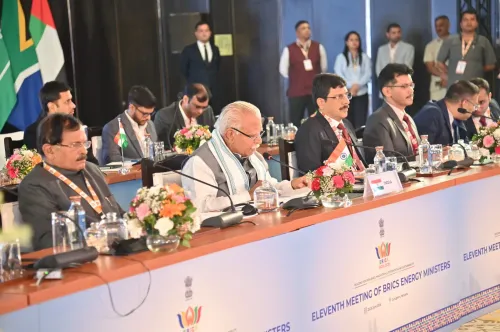
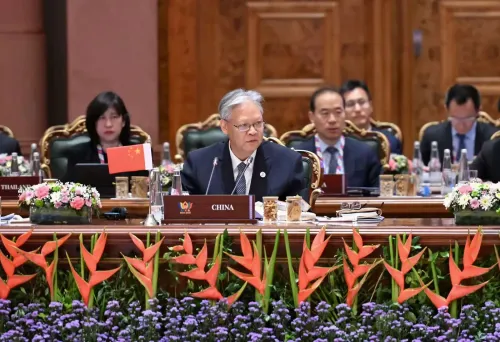
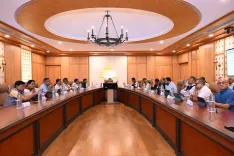
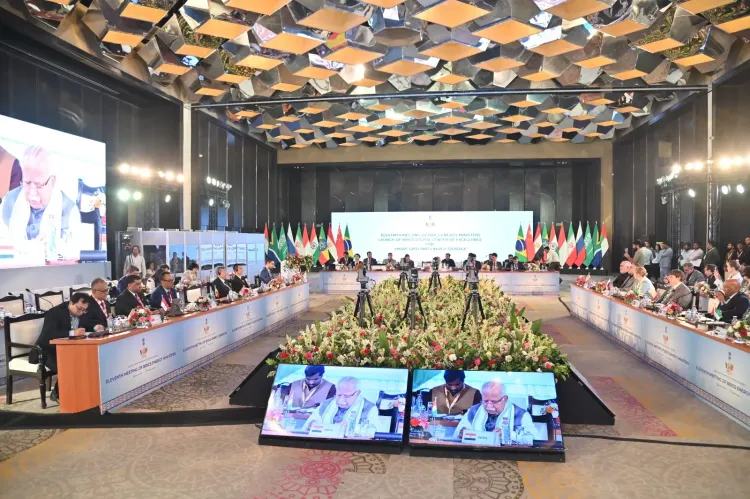
The 11th BRICS Energy Ministers' Meeting was chaired by India in Gurugram on 26 June 2025 .
The BRICS Digital Centre of Excellence for Smart Grids and Energy Storage was launched under the BRICS Energy Research Cooperation Platform (ERCP).
BRICS Guiding Principles on Smart Grids and Energy Storage were formally adopted at the meeting.
Union Power Minister Manohar Lal reaffirmed India's commitment to the principle of 'Energy for All' and called for policy space for developing nations.
The BRICS Joint Report on Hydrogen Value Chains 2026 is in finalisation, covering hydrogen technologies, standards, and industrial applications.
BRICS energy cooperation will continue under the Chairship of China in 2027 .
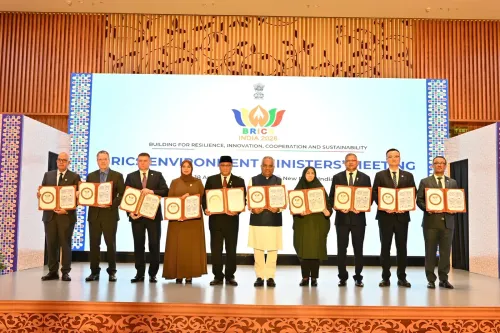
The 11th BRICS Energy Ministers' Meeting, chaired by India in Gurugram on 26 June 2025, culminated in the adoption of a Joint Communique and the launch of the BRICS Digital Centre of Excellence for Smart Grids and Energy Storage — a landmark outcome of India's BRICS Presidency that advances the bloc's collective agenda on energy security, sustainability, and digital infrastructure.
Key Outcomes of the Ministerial Meeting
The centrepiece of India's Chairship was the formal launch of the BRICS Digital Centre of Excellence (DCOE) for Smart Grids and Energy Storage, established under the BRICS Energy Research Cooperation Platform (ERCP). The Centre will function as a voluntary, collaborative platform for knowledge sharing, capacity building, exchange of policy and regulatory best practices, and development of pilot initiatives among BRICS member countries.
In a parallel development, the BRICS Guiding Principles on Smart Grids and Energy Storage were formally adopted, recognising the growing importance of modern, resilient, and digitally enabled power systems in ensuring reliable and affordable energy access while integrating renewable energy and emerging technologies.
What the Joint Communique Affirms
The Joint Communique adopted at the meeting reflects the collective vision and consensus of BRICS nations on strengthening cooperation across energy security, sustainability, innovation, resilient infrastructure, and capacity building. Ministers reaffirmed that energy security remains a cornerstone of BRICS cooperation and underscored the need for diversified, resilient, and transparent energy systems and supply chains.
The communique also endorsed the updated Terms of Reference of the BRICS ERCP, strengthening the institutional framework for research, technical cooperation, and knowledge exchange. Ministers further appreciated ongoing efforts toward finalising the BRICS Joint Report on Hydrogen Value Chains 2026, which is expected to lay the groundwork for enhanced cooperation on hydrogen technologies, standards, industrial applications, and future value chains.
India's Position and Union Power Minister's Address
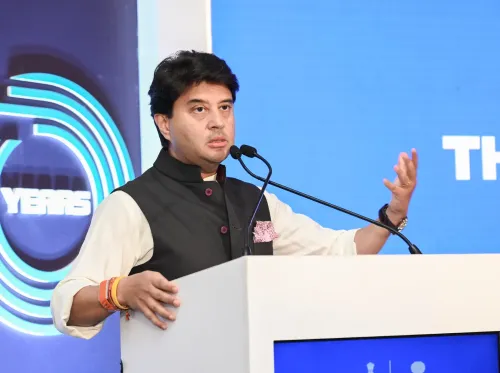
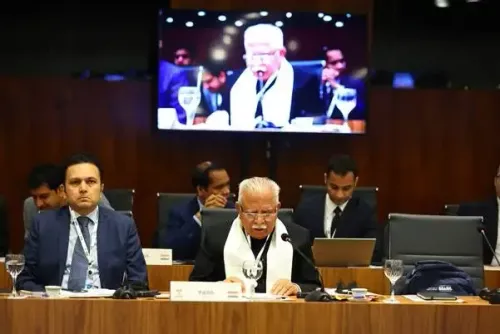
Addressing the Ministerial Meeting, Union Power Minister Manohar Lal emphasised that energy remains fundamental to economic growth, social progress, and human development. He stressed that developing countries require adequate time, resources, and policy space to pursue sustainable development while meeting the legitimate aspirations of their people.
Lal underlined India's commitment to building resilient, future-ready, and people-centric energy systems guided by the principle of 'Energy for All.' He also reaffirmed the importance of respecting national circumstances, development priorities, and individual energy pathways — a position that reflects India's longstanding stance on energy transitions being differentiated rather than uniform.
Broader Energy Cooperation Agenda
Ministers highlighted the importance of balanced and diversified energy mixes, and called for promotion of cleaner, more efficient energy technologies. Cooperation areas identified include new technologies in fossil fuels, renewable energy, biofuels, hydrogen, energy storage, critical minerals, carbon capture, digitalisation, and energy efficiency — with affordable financing underscored as a prerequisite.
Recognising the role of research and youth engagement, the Ministers supported the convening of the BRICS Youth Energy Summit during India's Chairship and reaffirmed their commitment to expanding collaboration through the BRICS ERCP. The grouping also looked ahead to continuing cooperation under the Chairship of China in 2027.
Point of View
But the harder question is whether voluntary knowledge-sharing platforms translate into real energy infrastructure outcomes for the bloc's developing members. BRICS now spans vastly different energy economies — from Russia's fossil-fuel dependence to India's renewable push and China's grid dominance — and a 'voluntary collaborative platform' risks becoming a talking shop without binding commitments or financing mechanisms. The Hydrogen Value Chains report is worth watching: if it moves from framework to funded pilots, it signals genuine multilateral intent. If it joins a shelf of BRICS reports, the Centre's launch will be remembered as ceremony, not substance.
NationPress
24 Sept 2026
Frequently Asked Questions
What is the BRICS Digital Centre of Excellence for Smart Grids and Energy Storage?
It is a voluntary collaborative platform launched under the BRICS Energy Research Cooperation Platform (ERCP) during the 11th BRICS Energy Ministers' Meeting in Gurugram. The Centre aims to facilitate knowledge sharing, capacity building, exchange of policy and regulatory best practices, and development of pilot initiatives among BRICS countries.
What was adopted at the 11th BRICS Energy Ministers' Meeting?
The meeting adopted a Joint Communique reflecting BRICS nations' collective vision on energy security, sustainability, innovation, and resilient infrastructure. It also adopted the BRICS Guiding Principles on Smart Grids and Energy Storage and endorsed updated Terms of Reference for the BRICS ERCP.
What did Union Power Minister Manohar Lal say at the meeting?
Minister Manohar Lal emphasised that energy is fundamental to economic growth and human development, and stressed that developing countries need adequate time, resources, and policy space for sustainable development. He highlighted India's commitment to 'Energy for All' and building people-centric, future-ready energy systems.
What is the BRICS Joint Report on Hydrogen Value Chains 2026?
It is a report currently being finalised by BRICS nations that is expected to provide a foundation for enhanced cooperation on hydrogen technologies, standards, industrial applications, and future value chains. Ministers at the Gurugram meeting appreciated progress on its finalisation.
Who will chair BRICS energy cooperation next?
China will assume the BRICS Chairship in 2027. Ministers at the 11th meeting reaffirmed their commitment to continuing energy cooperation under China's upcoming Presidency.