CM Nitish to Partner Dadhichi Dehdan Samiti for Organ Donation Push
Synopsis
Bihar CM Nitish Kumar has announced that the Dadhichi Dehdan Samiti will be integrated into the state's health system to raise organ donation awareness through members placed at district and sub-divisional hospitals across the state.
Key Takeaways
Bihar CM Nitish Kumar announced a plan to make Dadhichi Dehdan Samiti a formal partner in the state's health system.
Samiti members will be deployed at district and sub-divisional hospitals to run organ donation awareness campaigns.
The initiative aims to address chronic shortfalls in organ donation consent rates across Bihar.
The Transplantation of Human Organs and Tissues Act, 1994 provides the national legal framework under which such efforts operate.
Formal operational details — including any MoU or timeline — are yet to be made public.
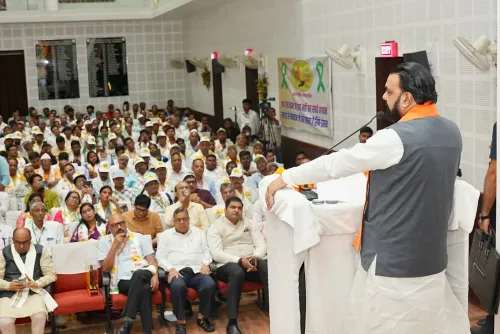
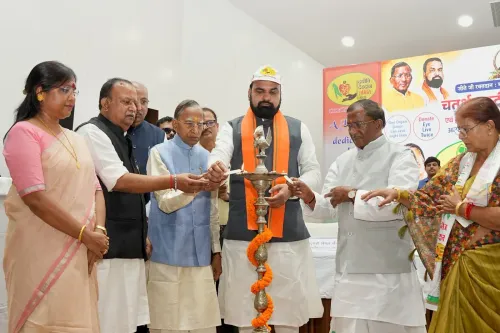
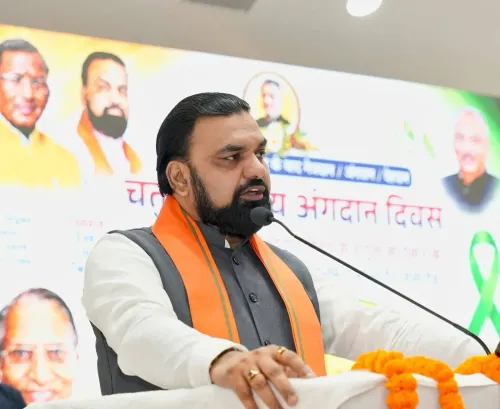
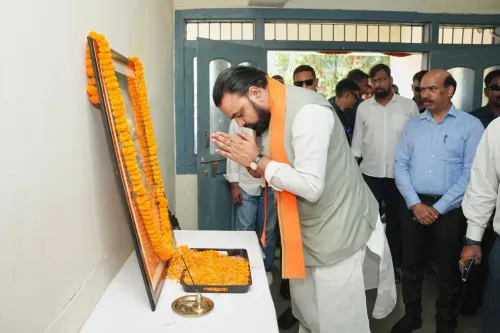
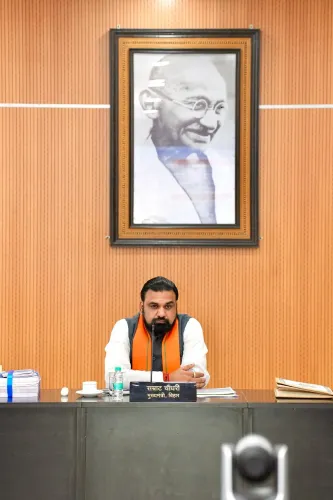
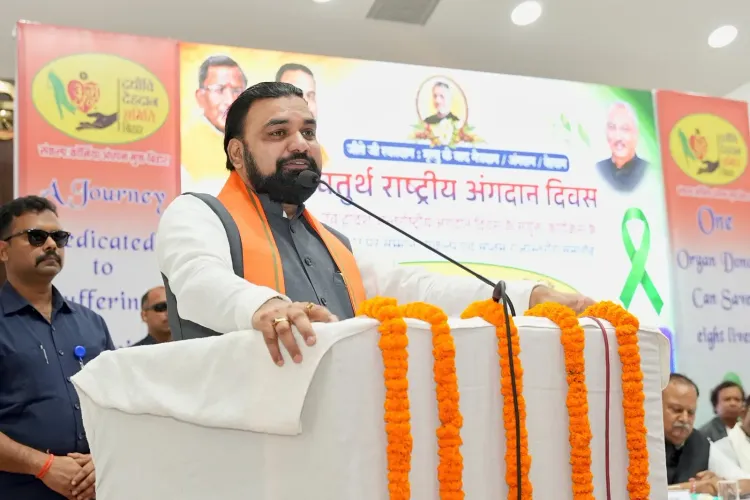
Millions of Indians await organ transplants that never come — and Bihar's Chief Minister Nitish Kumar wants to change that calculus at the grassroots. The Chief Minister's Office of Bihar announced on Sunday, 9 August 2026 that the state will formally integrate the Dadhichi Dehdan Samiti into Bihar's public health system to drive organ donation awareness from the district level upward.
The CM's statement, shared by the official @officecmbihar handle, reads: 'An initiative will be taken to make the Dadhichi Dehdan Samiti a partner in Bihar's health system. Through the Samiti's members at the district and sub-divisional hospital level, people will be made aware of the importance of organ donation.'
Why the Dadhichi Dehdan Samiti Matters
The Dadhichi Dehdan Samiti draws its name from the mythological sage Dadhichi, who gave his bones to the gods to forge a divine weapon — an origin story that makes organ donation feel culturally resonant rather than alien. The NGO has built its outreach on exactly that emotional bridge, working to dissolve the hesitation around body and organ donation that persists across communities.
India's legal backbone for organ donation — the Transplantation of Human Organs and Tissues Act, 1994 — has been in place for over three decades. Yet awareness and consent rates remain far below demand. Bringing an established civil-society organisation into the formal health machinery is a practical workaround: government hospitals provide the footprint, the Samiti provides the trust.
District Hospitals as the Frontline
The plan targets district and sub-divisional hospitals — the tier of public health infrastructure that most Biharis actually interact with. Placing Samiti members at this level means awareness conversations can happen at the point of care: when families are already inside the health system, and when the idea of donation may carry the most weight.
Bihar has invested steadily in district-level health infrastructure in recent years, and this initiative fits that pattern — using existing facilities as nodes for public education rather than building separate outreach channels from scratch.
The formal contours of the partnership — any memorandum of understanding, operational timelines, or training protocols — are yet to be announced. What to watch: whether a signed agreement follows and how quickly joint awareness sessions begin rolling out at hospitals across the state's 38 districts.
If Bihar gets this right, it could become a replicable model for other large states grappling with the same chronic shortfall between organ supply and patient need.
Point of View
A strategy that sidesteps the state's historically stretched public health workforce. Whether it translates into measurable increases in donor registrations will depend entirely on the rigour of implementation.
NationPress
10 Aug 2026
Frequently Asked Questions
What did Bihar CM Nitish Kumar announce about organ donation?
CM Nitish Kumar announced that the Dadhichi Dehdan Samiti will be made a partner in Bihar's health system, with Samiti members deployed at district and sub-divisional hospitals to raise awareness about organ donation.
What is the Dadhichi Dehdan Samiti?
The Dadhichi Dehdan Samiti is an NGO that promotes organ and body donation awareness, drawing its name from the mythological sage Dadhichi who sacrificed his body for the greater good.
Which hospitals will be covered under Bihar's organ donation awareness plan?
The initiative targets district and sub-divisional hospitals across Bihar, where Samiti members will engage directly with patients and families.
What is the legal framework for organ donation in India?
The Transplantation of Human Organs and Tissues Act, 1994 is the central law governing organ donation and transplantation across India.
Has Bihar signed a formal agreement with Dadhichi Dehdan Samiti?
No formal agreement or MoU has been announced yet. The CM's statement outlines the intent; operational details and timelines are still to be made public.