Bihar CM's Office Calls Organ Donation a 'Great Act of Humanity'
Synopsis
The Chief Minister's Office of Bihar on 9 August 2026 called organ donation a 'great act of service to humanity', urging greater social awareness to help save the lives of people in need of transplants across the state.
Key Takeaways
The Chief Minister's Office of Bihar posted on 9 August 2026 calling organ donation a great act of service to humanity.
The statement urged raising awareness in society so that 'new life can be given to many people in need.' India faces a chronic shortage of transplantable organs, with demand far outstripping supply.
The Transplantation of Human Organs Act, 1994 (amended 2011 ) and the National Organ and Tissue Transplant Organisation (NOTTO) govern India's organ donation framework.
State-level awareness drives are a recognised tool to increase donor registrations and family consent rates.
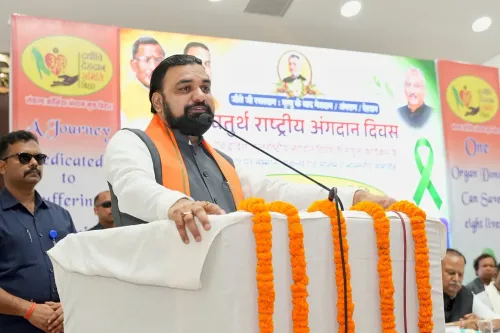
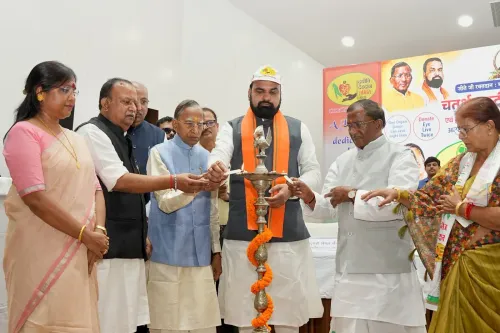
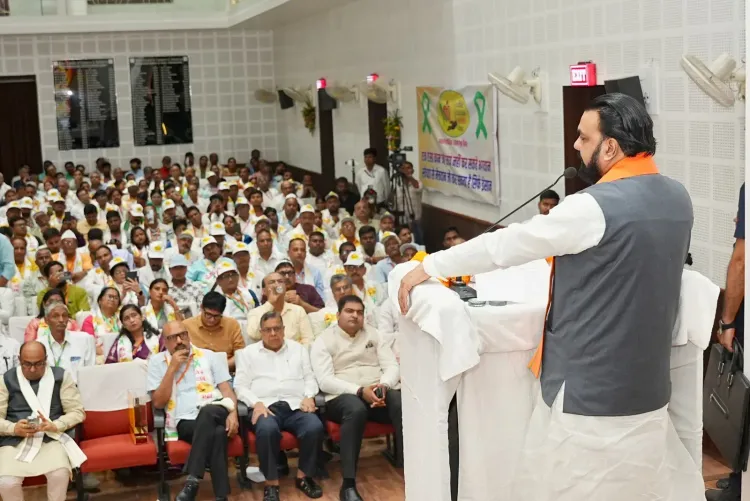
Organ donation can give new life to countless people in need — and the Chief Minister's Office of Bihar is making that case publicly. On Sunday, 9 August 2026, the office shared a statement emphasising that organ donation is a 'great act of service to humanity' and that raising awareness about it across society can open the door to renewed life for many who need it.
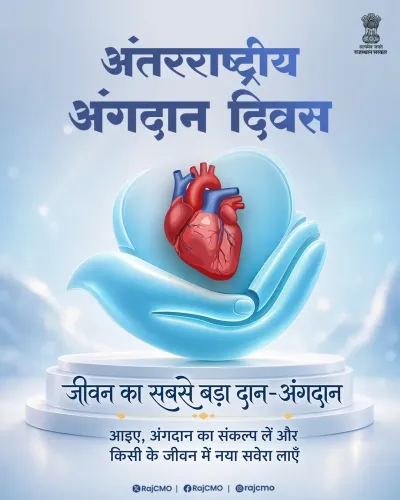
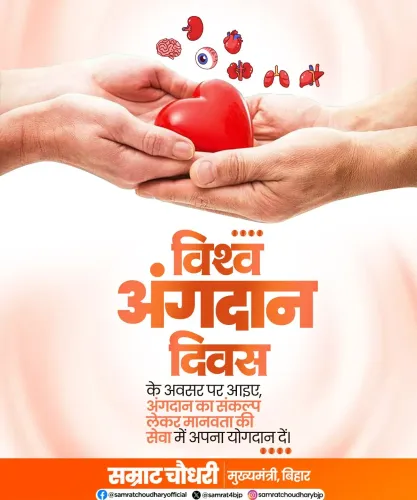
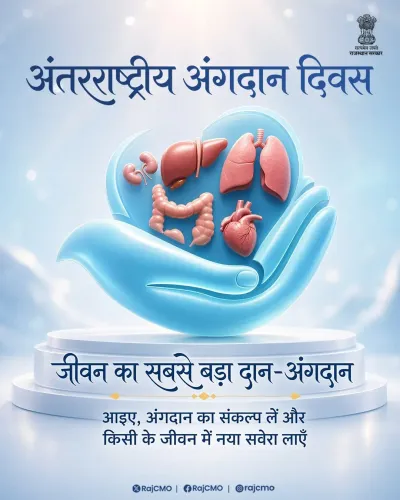
The statement, posted in Hindi, reads: 'Angdan manavta ki seva ka mahan kary hai. Iske prati samaj mein jagrukta badhakar anek zarooratmand logon ko naya jeevan diya ja sakta hai.' ['Organ donation is a great act of service to humanity. By raising awareness about it in society, new life can be given to many people in need.']
India's Organ Shortage Crisis and What State Leadership Can Do
The appeal lands against a sobering backdrop. India faces a chronic, severe shortage of transplantable organs — the gap between patients waiting for a life-saving transplant and the number of available donated organs remains vast. The Transplantation of Human Organs Act, 1994, amended in 2011, provides the legal framework for organ donation and transplantation across the country, and the National Organ and Tissue Transplant Organisation (NOTTO) coordinates the national effort. But legislation alone cannot close the gap — public awareness and cultural willingness to donate are the real bottlenecks. That is precisely where statements from state leadership carry weight. When a Chief Minister's Office frames organ donation as a moral imperative — not just a medical procedure — it signals to citizens, hospitals, and local administrations that the issue deserves active attention. Bihar, with a large population and developing healthcare infrastructure, represents both a significant need and a significant opportunity for expanding donor registrations.A Pattern of State-Level Awareness Pushes
Bihar is not alone in this. Indian states periodically run awareness drives, often timed around national or international health observances, to nudge public sentiment on organ donation. The challenge is converting awareness into action — registered pledges, family consent at the moment of death, and hospital systems equipped to facilitate timely transplants. Watch for follow-up announcements from the Bihar government on hospital tie-ups or organised awareness events that could give this statement operational teeth. Words from the top matter. Whether they translate into a sustained campaign will determine whether this moment becomes a milestone or a footnote.Point of View
High-visibility signal — but its real value lies in what follows. Bihar's large population and still-developing hospital network make it both a critical need-zone and an untapped donor pool. If the Chief Minister's Office backs this rhetoric with structured awareness campaigns or hospital-level protocols, it could meaningfully move Bihar's donor registration numbers. For now, the statement fits a broader pattern of Indian state governments using social media to align with national health priorities without always committing to measurable targets.
NationPress
24 Sept 2026
Frequently Asked Questions
What did the Bihar Chief Minister's Office say about organ donation?
The office stated that organ donation is a 'great act of service to humanity' and that raising awareness about it in society can give new life to many people in need.
What is the legal framework for organ donation in India?
The Transplantation of Human Organs Act, 1994 , amended in 2011 , regulates organ donation and transplantation in India. The National Organ and Tissue Transplant Organisation (NOTTO) coordinates the national effort.
Why is organ donation awareness important in Bihar?
Bihar has a large population and a developing healthcare infrastructure, meaning demand for transplantable organs is high. Public awareness and willingness to donate are key barriers to closing the gap between organ supply and patient need.
How can someone register as an organ donor in India?
Individuals can pledge to donate organs through the NOTTO portal or at designated hospitals. Family consent at the time of death remains critical for the pledge to be acted upon.
Does India have a shortage of organ donors?
Yes. India faces a severe and chronic shortage of transplantable organs, with the number of patients waiting for transplants far exceeding the number of available donated organs each year.