Uttarakhand CMO: Organ Donation Needs Scientific and Spiritual Understanding

Synopsis
The Uttarakhand Chief Minister's Office shared remarks on 27 June 2026 urging that organ donation be understood through both scientific and spiritual lenses, and reaffirming the central government's push to make healthcare more accessible and people-centric across India.
Key Takeaways
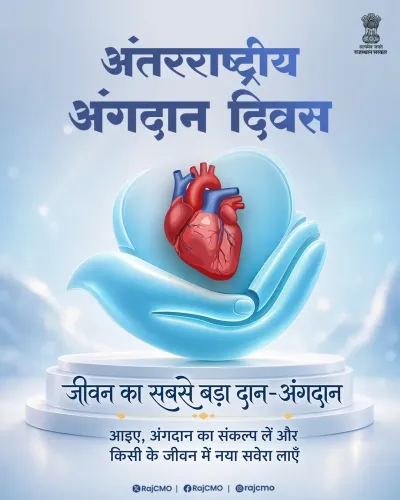
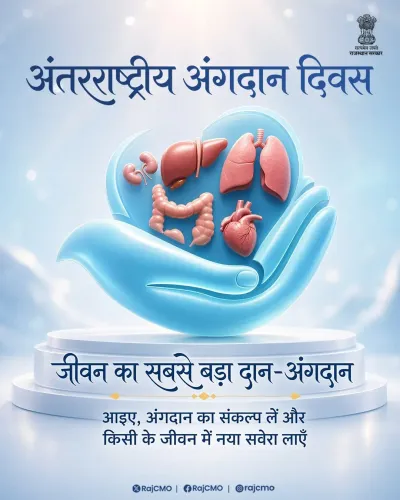
The Uttarakhand CMO posted on 27 June 2026 highlighting organ donation as a means to give new life to critically needy patients.
The remarks called for understanding organ donation from both scientific and spiritual perspectives — a dual-framing approach common in India's donor outreach.
The statement reaffirmed that the Indian government is continuously working to make health services more accessible, effective, and people-centred.
India's organ donation framework is anchored by the Transplantation of Human Organs Act, 1994 and NOTTO , established in 2014.
Ayushman Bharat (2018) supports the broader health infrastructure within which transplant services operate.
Uttarakhand has historically aligned its health campaigns with national missions on organ donation awareness.
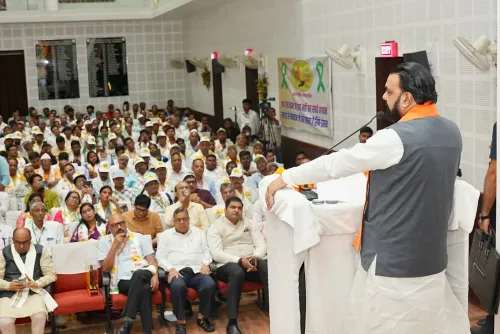
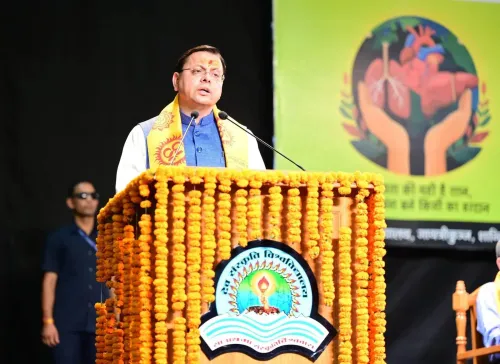
The Chief Minister's Office of Uttarakhand shared remarks on Saturday, 27 June 2026 emphasising that organ donation can give new life to the critically needy and must be understood from both scientific and spiritual perspectives, while underscoring the central government's commitment to making healthcare more accessible and people-centric.
Context
The post, shared from the official @ukcmo account, quoted a speaker as saying that organ donation is a means 'jiske madhyam se gambhir roop se zarooratmand logon ko naya jeevan pradan kiya ja sakta hai' ('through which new life can be given to the critically needy'). The remarks also stressed that India's government is continuously working to make health services more accessible, effective, and people-centred. The statement appears to have been made at a public event or awareness drive, though the specific occasion and speaker have not been identified in the post.
Policy Backdrop
India's framework for organ donation rests on the Transplantation of Human Organs Act, 1994, which created the legal architecture for ethical organ retrieval and prohibited commercial dealings. The National Organ and Tissue Transplant Organisation (NOTTO), established in 2014 under the National Organ Transplant Programme, coordinates donor-recipient matching and maintains national registries. Despite this infrastructure, India's deceased donor rates remain among the lowest globally, making awareness campaigns a recurring priority for state and central governments alike.
The Ayushman Bharat scheme, launched in 2018, has sought to expand health insurance coverage and strengthen secondary and tertiary care infrastructure — the same ecosystem that supports transplant services. Uttarakhand has aligned its health outreach with these national missions, periodically running local awareness drives on organ donation.
Stakeholders and Impact
The primary beneficiaries of increased organ donation are patients awaiting transplants — a population that faces critical waiting periods for kidneys, livers, hearts, and other organs. The messaging from the Uttarakhand CMO targets potential donors and their families, seeking to bridge cultural hesitancy by framing organ donation within both a scientific rationale and a spiritual one. State health departments, NOTTO-affiliated hospitals, and civil society groups engaged in donor registration are all direct stakeholders in such campaigns.
Blending scientific and spiritual arguments is a recognised strategy in India's organ donation outreach, given the role of religious and philosophical beliefs in family-level decisions about deceased donation. The dual framing — medical necessity alongside moral virtue — reflects a broader national pattern in how governments communicate on this issue.
What's Next
Further state-level organ donation registration drives and possible integration with Ayushman Bharat-empanelled hospitals may follow such public messaging. Updates on amendments to transplant regulations or fresh targets from NOTTO could appear in upcoming health ministry communications. Uttarakhand's continued alignment with central health missions signals that organ donation awareness is likely to remain a recurring theme in the state's public health agenda, with the potential to translate into concrete registration and infrastructure goals.
Point of View
The communication positions the issue within the Ayushman Bharat ecosystem rather than as a standalone campaign. This signals an intent to institutionalise awareness rather than treat it as episodic. The move fits a broader pattern of states using high-visibility social media posts to set the tone for registration drives and hospital-level outreach that typically follow.
NationPress
26 Sept 2026
Frequently Asked Questions
What did the Uttarakhand CMO say about organ donation?
The Uttarakhand Chief Minister's Office shared remarks on 27 June 2026 stating that organ donation can give new life to critically needy patients and must be understood from both scientific and spiritual perspectives.
What is NOTTO and how does it relate to organ donation in India?
NOTTO, the National Organ and Tissue Transplant Organisation, was established in 2014 to coordinate organ donor-recipient matching and maintain national transplant registries, forming the backbone of India's organ donation infrastructure.
How does Ayushman Bharat support organ transplants in India?
Ayushman Bharat, launched in 2018, expands health insurance coverage and strengthens secondary and tertiary care infrastructure, which includes hospitals that perform transplant procedures.
Why is organ donation awareness important in India?
India has one of the lowest deceased organ donor rates globally, meaning thousands of patients wait critically for transplants. Awareness campaigns aim to address cultural hesitancy and increase donor registrations.
What law governs organ donation in India?
The Transplantation of Human Organs Act, 1994 provides the legal framework for ethical organ retrieval and transplantation in India, and explicitly prohibits commercial dealings in human organs.