CM Dhami Links Organ Donation to Sanatan Values, Urges Mass Movement
Synopsis
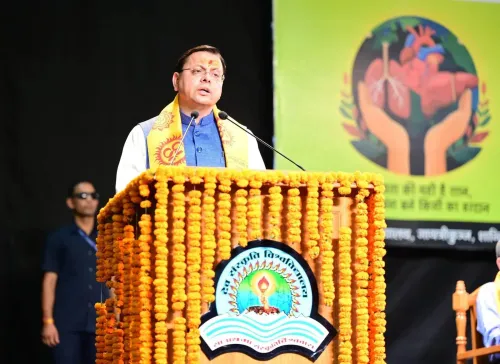
Chief Minister Pushkar Singh Dhami on 27 June 2026 called for organ donation to become a nationwide people's movement, grounding his appeal in India's Sanatan values of sacrifice, service, and altruism, and citing rising donor numbers driven by growing public awareness.
Key Takeaways
CM Pushkar Singh Dhami addressed organ donation on 27 June 2026 , urging janbhagidari (people's participation) to build a mass movement.
He cited India's Sanatan culture — rooted in sacrifice, dedication, service, and altruism — as the philosophical basis for organ donation.
The Chief Minister noted that increased awareness has already contributed to a rise in the number of organ donors across India .
NOTTO , established in 2014 , is the apex national body coordinating organ donation and transplantation activities under the Ministry of Health and Family Welfare .
India's deceased organ donation rate remains well below global averages, making state-level awareness drives a critical component of the national strategy.
Uttarakhand's cultural framing of donation as daan and seva mirrors a broader pattern seen across multiple Indian states since the mid-2010s.
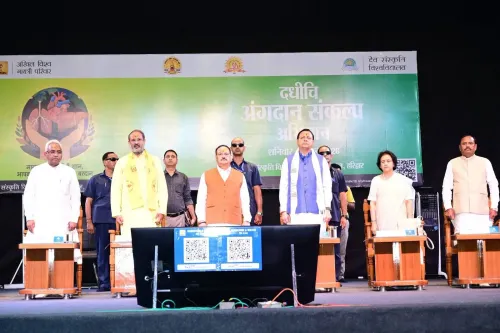
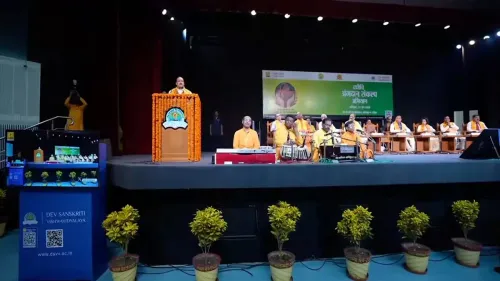
The Chief Minister's Office of Uttarakhand shared remarks by Chief Minister Pushkar Singh Dhami on Saturday, 27 June 2026, invoking India's Sanatan cultural tradition to build public momentum around organ donation and calling for broader civic participation to transform the cause into a mass movement.
Context
Speaking on the occasion, CM Dhami stated that growing awareness had already led to an increase in the number of organ donors across the country. He called for janbhagidari (people's participation) to convert the initiative into a vyapak jan andolan — a wide-scale people's movement. The Chief Minister's Office quoted him as saying: 'India's Sanatan culture has been rooted in the great tradition of sacrifice, dedication, service, and altruism.'
The remarks reflect a deliberate effort by the Uttarakhand government to frame organ donation not merely as a medical or administrative matter but as an expression of deeply held cultural and spiritual values.
Policy Backdrop
India's organ donation ecosystem is governed by the Transplantation of Human Organs Act, 1994, and its 2011 amendment, which together provide the legal framework for the removal, storage, and transplantation of human organs. The National Organ and Tissue Transplant Organisation (NOTTO), established in 2014 under the Ministry of Health and Family Welfare, serves as the apex national body coordinating donor registries, networking, and awareness campaigns.
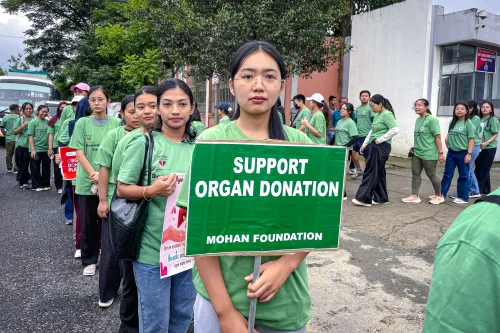
Despite this institutional architecture, India's deceased organ donation rate remains significantly below global averages. State governments and civil society organisations have, since the mid-2010s, run sustained awareness drives to bridge this gap. Linking donation messaging to cultural concepts such as seva (service) and daan (giving) has become a recognisable strategy across several states to encourage voluntary pledges.
Stakeholders and Impact
The primary beneficiaries of any surge in organ donation are the thousands of patients across India who are on transplant waiting lists for kidneys, livers, hearts, and other organs. Voluntary donors and their families are the other key stakeholders, as the decision to donate often rests on cultural comfort and informed awareness rather than policy alone.
Uttarakhand's approach of anchoring the appeal in Sanatan values is intended to reduce hesitancy among communities that may associate organ donation with religious or cultural concerns. By positioning donation as an act consistent with the tradition of parmarth (altruism), the state aims to expand the pool of willing donors beyond those already reached by conventional health communication.
What's Next
Observers will watch for follow-up notifications from the Uttarakhand Health Department translating these remarks into structured awareness drives, donor registration camps, or coordination with NOTTO's revised guidelines on state-level donor registries. Whether the cultural framing translates into measurable increases in pledges will be the key metric for the initiative's success.
Point of View
Recognising that cultural legitimacy often travels further than policy directives in shaping public behaviour. By framing donation as parmarth and seva, the Uttarakhand government is attempting to dissolve religious or cultural hesitancy that has historically suppressed voluntary pledges. This approach fits a broader pattern of Indian state governments using civilisational narratives to accelerate public health goals — a strategy that can be effective but also risks reducing a complex medical and ethical issue to a singular cultural lens. The real test will be whether the rhetoric is backed by administrative machinery: donor registration infrastructure, hospital-level counselling, and coordination with NOTTO's national registry.
NationPress
26 Sept 2026
Frequently Asked Questions
What did CM Pushkar Singh Dhami say about organ donation?
CM Dhami stated that India's Sanatan culture, grounded in sacrifice, service, and altruism, provides a strong basis for organ donation, and called for people's participation to make it a wide-scale mass movement across the country.
What is NOTTO and what role does it play in organ donation in India?
NOTTO, or the National Organ and Tissue Transplant Organisation, was established in 2014 under the Ministry of Health and Family Welfare. It serves as the apex national body coordinating organ donation registries, networking between hospitals, and public awareness campaigns.
Why is organ donation rate low in India?
India's deceased organ donation rate is significantly lower than global averages due to a combination of cultural hesitancy, lack of awareness, insufficient hospital infrastructure for deceased donor programmes, and low rates of family consent at the time of death.
What is the legal framework for organ donation in India?
Organ donation in India is governed by the Transplantation of Human Organs Act, 1994 , and its 2011 amendment , which regulate the removal, storage, and transplantation of human organs and tissues and prohibit commercial transactions.
How can I register as an organ donor in India?
Indian citizens can register as organ donors through the NOTTO portal or through state-level transplant organisations. Many states also conduct registration camps at hospitals, government offices, and public events.