How PM’s 'Mann Ki Baat' is Enhancing Organ Donation Awareness?
Synopsis
In a recent episode of Mann Ki Baat, PM Modi's advocacy for organ donation has sparked significant awareness and engagement across India. NOTTO Director Anil Kumar emphasizes the need for public participation and highlights real-life success stories that inspire compassion and action towards this vital cause.
Key Takeaways
Organ donation saves lives .
Public awareness is crucial for increasing donations .
Real-life success stories inspire action .
Community involvement can bridge the gap in organ availability .
Government and public collaboration is essential .
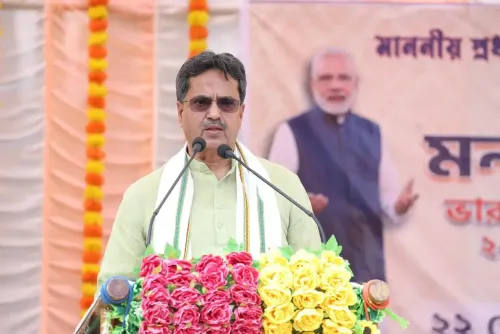
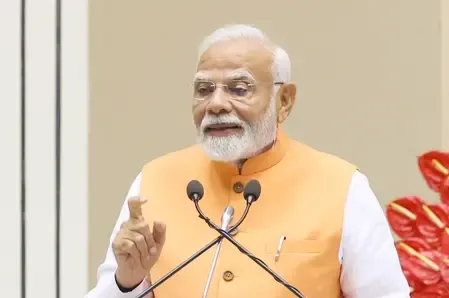
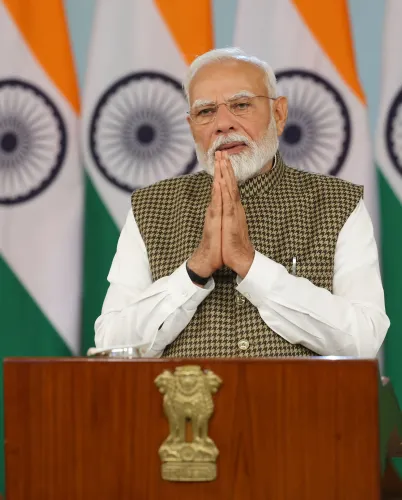
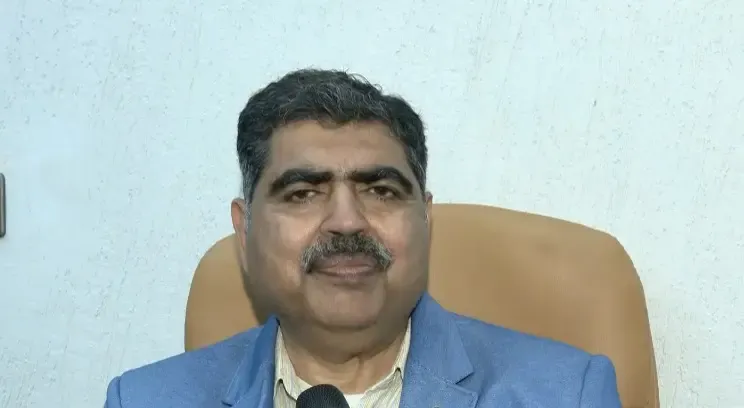
New Delhi, Feb 22 (NationPress) Underlining the critical role of organ donation in saving lives, National Organ & Tissue Transplant Organisation (NOTTO) Director Anil Kumar praised Prime Minister Narendra Modi for his recent advocacy during the latest episode of Mann Ki Baat. He referred to this initiative as a “noble campaign” capable of significantly elevating public awareness and involvement nationwide.
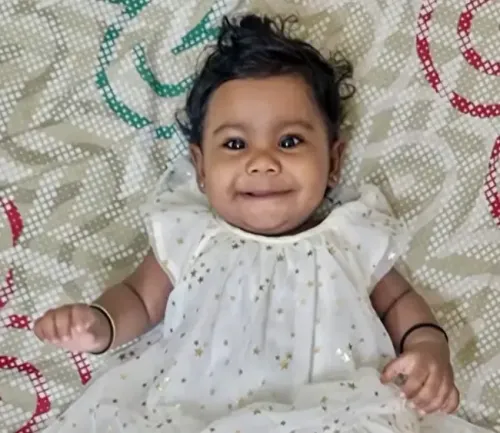
In an interview with IANS, following the 131st installment of the monthly broadcast, Anil Kumar remarked that the Prime Minister’s focus on real-life success stories, such as that of a 10-month-old infant whose organs were able to save four individuals, conveys a poignant message to society.
“This campaign is indeed a noble initiative, for which we express our heartfelt gratitude to the Prime Minister. By showcasing such motivational examples, he has underscored the pressing need for organ donation and public engagement,” he stated.
The NOTTO chief emphasized that compelling narratives can dismantle reluctance, misconceptions, and social stigmas linked to organ donation, motivating families to view donation as a compassionate act that can provide numerous patients with a renewed chance at life.
He reiterated that organ donation should transcend societal divisions. “Everyone must participate, irrespective of community, caste, or religion. This is a humanitarian issue that benefits society as a whole,” he asserted.
Discussing advancements in India’s transplant ecosystem, Anil Kumar highlighted that the nation now boasts an integrated national network that connects transplant hospitals, organ retrieval centers, tissue banks, state authorities, and regional organizations via a single digital platform. This framework, he claimed, boosts coordination, transparency, and fair distribution of organs.
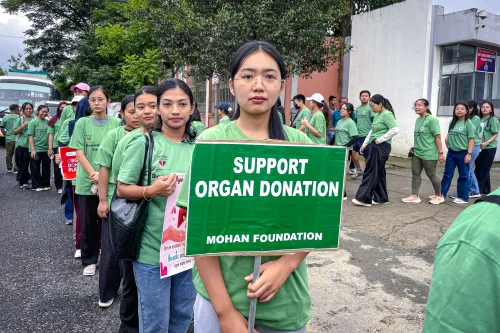
He further emphasized the need for “Jan Bhagidari”, or public participation, in cultivating a robust national movement. Anil Kumar believes that continuous governmental attention, alongside community involvement and awareness initiatives at the grassroots level, is vital to reconcile the disparity between organ demand and availability.
“Success stories of transplant recipients returning to active lives not only inspire trust but also bolster medical research and healthcare outcomes,” he added.
Anil Kumar mentioned that NOTTO is committed to utilizing the Prime Minister’s appeal to broaden outreach programs across the nation, ensuring ethical practices, transparency, and greater accessibility to transplantation services.
Point of View
It is essential to recognize the impact of initiatives like PM Modi's Mann Ki Baat on society's understanding of critical issues such as organ donation. This campaign serves as a reminder of our collective responsibility to support humanitarian causes, fostering a culture of compassion and awareness that can ultimately save lives. The commitment of NOTTO to align with this movement underscores the importance of collaboration between government and community to address public health challenges effectively.
NationPress
2 Oct 2026
Frequently Asked Questions
Why is organ donation important?
Organ donation is vital as it saves lives and improves the quality of life for those suffering from organ failure. It provides patients with a second chance, allowing them to lead healthier and more fulfilling lives.
How can I become an organ donor?
You can become an organ donor by registering with your local organ donation registry or expressing your wishes to family members. It's essential to ensure that your decision is documented and known to those close to you.
What are the myths surrounding organ donation?
Common myths include misconceptions about the impact on funeral arrangements, the belief that doctors won't try as hard to save donor patients, and fears about the donation process. Education is key to dispelling these myths.
How does PM Modi's appeal help organ donation?
PM Modi's appeal raises awareness and encourages discussions around organ donation, helping to normalize the topic. By sharing success stories, it inspires individuals and families to consider donating organs.
What initiatives are in place to improve organ donation in India?
India has developed an integrated national network for organ transplantation that connects hospitals, retrieval centers, and tissue banks, enhancing coordination and accessibility. Community engagement initiatives also promote awareness.