CM Dhami Pushes Organ Donation Network in Uttarakhand
Synopsis
Uttarakhand Chief Minister Pushkar Singh Dhami has announced the development of the state's first government tissue transplant centre at Doon Medical College in Dehradun, alongside a network of organ banks and district-level donation centres, to address the state's low organ donation rate.
Key Takeaways
Uttarakhand CM Pushkar Singh Dhami announced on 27 June 2026 a state-wide push to strengthen organ donation and transplantation infrastructure.
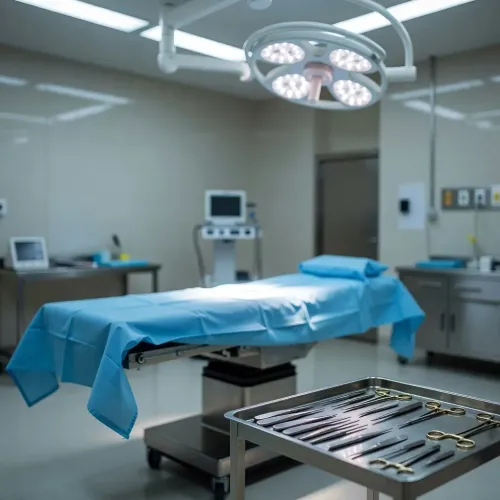
The state's first government tissue transplant centre will be developed at Doon Medical College, Dehradun .
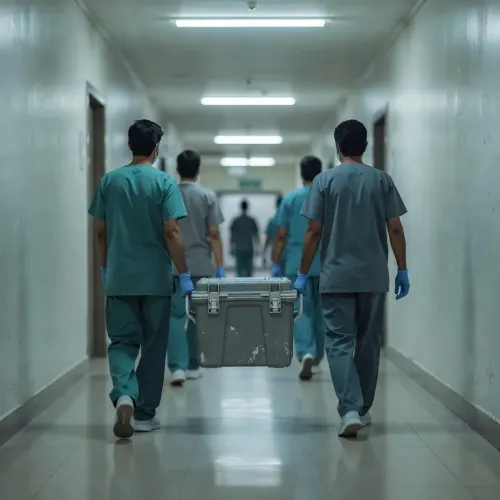
A network of organ transplant centres, organ banks, and district-level organ donation centres is being built to ensure timely organ availability.
India's organ donation rate is below 1 per million population , making state-level infrastructure expansion critical.
NOTTO , established in 2014 , provides the national coordination framework into which Uttarakhand's new centres will need to be integrated.
The move follows similar public-sector transplant infrastructure built by Tamil Nadu, Maharashtra, and Kerala over the past decade.
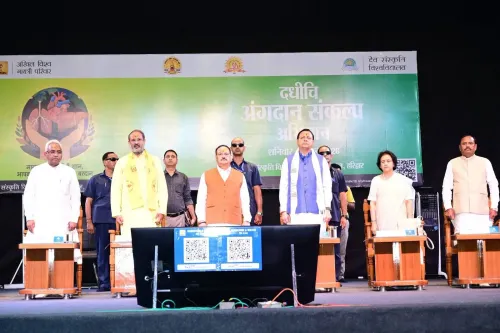
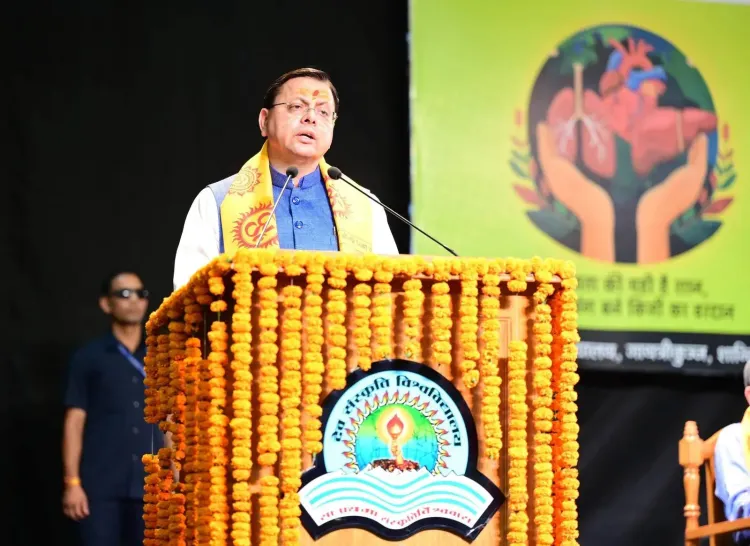
Uttarakhand Chief Minister Pushkar Singh Dhami on Saturday, 27 June 2026, announced a concerted push to strengthen the state's organ donation and transplantation infrastructure, including the development of Uttarakhand's first government tissue transplant centre at Doon Medical College in Dehradun.
Context
CM Dhami posted in Hindi on X, framing the initiative within India's cultural ethos of selfless service. He wrote: 'Bharat ki sanatan sanskriti tyag, samarpan, seva aur parmarth ki mahan parampara par aadharit rahi hai' — 'India's Sanatan culture has always been rooted in the great tradition of renunciation, dedication, service and altruism.' He added that if any part of the body can give a new life to a needy person even after death, there can be no greater act of human welfare.
The announcement signals a formal policy commitment from the state government to move beyond awareness campaigns toward building physical and administrative infrastructure for organ and tissue procurement.
Policy Backdrop
India's organ transplant ecosystem is governed by the Transplantation of Human Organs and Tissues Act, 1994, substantially amended in 2011 and 2014 to widen the definition of permissible donors and strengthen regulatory oversight. At the national level, the National Organ and Tissue Transplant Organisation (NOTTO) was established in 2014 under the Directorate General of Health Services to coordinate procurement and distribution across states.
The National Organ Transplant Programme, launched in 2016 by the Union Ministry of Health, specifically tasked states with creating regional organ and tissue banks and district-level awareness and retrieval nodes. Despite this framework, India's deceased-donor rate remains below 1 per million population — far behind global benchmarks — making state-level infrastructure the critical bottleneck.
Stakeholders and Impact
Doon Medical College, a government institution in Dehradun, has been identified as the anchor facility for the state's first government tissue transplant centre. The broader network being developed includes organ transplant centres, organ banks, and district-level organ donation centres to ensure timely availability of organs to patients across Uttarakhand.
The beneficiaries span transplant patients awaiting kidneys, corneas, and other tissues, as well as donor families who currently lack accessible institutional support at the district level. Uttarakhand's move mirrors steps already taken by Tamil Nadu, Maharashtra, and Kerala, which have built more mature state-run organ procurement networks over the past decade.
What's Next
The immediate milestone to watch is the licensing and operationalisation of the Doon Medical College tissue transplant centre by the state's designated appropriate authority under the 1994 Act. Once licensed, the centre would need to be integrated with NOTTO's national registry to enable cross-state organ sharing under the national allocation protocol.
If the district-level network is operationalised as announced, Uttarakhand could meaningfully improve its deceased-donor identification rate — a metric that has historically lagged in hill states due to limited tertiary hospital infrastructure. The initiative could also set a template for other smaller states seeking to build public-sector transplant capacity from the ground up.
Point of View
Cross-partisan appeal in a state where religious identity is politically significant. By anchoring the initiative at a government college rather than a private hospital, the BJP-led administration signals an intent to democratise access to transplantation, which has historically been the preserve of urban, well-resourced patients. The move also positions Uttarakhand to catch up with southern states that have built functioning state organ procurement organisations, and could yield measurable health outcomes that strengthen the government's record ahead of future electoral cycles. The real test, however, will be the speed of licensing and the actual operationalisation of district-level nodes — infrastructure announcements in the health sector frequently stall at the implementation stage.
NationPress
26 Sept 2026
Frequently Asked Questions
What did Uttarakhand CM Dhami announce about organ donation?
CM Pushkar Singh Dhami announced that Uttarakhand is developing its first government tissue transplant centre at Doon Medical College in Dehradun, along with organ transplant centres, organ banks, and district-level organ donation centres across the state.
Where will Uttarakhand's first government tissue transplant centre be built?
The state's first government tissue transplant centre will be established at Doon Medical College in Dehradun, Uttarakhand.
What is India's organ donation rate?
India's deceased-donor organ donation rate remains below 1 per million population, one of the lowest among countries with a formal transplant regulatory framework.
Which law governs organ transplantation in India?
The Transplantation of Human Organs and Tissues Act, 1994 — amended in 2011 and 2014 — is the central legislation governing the removal, storage, and transplantation of human organs and tissues in India.
Which other Indian states have government organ procurement networks?
Tamil Nadu, Maharashtra, and Kerala are among the states that have built more mature government-run organ procurement and transplantation networks, which Uttarakhand is now seeking to emulate.