CM Dhami Expands Organ Transplant Network Across Uttarakhand
Synopsis
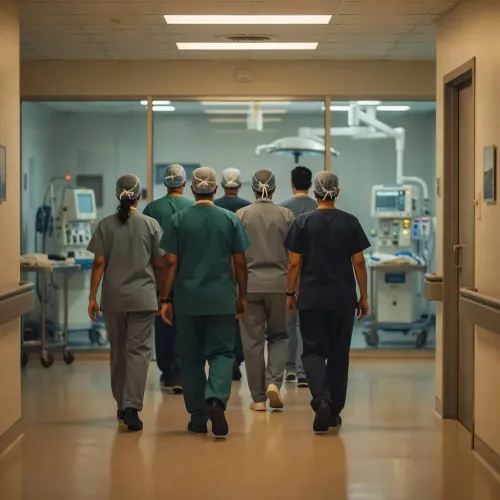
Chief Minister Pushkar Singh Dhami has announced Uttarakhand's first government tissue transplant centre at Doon Medical College, Dehradun, alongside a state-wide network of organ transplant centres, organ banks, and district-level donation units to improve timely organ access for patients.
Key Takeaways
Uttarakhand's first government tissue transplant centre is being established at Doon Medical College, Dehradun .
The state is developing a multi-tiered network of organ transplant centres, organ banks, and district-level organ donation units .
The initiative aims to ensure timely organ availability for patients in need across the state.
Chief Minister Pushkar Singh Dhami made the announcement, signalling a push to decentralise transplant services.
The move aligns with the national framework set by NOTTO and the Transplantation of Human Organs and Tissues Act, 1994 .
The plan could reduce Uttarakhand patients' dependence on transplant facilities in Delhi and Chandigarh .
The Chief Minister's Office of Uttarakhand announced on Saturday, 27 June 2026 that Chief Minister Pushkar Singh Dhami has outlined plans to build a comprehensive organ and tissue transplant infrastructure across the state, anchored by the establishment of Uttarakhand's first government tissue transplant centre at Doon Medical College, Dehradun.
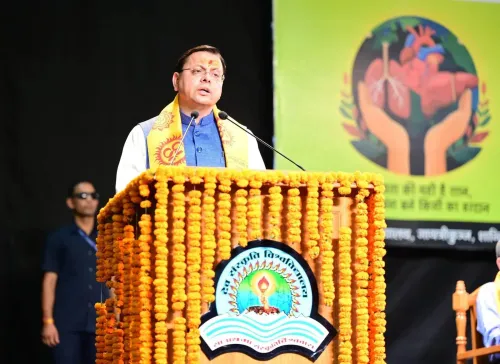
Speaking on the initiative, CM Dhami stated that a network of organ transplant centres, organ banks, and district-level organ donation units is being developed — with the Doon Medical College facility serving as the flagship — so that organs can be made available to those in need in a timely manner. In his words: 'jrooratmando ko samay par ang upalabdh ho sake' ('so that organs can be made available to those in need on time').
Context
Uttarakhand has long faced challenges in organ availability due to limited specialised infrastructure and low deceased donor rates, a problem common across many Indian states. The announcement positions Doon Medical College — the state's prominent government medical institution in Dehradun — as the nucleus of a new transplant ecosystem. A dedicated tissue transplant centre here would be the first of its kind in the state government's network.
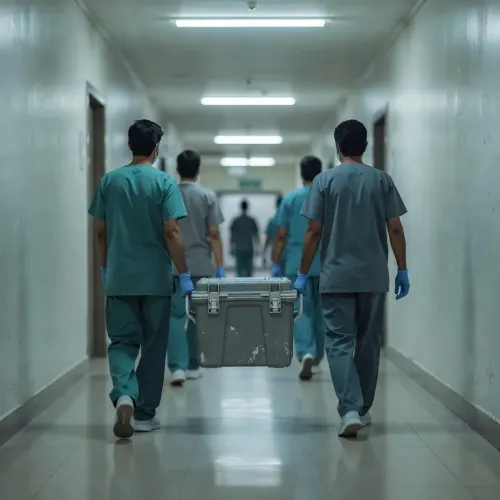
The broader plan envisions a multi-tiered structure: apex transplant facilities, organ banks for storage and allocation, and grassroots-level donation centres at the district level. This layered approach is designed to reduce the distance and time between donor identification and recipient surgery.
Policy Backdrop
India's organ donation and transplantation framework is governed by the Transplantation of Human Organs and Tissues Act, 1994, which established the legal basis for deceased and living donor transplants. In 2014, the central government set up the National Organ and Tissue Transplant Organisation (NOTTO) under the Ministry of Health and Family Welfare to coordinate a national network of transplant centres and state-level bodies.
India's deceased organ donation rate remains critically low relative to the size of the population and the scale of organ failure cases. States have increasingly been encouraged to build decentralised, NOTTO-aligned infrastructure to close this gap. Uttarakhand's initiative reflects this national push, mirroring similar projects undertaken in larger states to bring transplant services closer to patients.
Stakeholders and Impact
The primary beneficiaries are patients suffering from end-stage organ failure — including kidney, liver, heart, and corneal conditions — who currently face long wait times or must travel to distant cities for transplant procedures. District-level organ donation centres, once operational, could also significantly improve donor registration and family consent rates in smaller towns and rural areas of Uttarakhand.
State hospitals and their medical staff will require capacity building — trained transplant surgeons, coordinators, and preservation logistics — to make the network functional. The plan, if executed, would reduce the state's dependence on transplant facilities in metros such as Delhi and Chandigarh.
What's Next
Operational timelines for the Doon Medical College tissue transplant centre and the rollout of district-level nodes have not yet been publicly detailed. Authorities are expected to announce construction schedules, funding allocations, and staffing plans as the project progresses. Complementary donor awareness campaigns and a state organ donor registry drive are also anticipated as part of the broader ecosystem. The success of the network will ultimately hinge on public participation in organ donation — making community outreach as critical as the physical infrastructure itself.
Point of View
The state is attempting to build a self-sufficient transplant ecosystem rather than relying on ad-hoc referrals to metros. The initiative fits a broader national pattern where NOTTO-aligned decentralisation is becoming the standard playbook for states with limited transplant capacity. The real test, however, will be execution: staffing, funding, and public donor registration drives will determine whether this network delivers on its promise or remains aspirational infrastructure.
NationPress
26 Sept 2026
Frequently Asked Questions
What is Uttarakhand's first government tissue transplant centre?
It is a new specialised facility being set up at Doon Medical College in Dehradun , announced by CM Pushkar Singh Dhami , and will be the first tissue transplant centre in the state government's health network.
What is the organ donation network CM Dhami announced?
CM Dhami announced a state-wide network comprising organ transplant centres, organ banks, and district-level organ donation units to ensure patients across Uttarakhand can access organs in a timely manner.
Which law governs organ donation in India?
The Transplantation of Human Organs and Tissues Act, 1994 is the primary law governing organ and tissue donation and transplantation in India, supplemented by coordination through NOTTO since 2014.
What is NOTTO and how does it relate to this initiative?
NOTTO (National Organ and Tissue Transplant Organisation) is the apex national body under the Ministry of Health and Family Welfare that coordinates organ donation networks. Uttarakhand's new infrastructure aligns with NOTTO's guidelines for state-level transplant ecosystems.
Why is organ donation infrastructure important in Uttarakhand?
India has a very low deceased organ donation rate relative to demand, and Uttarakhand lacks sufficient local transplant facilities, forcing patients to travel to cities like Delhi and Chandigarh . The new network aims to address this gap within the state.