CM Dhami Steers Medical Education Push in Uttarakhand
Synopsis
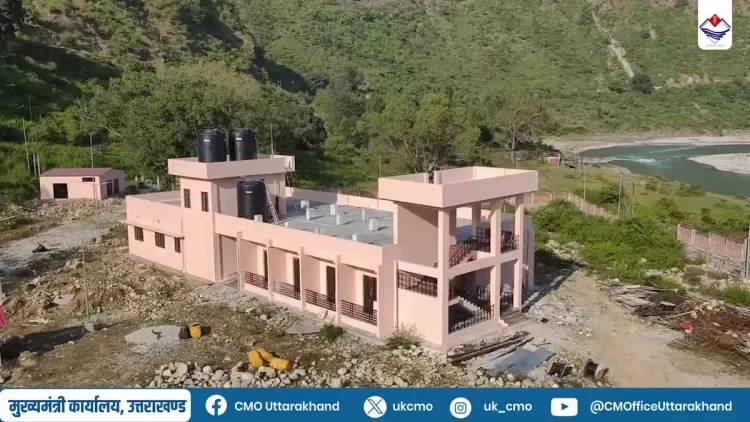
The Chief Minister's Office of Uttarakhand has announced that medical education in the state is gaining new momentum under CM Pushkar Singh Dhami, with Rudraprayag district highlighted as part of a wider push to decentralise medical training across the Himalayan state.
Key Takeaways
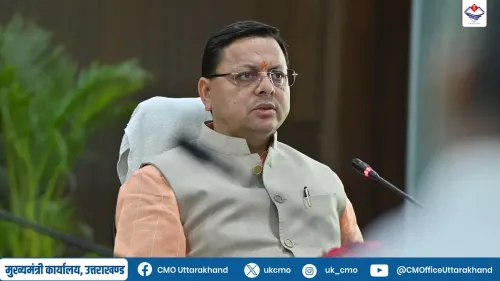
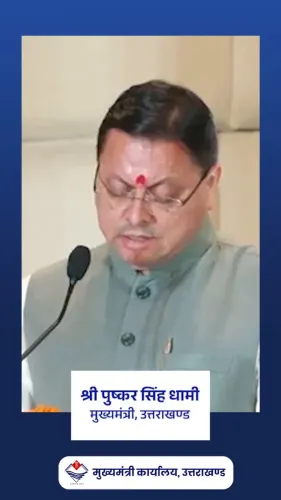
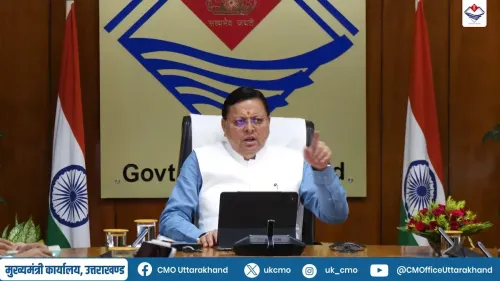
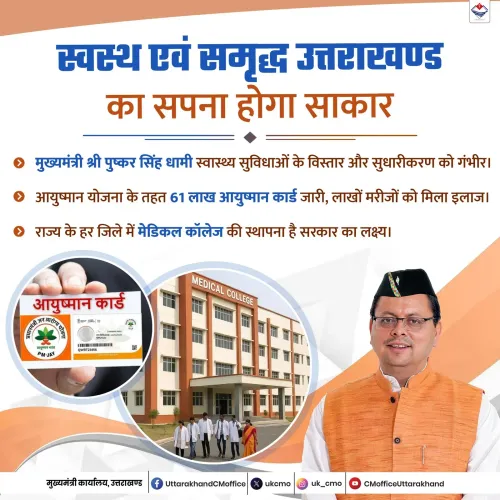
The Chief Minister's Office of Uttarakhand announced on 10 July 2026 that medical education is receiving a 'new direction' under CM Pushkar Singh Dhami .
Rudraprayag , a Garhwal hill district with historically limited tertiary healthcare, is specifically highlighted in the state's medical education push.
Uttarakhand's earlier medical education milestone was the establishment of AIIMS Rishikesh under the Pradhan Mantri Swasthya Suraksha Yojana , operational since around 2012 .
The initiative aims to decentralise medical training beyond Dehradun and Rishikesh , addressing chronic doctor shortages in remote hill districts.
Key stakeholders include medical aspirants from hill districts and rural healthcare workers across Uttarakhand's 13 districts .
Upcoming state budget announcements on new college sanctions and MBBS counselling cycles will be the next indicators of progress.
The Chief Minister's Office of Uttarakhand announced on Friday, 10 July 2026 that medical education in the state is receiving a new direction under the leadership of Chief Minister Pushkar Singh Dhami, with Rudraprayag district highlighted as part of the state's expanding healthcare and medical training footprint.
Context
The official post, shared by the Chief Minister's Office, stated: 'Mukhyamantri Shri Pushkar Singh Dhami ke netritva mein Uttarakhand mein chikitsa shiksha ko mil rahi hai nayi disha' — ('Under Chief Minister Shri Pushkar Singh Dhami's leadership, medical education in Uttarakhand is receiving a new direction'). The mention of Rudraprayag, a Garhwal district characterised by difficult hilly terrain and historically limited tertiary healthcare infrastructure, signals the state government's intent to decentralise medical training beyond the established urban centres of Dehradun and Rishikesh.
Pushkar Singh Dhami has served as Chief Minister of Uttarakhand since March 2021 and has positioned infrastructure and human development — particularly in health and education — as central planks of his administration.
Policy Backdrop
Uttarakhand has long grappled with a shortage of trained medical professionals willing to serve in its remote hill districts. The state's earlier gains in medical education were anchored by the establishment of AIIMS Rishikesh under the Pradhan Mantri Swasthya Suraksha Yojana, which became operational around 2012 and significantly boosted postgraduate medical capacity in the region.
Across several Himalayan and north-eastern states, the last decade has seen a concerted push to open new government medical colleges, raise MBBS seat capacity, and move closer to WHO-recommended doctor-to-population ratios. Uttarakhand's focus on districts such as Rudraprayag reflects this broader national pattern of decentralising medical training to retain doctors in underserved hill regions.
Stakeholders and Impact
The primary beneficiaries of an expanded medical education network in Uttarakhand are medical aspirants from hill districts who currently face long travel distances to access MBBS programmes, and rural healthcare workers who operate in under-doctored primary health centres across the state's 13 districts.
A stronger pipeline of locally trained doctors is widely seen as essential to staffing government hospitals in remote areas, where postings are often declined by candidates from plains states. Increased seat capacity in districts like Rudraprayag could meaningfully improve healthcare access for communities in the Garhwal division.
What's Next
Observers will watch for formal announcements in the state budget regarding the sanction of new medical colleges or seat increases, as well as subsequent counselling cycles for MBBS admissions that would reflect any expansion in the state's medical training capacity. The government's emphasis on Rudraprayag suggests that district-level medical infrastructure may feature prominently in upcoming policy rollouts.
As Uttarakhand works to close the gap between healthcare demand and supply in its mountainous geography, the trajectory of CM Dhami's medical education agenda will be a key indicator of the state's human development progress in the years ahead.
Frequently Asked Questions
What is the new direction for medical education in Uttarakhand under CM Dhami?
The Chief Minister's Office of Uttarakhand has indicated that medical education is being expanded and decentralised under CM Pushkar Singh Dhami, with Rudraprayag district identified as part of the initiative, though specific project details are yet to be formally announced.
Is a new medical college opening in Rudraprayag, Uttarakhand?
The state government has highlighted Rudraprayag in the context of its medical education push, but a formal announcement of a new medical college or additional MBBS seats in the district has not yet been confirmed with specific details.
What medical colleges already exist in Uttarakhand?
Uttarakhand's most prominent medical institution is AIIMS Rishikesh, established under the Pradhan Mantri Swasthya Suraksha Yojana and operational since around 2012. The state also has government and private medical colleges primarily concentrated in Dehradun and Rishikesh.
Why is medical education important in hill states like Uttarakhand?
Hill states face a chronic shortage of doctors willing to serve in remote areas. Expanding medical colleges in districts like Rudraprayag helps train local candidates who are more likely to take up postings in nearby primary health centres, improving healthcare access for mountain communities.
Who is Pushkar Singh Dhami and what is his focus on health?
Pushkar Singh Dhami has been Chief Minister of Uttarakhand since March 2021. His administration has prioritised infrastructure and human development, including efforts to expand medical education and healthcare facilities beyond the state's major urban centres.