CM Fadnavis Warns Against APK Links From Unknown Numbers
Synopsis
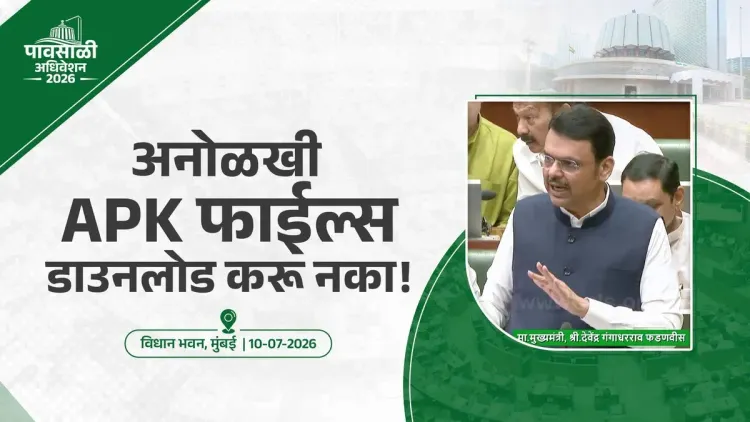
Maharashtra Chief Minister Devendra Fadnavis issued a bilingual cybersecurity advisory on 10 July 2026, warning citizens against downloading APK files or links from unknown numbers, cautioning that such actions risk phone hacking and fraud. The warning came from the Maharashtra Legislative Assembly during the Monsoon Session 2026.
Key Takeaways
Maharashtra CM Devendra Fadnavis issued a public advisory on 10 July 2026 warning against downloading APK files or links from unknown numbers.
The advisory was posted in both English and Marathi , broadening its reach across Maharashtra's population.
Fadnavis warned that such downloads can lead to phone hacking and increased risk of financial fraud.
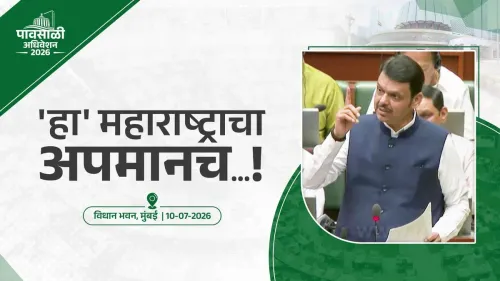
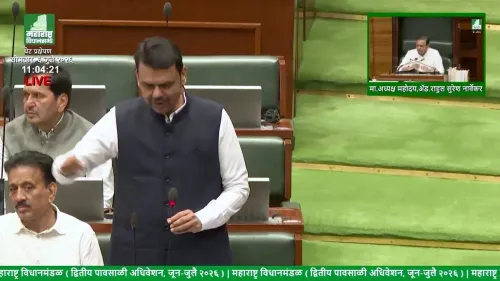
The post was made from the Maharashtra Legislative Assembly, Mumbai , during the Monsoon Session 2026 .
The advisory aligns with national frameworks including CERT-In guidelines and the Cyber Surakshit Bharat initiative launched in 2018 .
Key groups at risk include UPI users, mobile banking customers , and smartphone users with limited cybersecurity awareness.
Maharashtra Chief Minister Devendra Fadnavis on Friday, 10 July 2026, issued a public cybersecurity advisory urging citizens not to download links or APK files sent from unknown numbers, warning that doing so can compromise their phones and expose them to fraud. The advisory was posted from the Maharashtra Legislative Assembly, Mumbai, during the ongoing Monsoon Session 2026.
Context
In a bilingual post on X, Fadnavis wrote in English and Marathi: 'अनोळखी नंबरवरून आलेल्या लिंक्स किंवा APK फाईल्स डाउनलोड करू नका' ('Do not download links or APK files received from unknown numbers'), adding that such actions risk the phone being hacked and increase the danger of fraud. The advisory was tagged with #Maharashtra, #Mumbai, and #MonsoonSession2026, signalling it as an official communication tied to the legislative session.
The post was accompanied by a video, suggesting the advisory may have been issued as part of a broader awareness campaign. Issuing public safety communications via social media during legislative sessions has become a common practice for state governments seeking to reach citizens directly.
Policy Backdrop
India's cybersecurity framework has long flagged malicious APK files and phishing links as primary vectors for mobile fraud. The Indian Computer Emergency Response Team (CERT-In) has issued repeated advisories since 2004 on mobile malware and fake app downloads, particularly as digital payments through UPI have expanded rapidly across the country.
At the national level, the Cyber Surakshit Bharat initiative, launched in 2018, was designed to build cybersecurity awareness among citizens and government officials alike. State governments, including Maharashtra, have consistently supplemented these central advisories with localised warnings, operating within the framework of the Information Technology Act. Fadnavis, who has previously prioritised law and order and digital governance during his tenures as Chief Minister, has used official channels to reinforce such messaging.
Stakeholders and Impact
Maharashtra is home to Mumbai, India's financial capital, and has one of the country's largest concentrations of smartphone users and digital banking customers. Cybercriminals frequently target UPI users and mobile banking customers through fraudulent SMS links and fake APK files that mimic legitimate apps.
The advisory is directly relevant to everyday smartphone users, particularly those in semi-urban and rural areas where digital literacy around cybersecurity remains uneven. Banking customers and UPI users are especially at risk, as fraudulent APK files are often designed to harvest credentials or enable remote access to devices.
What's Next
The Maharashtra Monsoon Session 2026 is ongoing at the Vidhan Bhavan, Mumbai, and observers will watch for any concrete cybercrime prevention proposals or budget allocations tabled before the session concludes. If the advisory is followed by legislative action — such as enhanced funding for the state's cyber police units or a formal state cybersecurity policy — it would mark a significant escalation from awareness messaging to institutional response. For now, the Chief Minister's post serves as a high-visibility reminder that digital hygiene remains a live policy concern at the highest levels of Maharashtra's government.
Point of View
A tactic increasingly common among state executives in India. The choice to communicate in both English and Marathi signals intent to reach urban professionals and rural smartphone users simultaneously. Coming against a backdrop of rising UPI fraud and mobile malware incidents nationally, the post reinforces Maharashtra's alignment with the Centre's Cyber Surakshit Bharat framework while giving the state government visible ownership of the issue. Whether this remains a social media gesture or translates into concrete legislative or budgetary action during the session will determine its policy weight.
NationPress
10 Jul 2026
Frequently Asked Questions
Why did CM Fadnavis warn against downloading APK files?
Maharashtra Chief Minister Devendra Fadnavis warned that downloading APK files or links from unknown numbers can lead to phone hacking and expose users to financial fraud, particularly through fake apps targeting UPI and mobile banking users.
What is an APK file and why is it dangerous?
An APK (Android Package Kit) file is used to install apps on Android phones outside of official app stores. Malicious APK files sent via unknown numbers can install malware, steal banking credentials, or give fraudsters remote access to your device.
What should I do if I receive a suspicious link on WhatsApp or SMS?
Do not click or download anything from links sent by unknown numbers. Delete the message immediately, and if you have already clicked, run a security scan and consider contacting your bank if financial accounts may be at risk.
What is the Cyber Surakshit Bharat initiative?
Cyber Surakshit Bharat is a national cybersecurity awareness programme launched by the Government of India in 2018 to promote safe digital practices among citizens and government officials, including awareness about phishing, malware, and mobile fraud.
What is the Maharashtra Monsoon Session 2026?
The Maharashtra Monsoon Session 2026 is a sitting of the Maharashtra Legislative Assembly in Mumbai where legislators debate policy, pass legislation, and raise public interest issues. CM Fadnavis issued the cybersecurity advisory during this session on 10 July 2026.