CM Fadnavis Urges Maharashtrians to Stay Home Amid Heavy Rains
Synopsis
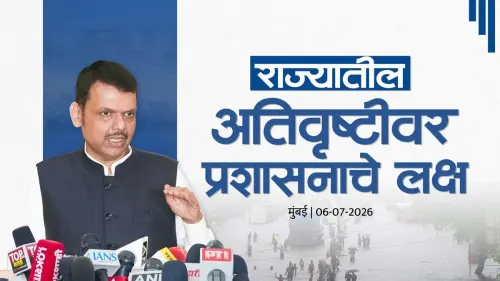
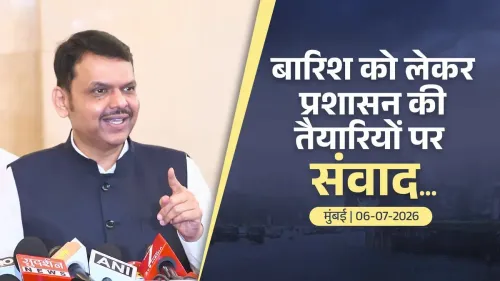
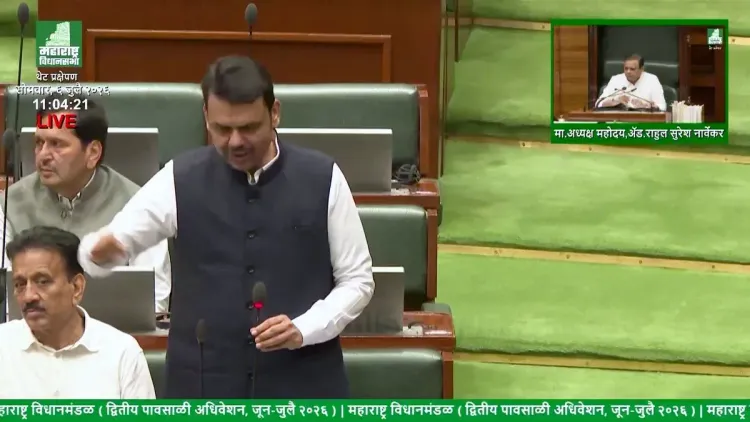
Chief Minister Devendra Fadnavis issued a public monsoon advisory on 6 July 2026 from the Maharashtra Legislative Assembly, urging citizens to stay indoors, avoid non-essential travel, and follow administration directives as heavy rains continued across the state.
Key Takeaways
CM Devendra Fadnavis issued a public advisory on 6 July 2026 urging Maharashtra citizens to avoid going out during heavy monsoon rainfall.
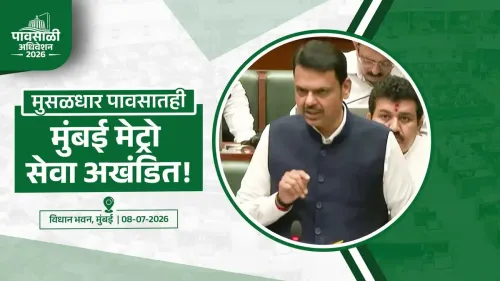
The advisory was posted from the Maharashtra Legislative Assembly, Mumbai , during the ongoing Monsoon Session 2026 .
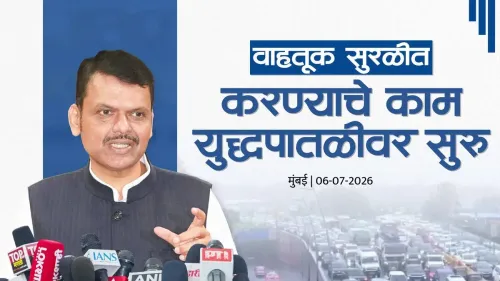
Fadnavis confirmed that 'all government systems are fully prepared to handle any situation' arising from the rains.
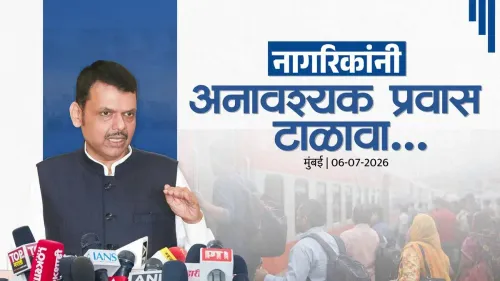
Citizens were specifically asked not to travel unless it is 'absolutely essential' and to follow all directives issued by the administration.
The advisory reflects Maharashtra's institutionalised monsoon-response framework, shaped significantly by the 2005 Mumbai floods that killed over 1,000 people .
The State Disaster Management Authority , civic bodies, and the India Meteorological Department are coordinating in real time with the state government.
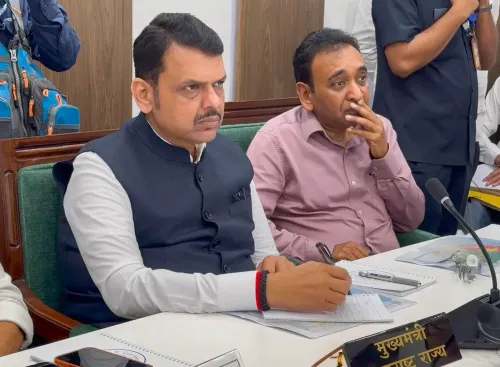
Maharashtra Chief Minister Devendra Fadnavis on Monday, 6 July 2026, issued a public advisory urging citizens across the state to avoid unnecessary travel and stay indoors as heavy monsoon rainfall continued to lash Maharashtra. The statement, made from the Maharashtra Legislative Assembly in Mumbai during the ongoing Monsoon Session 2026, assured residents that all government machinery was fully prepared to handle any emergency.
In his post on X, CM Fadnavis wrote in Marathi: 'राज्यात सुरू असलेल्या मुसळधार पावसाच्या पार्श्वभूमीवर सर्व यंत्रणा कोणत्याही परिस्थितीचा सामना करण्यासाठी पूर्णपणे सज्ज आहेत.' ('All systems in the state are fully prepared to deal with any situation arising from the ongoing heavy rains.') He urged citizens to 'avoid stepping out of their homes as far as possible' and to 'not travel unless there is an essential requirement,' adding that people should follow all instructions and alertness directives issued by the administration.
Context
Maharashtra, particularly its coastal and low-lying districts including Mumbai, faces recurring disruption each monsoon season between June and September. The state legislature's annual Monsoon Session frequently coincides with peak rainfall periods, creating a dual responsibility for the government — managing legislative business while coordinating real-time disaster response. The advisory from CM Fadnavis reflects that overlap, issued directly from the Vidhan Bhavan precincts in Mumbai.
Policy Backdrop
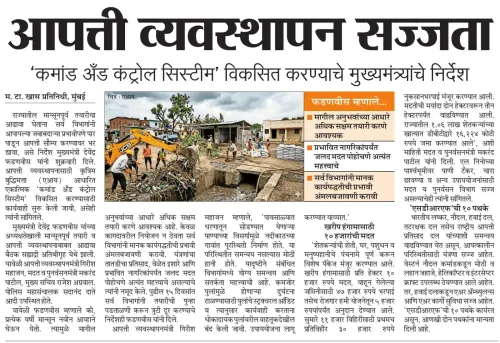
The institutional memory of the catastrophic 2005 Mumbai floods, which claimed over 1,000 lives, has shaped successive Maharashtra governments' approach to monsoon preparedness. In the decades since, the state introduced district-level disaster management plans and invested in upgrading the Brihanmumbai Storm Water Drainage System (Brimstowad) project to improve the city's capacity to absorb extreme rainfall. The State Disaster Management Authority now coordinates in real time with the revenue department, civic bodies, and the India Meteorological Department (IMD) during the monsoon months.
CM Fadnavis has previously held the Chief Minister's office from 2014 to 2019 and returned to the post in 2023, giving him direct administrative experience across multiple monsoon seasons and flood-response cycles in the state.
Stakeholders and Impact
The advisory directly concerns Mumbai's millions of daily commuters and residents in low-lying areas of the city, as well as citizens in flood-prone districts across Maharashtra. Public advisories of this nature carry practical weight: they signal to municipal corporations, the police, and the National Disaster Response Force (NDRF) to remain on heightened alert, and they inform citizens' decisions about commuting and travel.
Residents of informal settlements and low-lying coastal zones are particularly vulnerable during periods of intense rainfall, making timely official communication a critical element of the state's disaster-response framework.
What's Next
The Monsoon Session 2026 of the Maharashtra Legislative Assembly is expected to take up discussions on supplementary demands for flood relief and any new directives from the State Disaster Management Authority. The administration's response to the current rainfall spell — including any deployment of relief teams or evacuation orders — will be closely watched as a measure of the state's preparedness infrastructure. Sustained heavy rainfall in the coming days could elevate the advisory to a formal alert, triggering additional emergency protocols.
Point of View
Blending administrative function with political optics. For Fadnavis, who has navigated multiple flood seasons as Chief Minister, the statement also reinforces his image as a hands-on administrator. The underlying policy question — whether Maharashtra's drainage and disaster infrastructure has kept pace with intensifying rainfall — is likely to surface in the legislative session itself.
NationPress
5 Oct 2026
Frequently Asked Questions
Why did CM Fadnavis ask people to stay home on 6 July 2026?
CM Devendra Fadnavis issued the advisory because heavy monsoon rainfall was continuing across Maharashtra, posing risks to public safety. He urged citizens to avoid unnecessary travel and to follow all directions issued by the administration.
Is Maharashtra prepared for heavy monsoon floods in 2026?
According to CM Fadnavis's statement on 6 July 2026, all government systems in Maharashtra are 'fully prepared to deal with any situation.' The state has district-level disaster management plans and coordinates in real time with the India Meteorological Department and civic bodies.
What is the Maharashtra Monsoon Session 2026?
The Monsoon Session 2026 is the annual mid-year sitting of the Maharashtra Legislative Assembly, typically held in July. It overlaps with the peak monsoon period and often addresses flood-relief demands and disaster-management policy.
What happened in the 2005 Mumbai floods and how did it shape policy?
The 2005 Mumbai floods killed over 1,000 people and exposed severe gaps in the city's drainage infrastructure. In response, Maharashtra introduced district-level disaster management plans and upgraded the Brihanmumbai Storm Water Drainage System (Brimstowad) to better handle extreme rainfall.
What should Maharashtra residents do during heavy monsoon rains?
CM Fadnavis advised residents to stay indoors as much as possible, avoid travel unless absolutely essential, and strictly follow all advisories and alert directives issued by the district and state administration.