CM Fadnavis Reviews Maharashtra Disaster Management Readiness
Synopsis
The Chief Minister's Office of Maharashtra flagged the state's annual disaster management preparedness exercise on 23 May 2026, tagging CM Devendra Fadnavis ahead of the southwest monsoon. Maharashtra faces recurring flood and cyclone risks across Mumbai, Konkan, and inland districts each year.
Key Takeaways
The CMO Maharashtra posted on disaster management preparedness ( Aapatti vyavasthapan sajjata ) on 23 May 2026 , tagging CM Devendra Fadnavis .
Maharashtra conducts annual pre-monsoon reviews covering drainage audits, evacuation protocols, and inter-agency coordination.
Flood-prone regions including Mumbai , Konkan , Kolhapur , and Raigad are the primary focus of state disaster preparedness efforts.
Key agencies involved include the SDRF , NDRF , district administrations, and the BMC .
The southwest monsoon typically reaches Maharashtra by early June , making May the critical window for preparedness reviews.
The Chief Minister's Office of Maharashtra on Saturday, 23 May 2026, shared an update on the state's disaster management preparedness, tagging Chief Minister Devendra Fadnavis and flagging the annual pre-monsoon readiness exercise under the hashtags #Maharashtra, #DevendraFadnavis, and #MonsoonPreparedness.
Context
The post, captioned 'Aapatti vyavasthapan sajjata' (Disaster management preparedness), signals the state government's annual administrative cycle of reviewing emergency protocols ahead of the monsoon season. The southwest monsoon typically reaches Maharashtra by early June, bringing with it the risk of urban flooding, landslides in the Konkan belt, and inundation in low-lying districts.
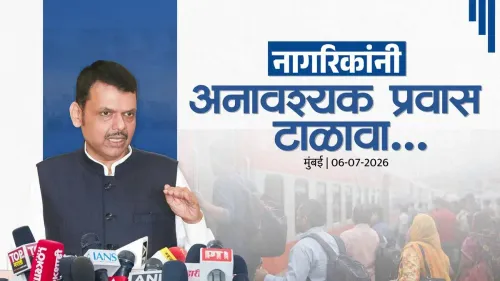
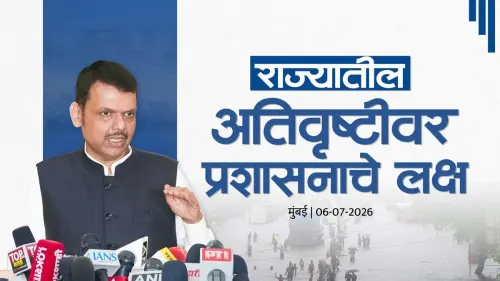
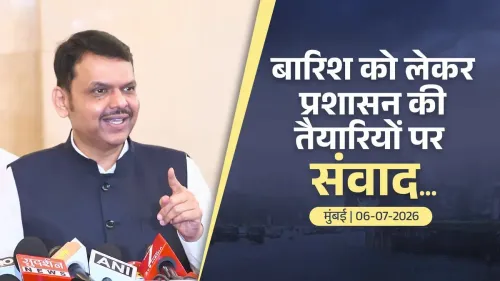
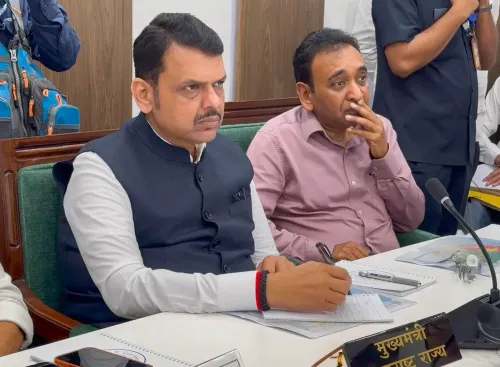
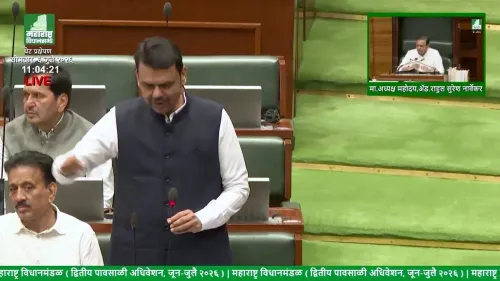
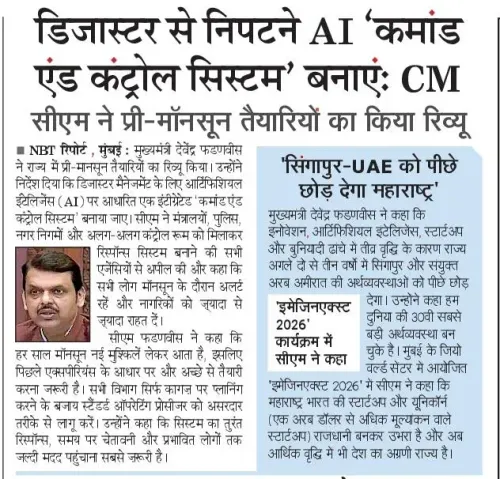
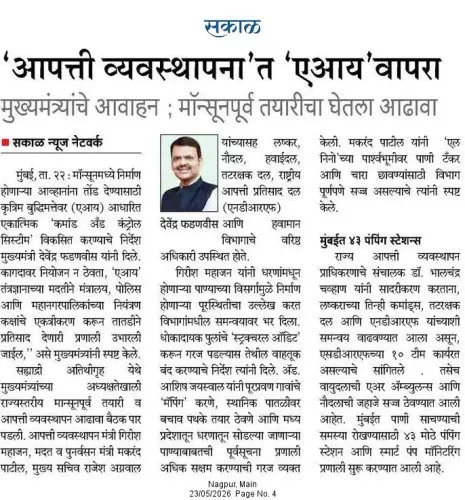
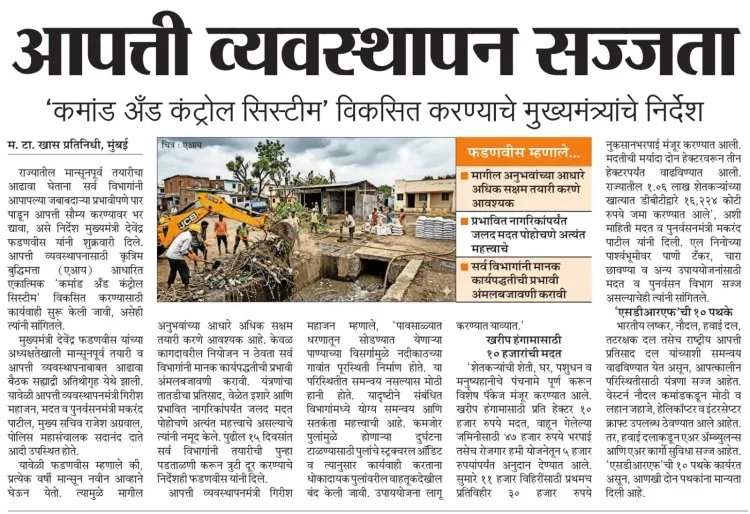
Chief Minister Devendra Fadnavis has been at the helm of Maharashtra's administration and has previously overseen multiple rounds of infrastructure resilience planning and inter-departmental coordination drills. The CMO's post, accompanied by an image, appears to document or preview one such review session.
Policy Backdrop
Maharashtra governments have conducted structured pre-monsoon reviews and disaster management drills since at least the early 2010s, following a series of devastating flood events that exposed gaps in urban drainage and rural evacuation systems. These exercises typically cover drainage infrastructure audits, coordination between the State Disaster Response Force (SDRF), district collectors, and the National Disaster Response Force (NDRF).
The state's vulnerability is acute: Mumbai, the financial capital, has a documented history of waterlogging and flash floods, while the Konkan coast and districts such as Kolhapur, Sangli, and Raigad face recurring inundation. Cyclonic systems forming in the Arabian Sea add a further layer of risk each year.
Stakeholders and Impact
Flood-prone communities across Maharashtra's coastal and inland districts are the primary stakeholders in any disaster preparedness review. Timely pre-monsoon drills and infrastructure checks directly affect the speed of evacuation, relief distribution, and the ability of state machinery to respond to emergencies without inter-agency confusion.
State disaster response teams, district administrations, municipal corporations — particularly the Brihanmumbai Municipal Corporation (BMC) — and emergency services are central to the preparedness framework. Coordination with the central government's disaster management bodies also forms a key part of the annual exercise.
What's Next
With the monsoon onset expected over Kerala around 1 June and its arrival in Maharashtra typically following within days to weeks, the state administration is likely to accelerate reviews of drainage clearance, evacuation route mapping, and helpline activation in the coming weeks. Officials will also be expected to confirm pre-positioned stocks of relief material across vulnerable districts.
The broader pattern of such CMO communications suggests that further updates on specific preparedness milestones — including inter-departmental meetings chaired by CM Fadnavis — may follow as the monsoon season draws closer.
Point of View
But its public visibility serves a dual purpose: signalling administrative seriousness to citizens in flood-prone areas and creating accountability pressure on district-level officials. For CM Fadnavis, visible engagement with disaster preparedness carries political weight in a state where monsoon failures have historically translated into public anger and electoral consequences. The post also reflects a broader pattern among state governments of using official social media to narrate governance activity in real time, blurring the line between administrative communication and political messaging. Analysts watching Maharashtra's disaster management framework will look for follow-through in the form of official orders, budget allocations, and on-ground drills rather than social media posts alone.
NationPress
9 Oct 2026
Frequently Asked Questions
What is Maharashtra's disaster management preparedness for monsoon 2026?
The Chief Minister's Office of Maharashtra shared an update on disaster management preparedness on 23 May 2026, signalling the start of the state's annual pre-monsoon review cycle covering drainage, evacuation, and inter-agency coordination.
What does 'Aapatti vyavasthapan sajjata' mean?
'Aapatti vyavasthapan sajjata' is a Marathi phrase meaning 'disaster management preparedness,' used by the CMO Maharashtra to describe the state's pre-monsoon readiness activities.
Which areas of Maharashtra are most flood-prone?
Mumbai, the Konkan coast, and inland districts such as Kolhapur, Sangli, and Raigad are among Maharashtra's most flood-prone regions, facing recurring inundation and landslide risks during the southwest monsoon.
What agencies handle disaster response in Maharashtra?
Maharashtra's disaster response framework involves the State Disaster Response Force (SDRF), the National Disaster Response Force (NDRF), district administrations, and the Brihanmumbai Municipal Corporation (BMC) for urban flood response.
When does the monsoon arrive in Maharashtra?
The southwest monsoon typically arrives in Maharashtra by early to mid-June each year, following its onset over Kerala around 1 June, making May the key window for pre-monsoon preparedness reviews.