CM Sai Meets New Chhattisgarh Hairdresser Welfare Board Chief
Synopsis
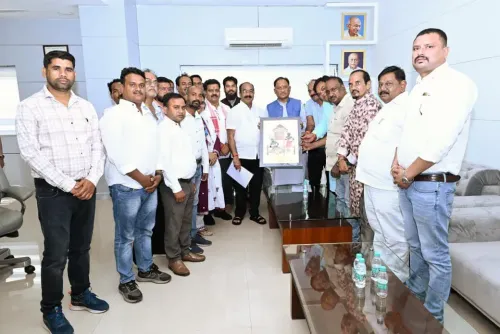
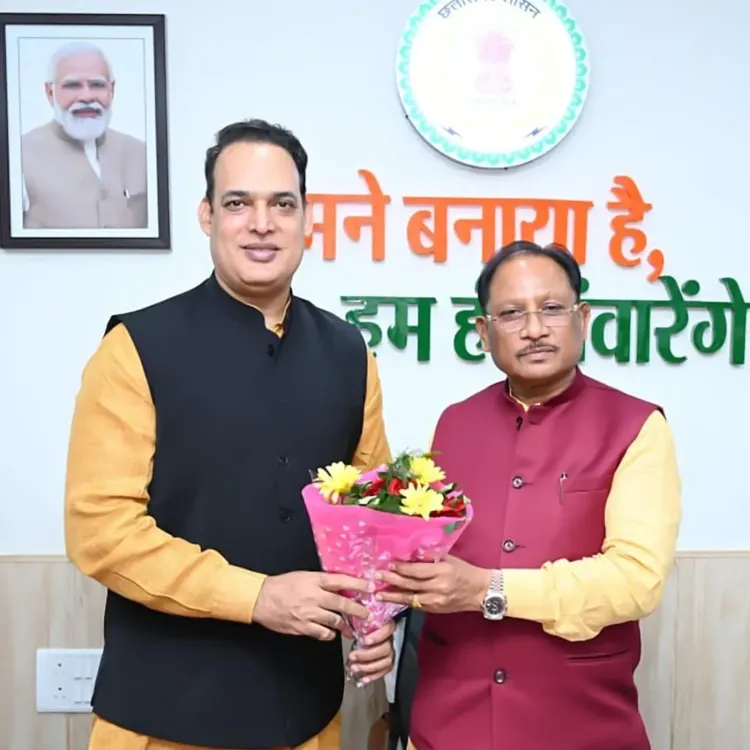
Chhattisgarh Chief Minister Vishnu Deo Sai met Gaurishankar Shrivastav, the newly appointed chairman of the Chhattisgarh State Hairdresser Welfare Board, at his Raipur residence on 10 July 2026, expressing confidence that the board will advance welfare and empowerment for the state's hairdresser community.
Key Takeaways
CM Vishnu Deo Sai held a personal meeting with Gaurishankar Shrivastav at the Chief Minister's residence in Raipur on 10 July 2026 .
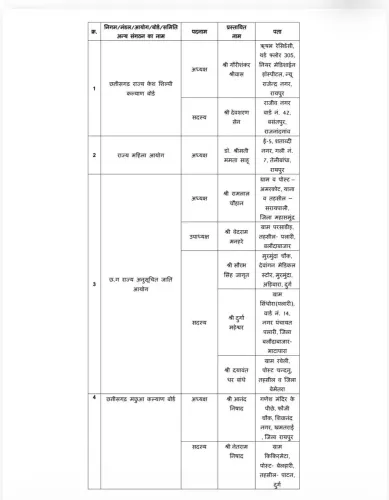
Shrivastav has been newly appointed as chairman of the Chhattisgarh Rajya Kesh Shilpi Kalyan Board (State Hairdresser Welfare Board).
CM Sai publicly expressed confidence that the board will set 'new milestones in welfare, dignity, and empowerment' under Shrivastav's leadership.
The board is designed to deliver social security, skill support, and recognition to Chhattisgarh's hairdresser and barber community.
The appointment aligns with the post- 2023 BJP state government's policy of activating community-specific occupational welfare boards.
Concrete scheme rollouts, budget announcements, and membership drives are expected as the next steps for the board.
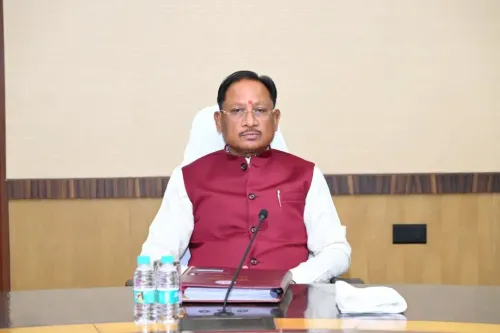
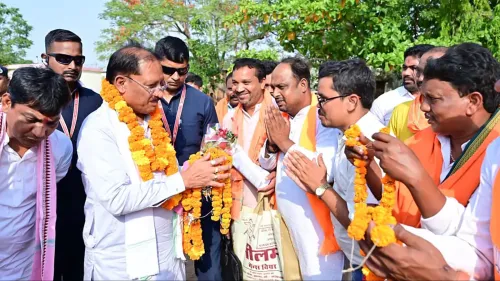
Chhattisgarh Chief Minister Vishnu Deo Sai met the newly appointed chairman of the Chhattisgarh State Hairdresser Welfare Board (Chhattisgarh Rajya Kesh Shilpi Kalyan Board) at the Chief Minister's official residence in Raipur on 10 July 2026, extending his best wishes to Gaurishankar Shrivastav on assuming the new role.
Context
Posting on X in Hindi, CM Sai described the meeting as a warm, personal exchange — 'aatmiya bhent' [a heartfelt meeting] — at the Chief Minister's residence office. He conveyed his confidence that under Shrivastav's leadership, the board would 'set new milestones in the direction of welfare, dignity, and empowerment of society.' The post tagged Shrivastav's official X handle @ShrivasGouri, signalling a public endorsement of the appointment.
Policy Backdrop
The Chhattisgarh Rajya Kesh Shilpi Kalyan Board is a state-level statutory body set up to deliver targeted social security, skill development, and recognition to the state's hairdressers and barbers — a traditional occupational community that has historically lacked formal welfare coverage. Across Indian states, such boards are an established mechanism for extending pensions, insurance, and livelihood support to artisan and service-sector workers outside the organised economy.
Since returning to power in Chhattisgarh after the 2023 assembly elections, the BJP state government under CM Sai has prioritised the creation and activation of community-specific welfare boards for occupational groups, positioning them as a pillar of its social-welfare architecture. The appointment of Gaurishankar Shrivastav as board chairman is consistent with that broader push.
Stakeholders and Impact
The board's primary beneficiaries are Chhattisgarh's hairdresser and barber community — a large, dispersed group spread across urban salons and rural households. Welfare boards of this kind typically administer schemes covering accident insurance, children's education assistance, housing support, and old-age pensions for registered members. The appointment of a dedicated chairman is a prerequisite for operationalising such benefits at scale.
Shrivastav's elevation is also politically significant: it signals the government's intent to build institutional representation for traditionally marginalised occupational communities, lending social recognition alongside material support.
What's Next
Attention will now turn to the board's operational rollout — including the announcement of concrete schemes, budget allocations, and membership registration drives targeting the hairdresser community across Chhattisgarh's 33 districts. Observers will also watch whether the state follows up with similar board appointments for other traditional occupational groups, a pattern seen in comparable BJP-governed states. The pace at which the board moves from ceremonial inauguration to on-ground benefit delivery will be the key measure of its impact.
Point of View
High-visibility instruments for state governments seeking to consolidate support among communities that sit outside the organised sector. By personally receiving the new chairman and posting about it publicly, CM Sai elevates what might otherwise be a routine administrative appointment into a visible act of recognition. The real test will be whether the board moves swiftly to register members and disburse benefits, or remains largely ceremonial.
NationPress
10 Jul 2026
Frequently Asked Questions
Who is the new chairman of the Chhattisgarh State Hairdresser Welfare Board?
Gaurishankar Shrivastav has been appointed as the new chairman of the Chhattisgarh Rajya Kesh Shilpi Kalyan Board (Chhattisgarh State Hairdresser Welfare Board).
What is the Chhattisgarh Rajya Kesh Shilpi Kalyan Board?
It is a state-level welfare board in Chhattisgarh set up to provide social security, skill development, and recognition to hairdressers and barbers — a traditional occupational community largely outside the organised sector.
What did CM Vishnu Deo Sai say about the new appointment?
CM Sai said he has 'full confidence' that under Gaurishankar Shrivastav's leadership the board will 'set new milestones in welfare, dignity, and empowerment of society.'
Why does Chhattisgarh have a separate welfare board for hairdressers?
Indian state governments routinely create occupational welfare boards for traditional communities such as barbers to deliver pensions, insurance, education assistance, and social recognition to workers who lack organised-sector coverage. Chhattisgarh's board is part of a broader post- 2023 BJP government effort to extend targeted support to artisan and service-sector groups.
What are the next steps for the Chhattisgarh Hairdresser Welfare Board?
With a chairman now in place, the board is expected to announce concrete schemes, budget allocations, and membership registration drives for the hairdresser and barber community across Chhattisgarh's 33 districts .