CM Fadnavis, Maharashtra CMO Flag Heavy Rain Alert
Synopsis
The Chief Minister's Office of Maharashtra flagged heavy monsoon rainfall on 6 July 2026, signalling active state monitoring under CM Devendra Fadnavis. The post reflects Maharashtra's structured disaster-communication protocol, with urban residents and farmers among those watching for follow-up advisories.
Key Takeaways
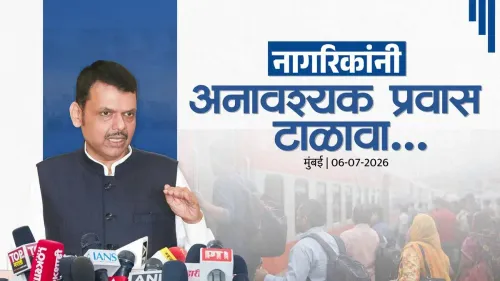
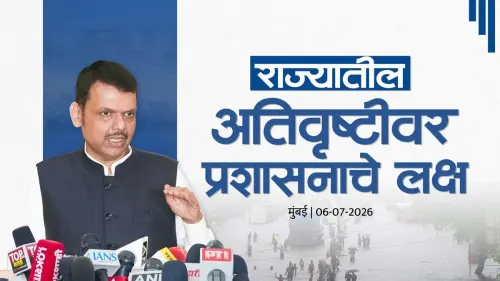
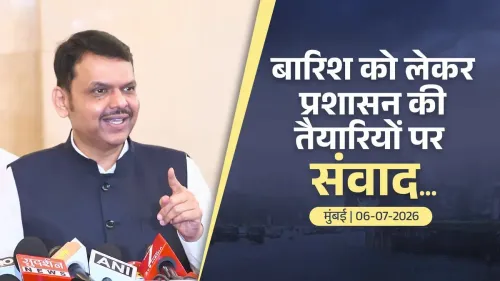
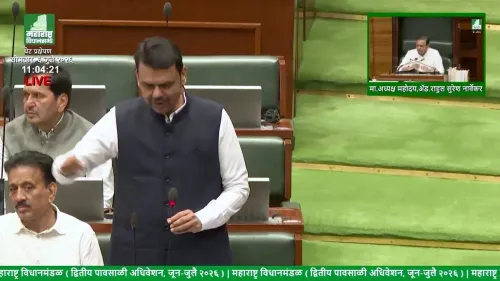
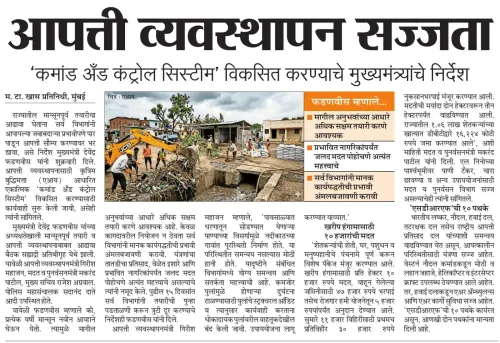
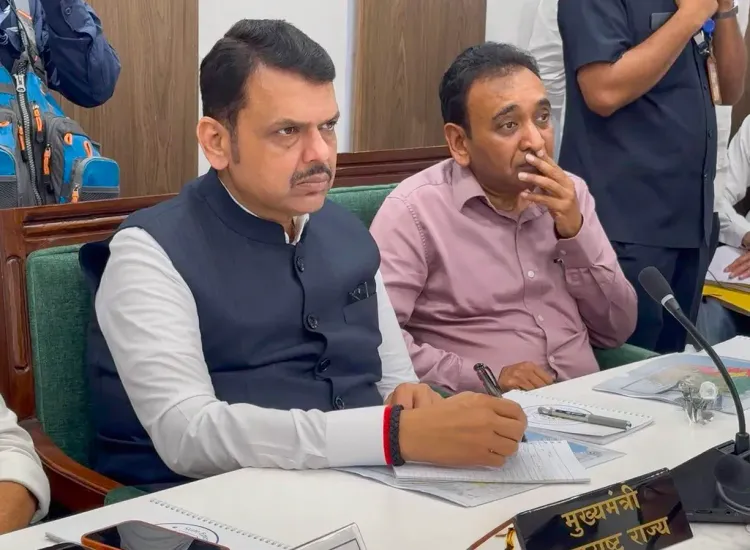
The Chief Minister's Office of Maharashtra posted a heavy rain alert on 6 July 2026 , accompanied by three images.
The post was tagged with hashtags for Maharashtra , Devendra Fadnavis , HeavyRain , and Monsoon .
CM Devendra Fadnavis heads the state's disaster management chain and is the key decision-maker during weather emergencies.
Maharashtra strengthened its monsoon preparedness frameworks after the 2005 Mumbai floods , establishing SDRF and IMD coordination protocols.
Both urban residents and farmers across the state are directly affected by monsoon intensity and official advisories.
District-wise IMD rainfall data and any subsequent relief announcements will indicate the event's severity.
The Chief Minister's Office of Maharashtra flagged heavy monsoon rainfall concerns on Monday, 6 July 2026, signalling active state-level monitoring as the southwest monsoon intensified across the state. The post, shared from the official @CMOMaharashtra handle, carried hashtags referencing Maharashtra, Devendra Fadnavis, heavy rain, and the ongoing monsoon season, accompanied by three images.
Context
The southwest monsoon typically arrives over Maharashtra in June and intensifies through July, bringing critical rainfall for the state's agricultural belt while simultaneously raising flood risks in coastal and low-lying urban zones. The CMO's post on 6 July 2026 reflects the state government's practice of publicly signalling awareness and coordination during periods of heavy precipitation.
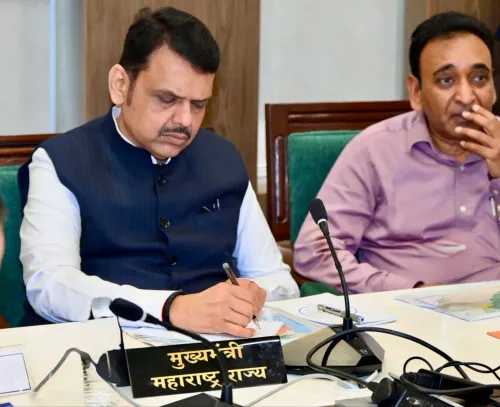
Chief Minister Devendra Fadnavis heads the state's disaster management chain, and official communications from the CMO during rain events are a standard signal that monitoring mechanisms are active and district administrations are on alert.
Policy Backdrop
Maharashtra overhauled its disaster management and monsoon preparedness frameworks in the years following the catastrophic 2005 Mumbai floods, which caused widespread loss of life and property across the metropolitan region. Those reforms established clearer lines of coordination between the state government, the India Meteorological Department (IMD), and district-level authorities.
The state now maintains dedicated monsoon control rooms and deploys the State Disaster Response Force (SDRF) alongside central NDRF teams when rainfall forecasts cross threshold levels. Routine social-media updates from the CMO are part of this broader public-communication protocol designed to keep citizens informed.
Stakeholders and Impact
Urban residents in cities such as Mumbai, Pune, and Nashik face waterlogging and transport disruptions when heavy rain events occur, while farmers across Vidarbha, Marathwada, and the Konkan coast depend on adequate monsoon rainfall for kharif crop sowing. Both groups watch official government communications closely for advisories and relief announcements.
Infrastructure managers, municipal corporations, and highway authorities also calibrate their emergency response based on signals from the CMO, making such posts operationally significant beyond their social-media reach.
What's Next
District-wise rainfall data from the India Meteorological Department will be closely watched in the coming days to assess whether any region crosses red-alert thresholds requiring evacuation or relief deployment. Subsequent announcements from the CMO on relief measures, infrastructure assessments, or NDRF mobilisation would indicate the scale of the weather event's impact.
As the monsoon season extends through September 2026, the state government's response to this early-July alert will set the tone for its broader monsoon management posture for the season.
Point of View
Emergency services, and the public that the state machinery is engaged. Under CM Devendra Fadnavis, Maharashtra has leaned into proactive digital communication during weather emergencies, a posture that builds political credibility while serving a genuine administrative function. The timing in early July, when the southwest monsoon typically reaches peak intensity over the Konkan and Ghats, makes such alerts particularly consequential for both flood-prone urban zones and rain-dependent farming districts. The follow-through — in terms of NDRF deployment, relief packages, or infrastructure assessments — will ultimately determine whether this signal translates into substantive state action.
NationPress
5 Oct 2026
Frequently Asked Questions
Why did the Maharashtra CMO post a heavy rain alert on 6 July 2026?
The Chief Minister's Office of Maharashtra posted the alert to signal active state monitoring of heavy southwest monsoon rainfall, consistent with the government's disaster-communication protocol during intense weather events.
What is CM Devendra Fadnavis's role during Maharashtra floods or heavy rain?
As Chief Minister, Devendra Fadnavis heads Maharashtra's disaster management chain, coordinating between district administrations, the State Disaster Response Force, and central agencies like the NDRF and IMD.
How does Maharashtra prepare for heavy monsoon rainfall?
Following the 2005 Mumbai floods , Maharashtra established dedicated monsoon control rooms, SDRF deployment protocols, and coordination frameworks with the India Meteorological Department to manage heavy rain events.
Who is most affected by heavy monsoon rain in Maharashtra?
Urban residents in cities like Mumbai and Pune face waterlogging and transport disruption, while farmers across Vidarbha, Marathwada, and the Konkan coast depend on monsoon rainfall for kharif crop sowing.
What should Maharashtra residents watch for after a CMO heavy rain alert?
Residents should monitor district-wise IMD rainfall advisories, red-alert notifications, and any follow-up announcements from the CMO on NDRF deployment, evacuation orders, or relief measures.