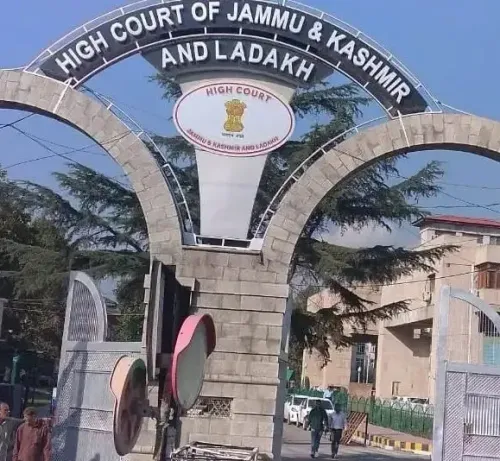
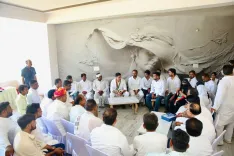
Amit Shah: HC Bench Coming to Ladakh for Better Justice
Synopsis
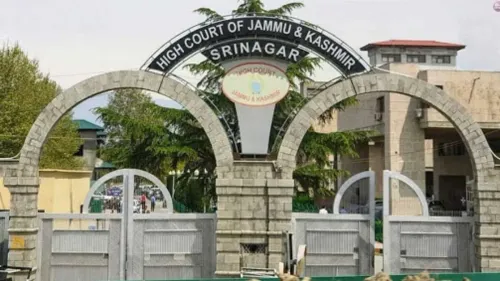
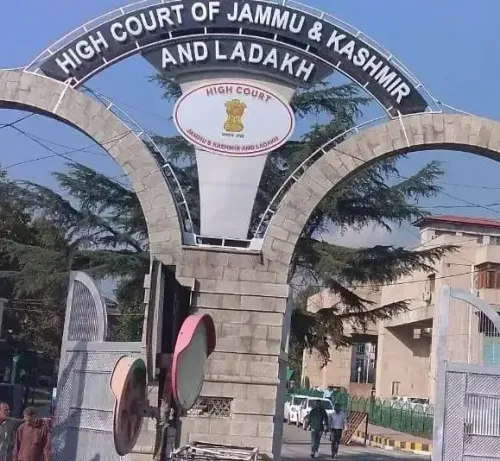
The Union Cabinet has approved a bench of the High Court of Jammu and Kashmir in Ladakh, Home Minister Amit Shah announced on August 20, 2026. The move aims to cut travel barriers for litigants in the remote Union Territory, which has shared the distant J&K High Court since the 2019 bifurcation.
Key Takeaways
The Union Cabinet under PM Narendra Modi approved a bench of the High Court of Jammu and Kashmir in Ladakh on August 20, 2026 .
Ladakh has been a Union Territory without a legislature since the Jammu and Kashmir Reorganisation Act of 2019 .
Residents of Ladakh currently must travel hundreds of kilometres to access the High Court, a journey made impossible by snowbound passes in winter.
The bench will have jurisdiction as a constitutional court, empowered to hear writs and fundamental rights petitions.
The government cited commitment to 'all-round development of Ladakh and ensuring constitutional safeguards.' Key next steps include formal notification of the bench location and appointment of judges to sit in Ladakh.
Justice is about to travel closer to the Himalayas. Union Home Minister Amit Shah announced on Thursday, August 20, 2026 that the Union Cabinet, led by Prime Minister Narendra Modi, has approved the establishment of a bench of the High Court of Jammu and Kashmir in Ladakh — a decision that directly addresses one of the most persistent grievances of residents in India's highest and most remote Union Territory.
Why Ladakh's distance from the High Court has mattered
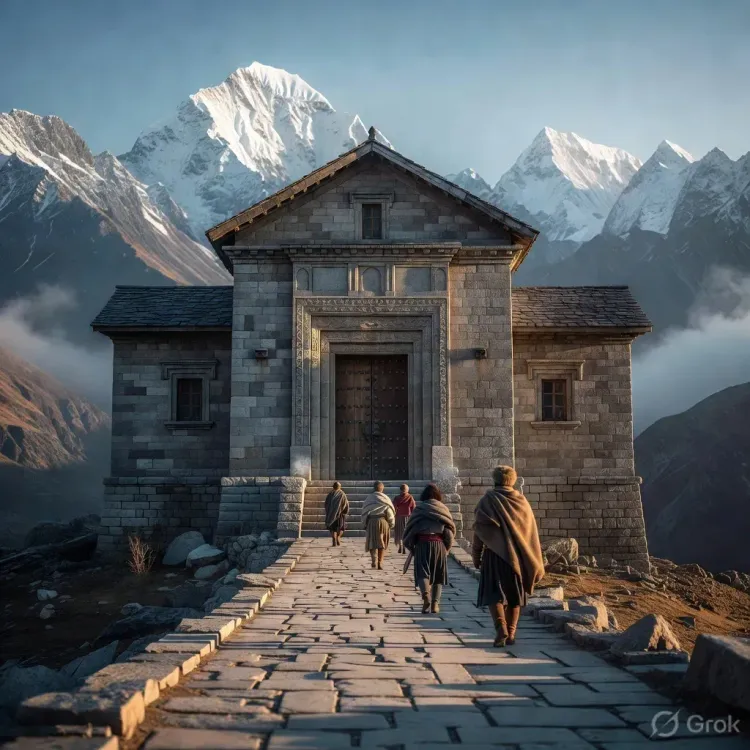
Since the Jammu and Kashmir Reorganisation Act of August 2019 carved Ladakh out as a separate Union Territory without a legislature, the region has continued to share the existing High Court of Jammu and Kashmir — whose principal seat sits hundreds of kilometres away across mountain passes that are snowbound for months each year. For a litigant in Leh or Kargil, accessing the High Court has meant not just a long journey but often an impossible one during winter. A dedicated bench in Ladakh would place constitutional remedies within practical reach of ordinary citizens for the first time.
Cabinet's commitment to Ladakh's constitutional safeguards
Shah, posting on X, framed the decision in terms of both access and rights: the bench will 'significantly enhance access to justice for citizens living in remote areas of Ladakh by reducing the time required to avail themselves of the legal services they are entitled to.' He added that the government 'is fully committed to the all-round development of Ladakh and to ensuring constitutional safeguards' — language that speaks directly to a political conversation that has been running in the region since 2019, when demands for statehood and Sixth Schedule protections for tribal communities became a focal point of local politics.
Building institutions where geography resists them
The bench announcement fits a deliberate pattern. Since the bifurcation, the central government has steadily invested in administrative, policing and judicial infrastructure across Ladakh to compensate for the geographic isolation that a legislature-less UT status created. A High Court bench is the most consequential of these additions — it is not a district court, but a constitutional court with the power to hear writs, fundamental rights petitions and appeals. What remains to be watched: the formal notification naming the bench location, the appointment of judges to sit there, and whether the move quiets or amplifies the louder demand for a fully separate High Court for Ladakh.
Point of View
And it arrives at a moment when demands for statehood and Sixth Schedule tribal protections remain politically live. By delivering a High Court bench rather than engaging directly with the statehood question, the government is threading a careful needle — expanding rights infrastructure without reopening the constitutional status debate. Whether this satisfies the political mood in Leh and Kargil, or merely sharpens the appetite for fuller autonomy, will depend heavily on how quickly the bench becomes operational and how broadly its jurisdiction is drawn.
NationPress
5 Oct 2026
Frequently Asked Questions
What is the High Court bench approved for Ladakh?
The Union Cabinet has approved the establishment of a bench of the High Court of Jammu and Kashmir to be located in Ladakh, allowing residents to access a constitutional court without travelling to the distant principal seat of the High Court.
Why does Ladakh not have its own High Court?
When the Jammu and Kashmir Reorganisation Act of 2019 created Ladakh as a Union Territory, it continued to share the existing High Court of Jammu and Kashmir with the UT of Jammu and Kashmir. A separate High Court for Ladakh has not been established, though a bench is now approved.
What difference will the Ladakh High Court bench make to residents?
Litigants in Leh, Kargil and surrounding areas will be able to file writ petitions and appeals locally instead of travelling hundreds of kilometres across mountain passes, many of which are snowbound and impassable for several months a year.
When was Ladakh made a Union Territory?
Ladakh became a Union Territory without a legislature on October 31, 2019 , following the passage of the Jammu and Kashmir Reorganisation Act in August 2019.
What are Ladakh's demands beyond the High Court bench?
Ladakh's political and civil society groups have also sought full statehood and inclusion under the Sixth Schedule of the Constitution, which would grant tribal communities greater autonomy and land protections. These demands remain unresolved.