Giriraj Singh honours Rani Lakshmibai on her birth anniversary
Synopsis
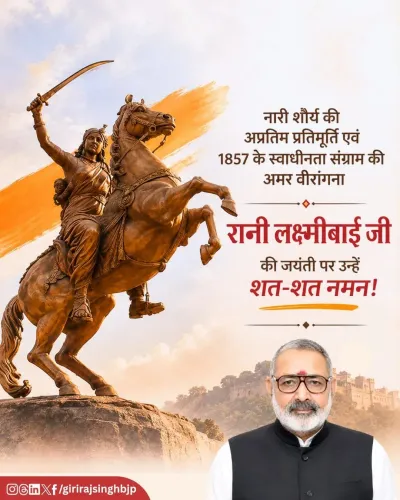
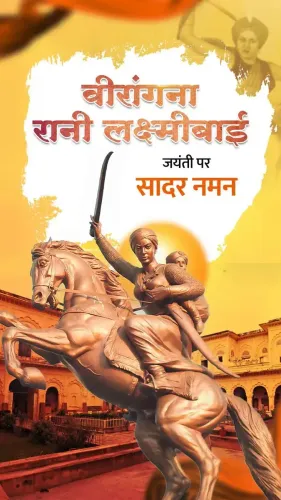
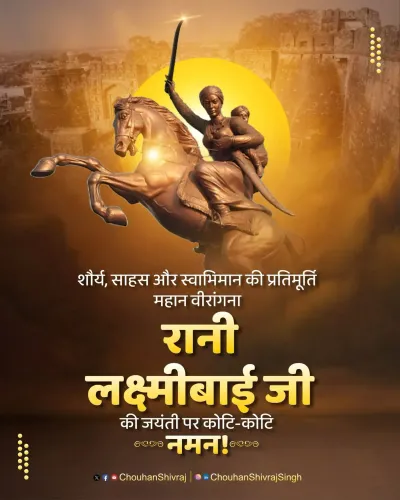
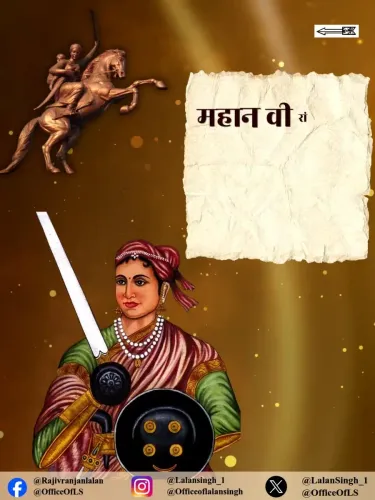
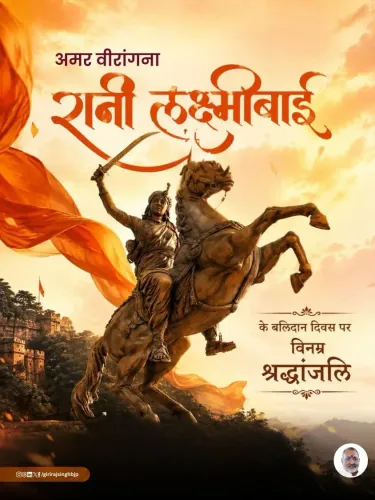
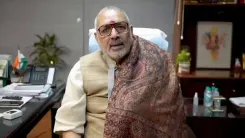
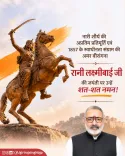
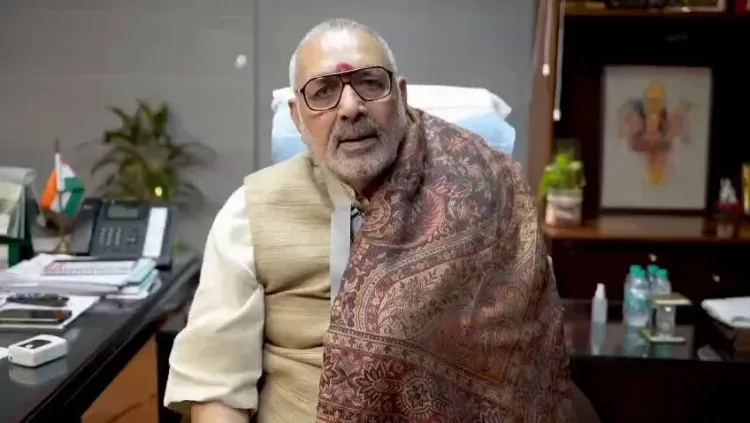
Union Textiles Minister Giriraj Singh on 19 November honoured Rani Lakshmibai of Jhansi on her birth anniversary, calling her an immortal symbol of valour and sacrifice in Indian history and offering crores of salutations to the 1857 Rebellion icon.
Key Takeaways
Union Textiles Minister Giriraj Singh posted a Hindi tribute to Rani Lakshmibai on 19 November 2026 , her birth anniversary.
Singh hailed Lakshmibai's 'indomitable courage, self-respect, and vow to sacrifice everything for the motherland.' Rani Lakshmibai of Jhansi led armed resistance against East India Company forces during the 1857 Indian Rebellion .
The 1857 uprising is widely regarded as a foundational event in India's independence narrative.
Annual tributes to 1857-era leaders by Indian political figures form a consistent pattern of national commemoration across party lines.
India's soil has long been consecrated by the courage of its warrior queens — and on 19 November, Union Textiles Minister Giriraj Singh added his tribute to one of the most enduring among them, paying homage to Rani Lakshmibai of Jhansi on her birth anniversary.
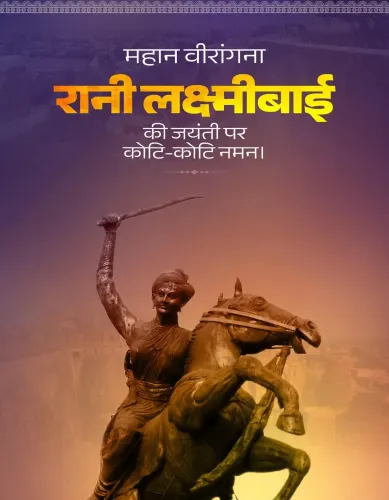
Posting in Hindi on X, the minister wrote: 'Bharat ki dharti veeranganaon ke adamya sahas aur balidaan ki gaathaon se gaurvannvit rahi hai' — 'India's land has been glorified by the tales of indomitable courage and sacrifice of its warrior women.' He invoked Rani Lakshmibai's valour, her self-respect, and her vow to give everything for the motherland, calling her an immortal figure in Indian history and offering 'crores of salutations' on her birth anniversary.
The queen who refused to yield
Rani Lakshmibai of Jhansi became one of the defining figures of the 1857 Indian Rebellion, leading armed resistance against East India Company forces at a moment when organised opposition to British rule was at its most intense. Her decision to ride into battle — reportedly with her infant son strapped to her back — and her death on the battlefield cemented her status not merely as a regional hero but as a national symbol of defiance and self-determination.
The 1857 uprising, involving rulers, soldiers, and civilians across the subcontinent, is widely regarded as a foundational chapter in India's long march to independence. Lakshmibai's role within it has only grown in cultural weight over the decades, her story taught in schools, depicted in films, and invoked by leaders across the political spectrum.
A tradition of annual remembrance
Singh's tribute follows a well-established pattern in Indian public life: senior political figures marking the birth anniversaries of 1857-era leaders through official and party channels. These commemorations serve as a reaffirmation of a shared national memory — connecting present-day governance to the sacrifices that, in the popular imagination, made independent India possible.
Such tributes appear annually and consistently, independent of the minister's portfolio, reflecting a broader cultural compact in which remembering resistance figures is considered a civic and patriotic duty that transcends political lines.
Rani Lakshmibai's legacy endures precisely because her story is both specific and universal — a woman who chose the battlefield over capitulation, in a moment when history gave her no easy choices. The salutations continue, year after year, because the story still commands them.
Point of View
Reinforcing a historical narrative in which armed resistance to colonial rule is cast as the moral bedrock of modern India. The choice to invoke Rani Lakshmibai specifically — a woman warrior — also carries a subtle symbolic layering, associating the party with women's courage and sacrifice. These commemorations, while ceremonial in form, function as consistent ideological signals about whose history the ruling establishment chooses to centre. Expect similar tributes on the anniversaries of other 1857 figures in the months ahead.
NationPress
19 Nov 2026
Frequently Asked Questions
When is Rani Lakshmibai's birth anniversary?
Rani Lakshmibai's birth anniversary is traditionally observed on 19 November , and Indian political leaders across parties regularly mark the occasion with public tributes.
What did Giriraj Singh say about Rani Lakshmibai?
Giriraj Singh called Rani Lakshmibai an immortal figure in Indian history, praising her valour, self-respect, and her resolve to sacrifice everything for the motherland, and offered her 'crores of salutations' on her birth anniversary.
What was Rani Lakshmibai's role in the 1857 Rebellion?
Rani Lakshmibai of Jhansi led armed resistance against East India Company forces during the 1857 Indian Rebellion , and her death in battle made her one of the most celebrated symbols of anti-colonial resistance in Indian history.
Why is Rani Lakshmibai considered a national hero?
Rani Lakshmibai is regarded as a national hero because she chose to fight British colonial forces in 1857 rather than surrender, embodying defiance, military courage, and sacrifice — qualities that have made her an enduring icon in India's independence narrative.
Who is Giriraj Singh?
Giriraj Singh is a senior BJP leader, Union Minister of Textiles , and Lok Sabha MP from Begusarai, Bihar , known for regularly posting tributes to historical Indian figures on significant anniversaries.