Amit Shah Chairs 31st Southern Zonal Council Meet
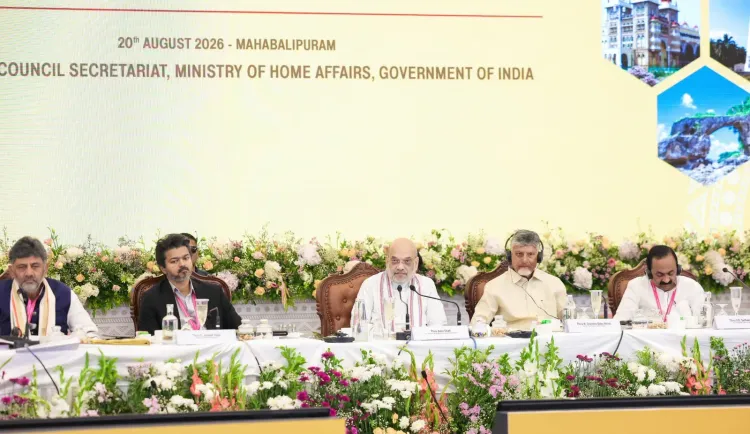
Synopsis
Union Home Minister Amit Shah chaired the 31st Southern Zonal Council meeting on 20 August 2026, where Andhra Pradesh and Telangana agreed to resolve post-bifurcation asset disputes. Shah also pushed states on Fast Track Special Courts for crimes against women and children, and called for tighter centre-state coordination on drug control.
Key Takeaways
Andhra Pradesh and Telangana agreed at the 31st Southern Zonal Council meeting to resolve asset and liability division issues as envisaged by the MHA .
The asset-division dispute stems from the Andhra Pradesh Reorganisation Act, 2014 , which created the two successor states.
Union Home Minister Amit Shah called for speedy investigation into crimes against women and children through Fast Track Special Courts .
Shah emphasised seamless centre-state coordination to advance the Nasha Mukt Bharat Abhiyan and build a drug-free India.
The Southern Zonal Council is a statutory inter-state coordination body covering Andhra Pradesh, Telangana, Tamil Nadu, Karnataka, Kerala , and Puducherry .
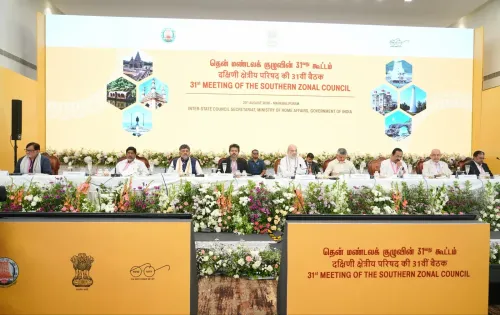
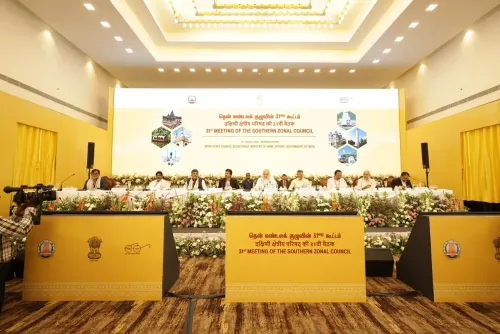
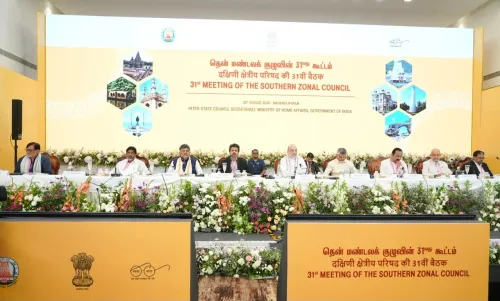
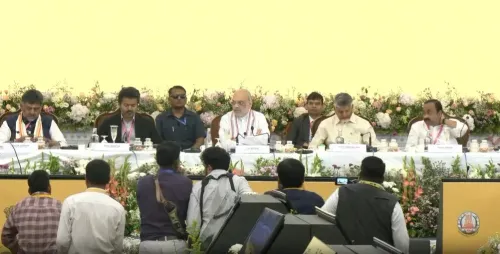
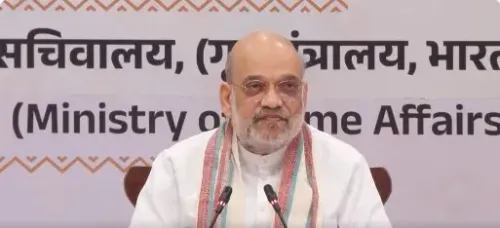
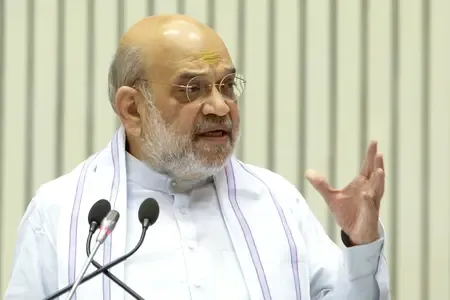
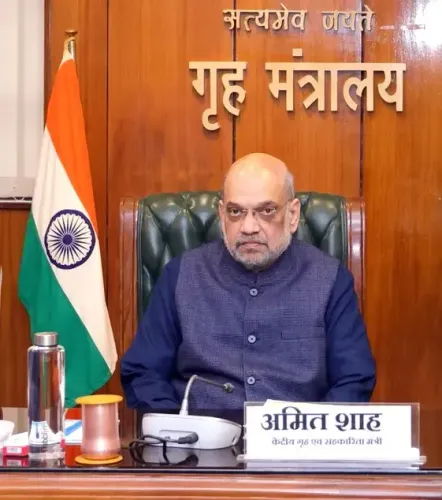
Twelve years after the controversial bifurcation of unified Andhra Pradesh, the two successor states finally signalled a concrete step forward — Andhra Pradesh and Telangana agreed at the 31st Meeting of the Southern Zonal Council on Thursday, 20 August 2026, to resolve their long-pending disputes over the division of assets and liabilities, as envisaged by the Ministry of Home Affairs. Union Home Minister Amit Shah, who chaired the meeting, also pressed states on two other fronts: faster justice for women and children, and a tighter, coordinated war on drugs.
The AP-Telangana asset divide — finally moving
The Andhra Pradesh Reorganisation Act, 2014 mandated the division of institutions, employees, finances, and infrastructure between the two new states — but implementation has dragged across successive governments and multiple dispute forums. The Southern Zonal Council, a statutory body established under the States Reorganisation Act, 1956, exists precisely for moments like this: a structured, central-convened space where inter-state friction can be brought to the table rather than the courtroom. The agreement reached today does not close the chapter, but it marks a political commitment to resolve issues through the MHA-envisaged framework — a meaningful shift in tone.
Fast Track Special Courts and the backlog of justice
Amit Shah used the platform to push southern states on the performance of Fast Track Special Courts — the dedicated judicial mechanism set up following the Criminal Law (Amendment) Act, 2018 to expedite trials in rape and POCSO cases. The emphasis on 'speedy investigation' signals that the Centre views court speed as only one half of the equation — police investigation timelines are equally in the crosshairs. For states like Andhra Pradesh, Telangana, Tamil Nadu, Karnataka, Kerala, and Puducherry — all within the Southern Zonal Council's ambit — the message is clear: pendency in crimes against the most vulnerable is no longer a statistic to be managed quietly.
Drug-free India: Centre demands seamless state coordination
The third pillar of Shah's agenda at the meeting was narcotics. He called for 'seamless coordination' between states and the Centre under the broader framework of the Nasha Mukt Bharat Abhiyan, the national anti-drug programme launched in 2020. Southern states have increasingly become transit and consumption zones for narcotics networks — making centre-state intelligence-sharing and enforcement alignment critical. The Home Minister's explicit push at a zonal council meeting elevates drug control from a law-and-order line item to a cooperative governance priority.
The Southern Zonal Council meeting has set three live threads in motion — an asset-division framework between AP and Telangana, a performance reckoning for fast-track courts, and a narcotics coordination push. How quickly each translates from agreement to action will be the real measure of the day's outcomes.
Frequently Asked Questions
What is the Southern Zonal Council and which states are members?
The Southern Zonal Council is a statutory inter-state coordination body set up under the States Reorganisation Act, 1956. Its members are Andhra Pradesh, Telangana, Tamil Nadu, Karnataka, Kerala, and Puducherry, with the Union Home Minister as its chairman.
What is the AP-Telangana asset division dispute about?
The Andhra Pradesh Reorganisation Act, 2014, which bifurcated unified Andhra Pradesh into two states, mandated the division of government assets, liabilities, employees, and institutions between Andhra Pradesh and Telangana. Disputes over the implementation of this division have persisted since 2014.
What are Fast Track Special Courts in India?
Fast Track Special Courts are dedicated courts established following the Criminal Law (Amendment) Act, 2018, to expedite trials in cases of rape and offences against children under the POCSO Act, reducing the backlog of such sensitive criminal cases.
What is the Nasha Mukt Bharat Abhiyan?
Nasha Mukt Bharat Abhiyan is a central government scheme launched in 2020 aimed at reducing drug abuse across India through coordinated action involving state governments, central agencies, and community outreach.
What did Amit Shah say at the 31st Southern Zonal Council meeting?
Amit Shah emphasised that Andhra Pradesh and Telangana should resolve their post-bifurcation asset and liability disputes through the MHA framework, called for faster investigations in crimes against women and children via Fast Track Special Courts, and urged seamless centre-state coordination for a drug-free India.