Amit Shah chairs 31st Southern Zonal Council meet in Tamil Nadu
Synopsis
Home Minister Amit Shah convened the 31st Southern Zonal Council in Kovalam with CMs from Tamil Nadu, Andhra Pradesh, Karnataka, Kerala and Telangana — putting the Cauvery dispute, Mekedatu dam, Mullaperiyar concerns, and the politically charged delimitation question all on the same table at once. The meeting is a rare moment where the Centre and five southern states must confront, face-to-face, disputes that courts and committees have failed to settle for decades.
Key Takeaways
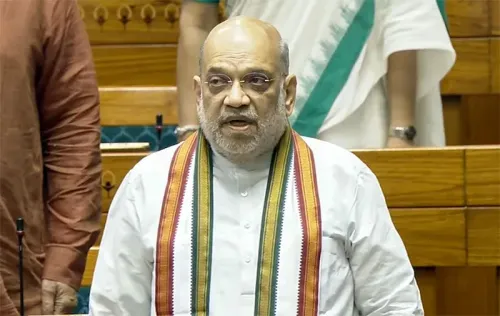
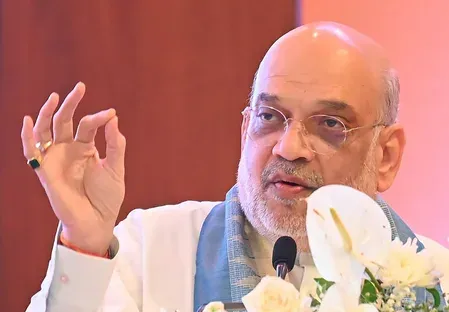
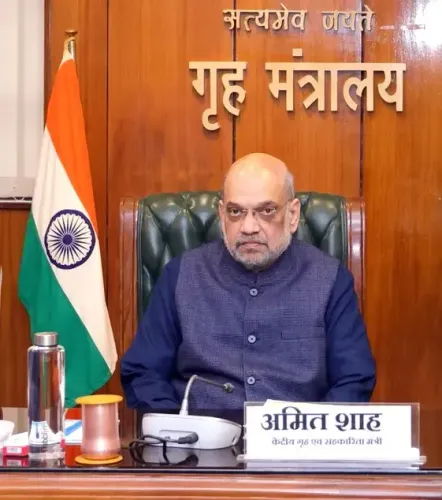
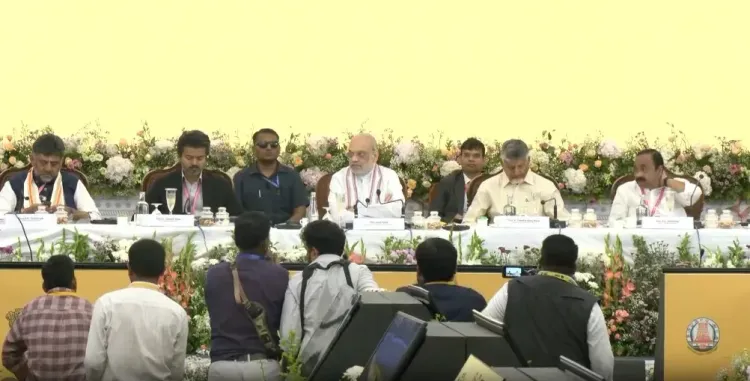
Home Minister Amit Shah chaired the 31st Southern Zonal Council meeting on 20 August at Kovalam , near Mamallapuram, Tamil Nadu.
Chief ministers of Tamil Nadu , Andhra Pradesh , Karnataka , and Kerala , along with Telangana's Deputy CM, attended.
Key disputes on the agenda: Cauvery and Krishna water-sharing, the Mekedatu dam , and the Mullaperiyar dam .
Tamil Nadu was expected to raise the shooting of three Tamil men near the Karnataka border.
Delimitation and its implications for southern states were also slated for discussion.
A proposal for special fast-track courts for sexual offence cases involving women and children was on the broader agenda.
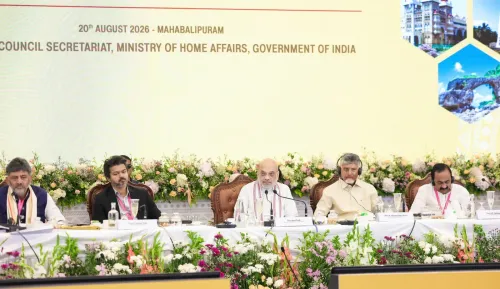
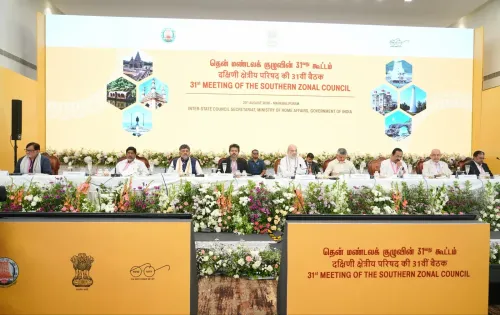
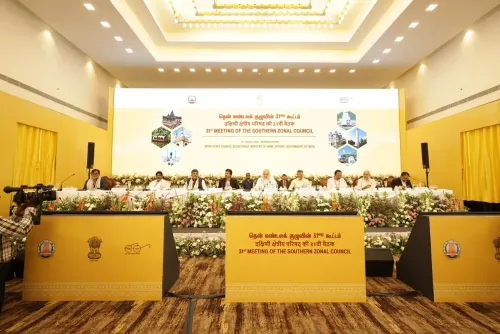
Union Home Minister Amit Shah on Thursday, 20 August chaired the 31st Southern Zonal Council meeting at a star hotel in Kovalam, near Mamallapuram in Tamil Nadu, bringing together chief ministers and senior officials from five southern states to deliberate on long-standing inter-state disputes, internal security, and shared development priorities.
Key Attendees
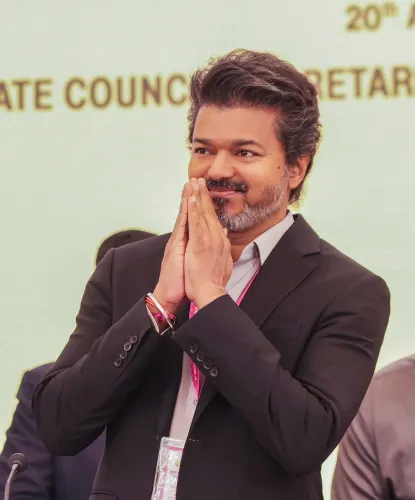
Tamil Nadu Chief Minister C. Joseph Vijay, serving as the council's vice-chairman, personally received Home Minister Shah on arrival, and the two held a brief interaction before proceedings commenced. CM Vijay was seated alongside Karnataka Chief Minister D.K. Shivakumar during the session.
Andhra Pradesh Chief Minister N. Chandrababu Naidu, Kerala Chief Minister V.D. Satheesan, and Telangana Deputy Chief Minister Mallu Bhatti Vikramarka were also present. Puducherry Chief Minister N. Rangasamy did not attend; Lieutenant Governor K. Kailashnathan represented the Union Territory instead. The Lieutenant Governor of the Andaman and Nicobar Islands, officials from Lakshadweep, and senior administrative officers from all participating states and Union Territories rounded out the gathering.
Disputes on the Agenda
Long-pending river-water and boundary disputes were expected to dominate the deliberations. These reportedly included the Cauvery and Krishna water-sharing disputes, Karnataka's proposed Mekedatu dam, and concerns over the Mullaperiyar dam. Tamil Nadu was also likely to raise the recent shooting of three Tamil men near the Karnataka border and press for improved cross-border law enforcement coordination between the two states.
Delimitation and its potential implications for southern states — a politically sensitive issue given the region's demographic trends — was also expected to feature in the discussions.
Broader Agenda
Beyond the headline disputes, the council's agenda covered strengthening inter-state cooperation, internal security, economic growth, industrial investment, education, and healthcare. Participants were also expected to examine a proposal to establish special fast-track courts for the expeditious disposal of cases involving sexual offences against women and children.
The meeting and its accompanying standing committee session were scheduled to run until 1.30 pm. Officials indicated that discussions would focus on practical follow-up mechanisms, including regular inter-departmental exchanges and faster implementation of jointly accepted decisions.
Why the Zonal Council Matters
The Southern Zonal Council was established to foster structured dialogue between the Centre and state governments and to resolve regional disputes through consultation rather than litigation. The Kovalam session, officials said, was intended to reinforce administrative coordination and advance cooperative federalism — giving participating governments a formal platform to place state-specific concerns before the Union government and seek coordinated resolution of disputes that have remained unresolved for years. This is the 31st such meeting of the southern body, underscoring the enduring nature of several of the disputes on the table.
Point of View
Mekedatu, Mullaperiyar — have outlasted multiple council cycles without resolution, raising a legitimate question about whether these meetings produce decisions or merely defer them. The addition of delimitation to the agenda is notable: it is a Centre-driven process, and its appearance in a forum designed for inter-state dialogue signals that southern states are seeking a collective voice against what they see as a structural disadvantage. Shah's personal presence raises the political stakes, but the real test is whether the follow-up mechanism officials promised will be any more binding than those agreed at previous sessions.
NationPress
4 Oct 2026
Frequently Asked Questions
What is the Southern Zonal Council and why does it meet?
The Southern Zonal Council is a statutory body created to promote dialogue between the Centre and southern state governments and to resolve regional disputes through consultation. It brings together the Union Home Minister and chief ministers of Tamil Nadu, Andhra Pradesh, Karnataka, Kerala, and Telangana, along with Union Territory representatives.
What were the main issues discussed at the 31st Southern Zonal Council meeting?
The meeting was expected to cover the Cauvery and Krishna river-water disputes, Karnataka's proposed Mekedatu dam, concerns over the Mullaperiyar dam, the shooting of three Tamil men near the Karnataka border, delimitation implications for southern states, and a proposal for fast-track courts for sexual offence cases.
Who attended the 31st Southern Zonal Council meeting on 20 August?
Home Minister Amit Shah chaired the meeting. Tamil Nadu CM C. Joseph Vijay, Andhra Pradesh CM N. Chandrababu Naidu, Karnataka CM D.K. Shivakumar, Kerala CM V.D. Satheesan, and Telangana Deputy CM Mallu Bhatti Vikramarka attended. Puducherry was represented by its Lieutenant Governor K. Kailashnathan.
Why did Puducherry's Chief Minister not attend the meeting?
Puducherry Chief Minister N. Rangasamy did not attend the 31st Southern Zonal Council meeting. Lieutenant Governor K. Kailashnathan represented the Union Territory in his absence. No official reason was cited in available reports.
What is the Mekedatu dam dispute and why does it feature in zonal council talks?
The Mekedatu dam is a proposed project by Karnataka on the Cauvery river, which Tamil Nadu opposes, arguing it would allow Karnataka to regulate water flows to its detriment. The dispute has been a recurring flashpoint between the two states and is regularly raised in inter-state forums including the Southern Zonal Council.