CM Chandrababu at 31st Southern Zonal Council Meet in Mahabalipuram
Synopsis
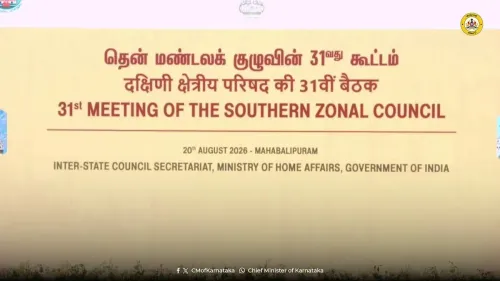
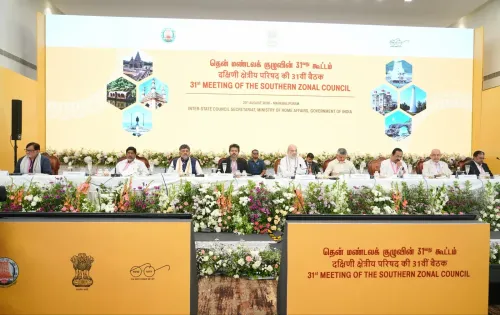
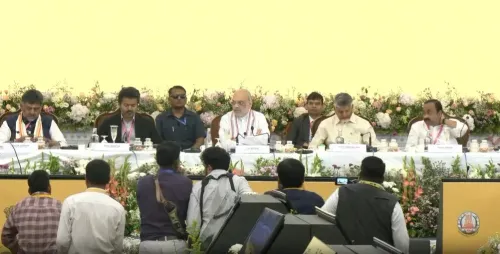
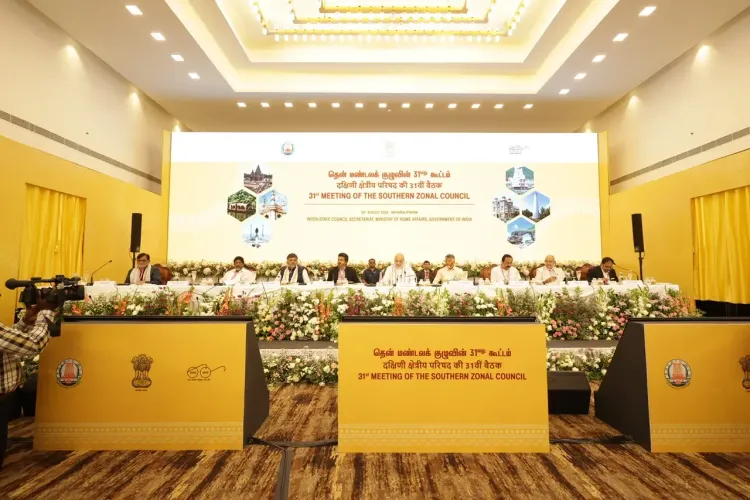
Chief Minister N. Chandrababu Naidu joined Union Home Minister Amit Shah and southern state counterparts at the 31st Southern Zonal Council meeting in Mahabalipuram, Tamil Nadu on 20 August 2026, to deliberate on key regional issues, allocations, and inter-state coordination.
Key Takeaways
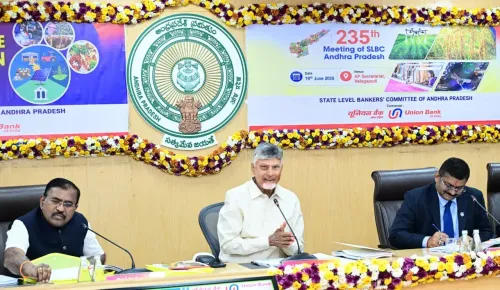
Chandrababu Naidu attended the 31st Southern Zonal Council meeting in Mahabalipuram, Tamil Nadu on 20 August 2026 .
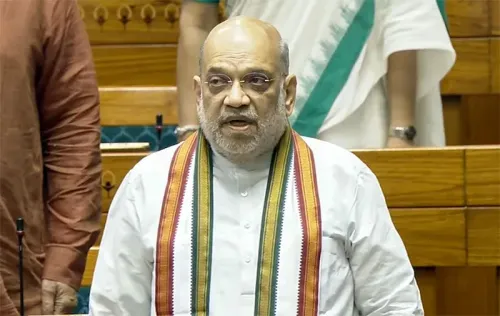
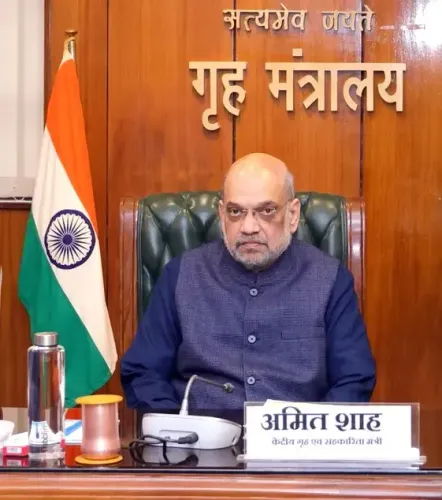
The session was chaired by Union Home Minister Amit Shah .
Chief ministers and representatives of Karnataka, Kerala, Tamil Nadu, Telangana , and Puducherry also participated.
The agenda covered key issues, fund allocations, and other matters concerning southern states.
The Southern Zonal Council is a statutory body set up under the States Reorganisation Act, 1956 for inter-state cooperation.
Any joint resolutions from the meeting may be forwarded to the central government or state assemblies.
Six southern chief ministers in one room, with the Union Home Minister at the head of the table — that is the weight of the 31st Southern Zonal Council meeting convened in Mahabalipuram, Tamil Nadu on 20 August 2026. The Chief Minister's Office of Andhra Pradesh confirmed that Chief Minister N. Chandrababu Naidu is attending the session chaired by Union Home Minister Amit Shah.
Who is at the table — and why it matters
Alongside Chandrababu Naidu, the meeting has drawn the chief ministers and representatives of Karnataka, Kerala, Tamil Nadu, Telangana, and the union territory of Puducherry. That is nearly the entire political map of peninsular India assembled under one roof. The agenda, per the CMO post, covers 'several key issues, allocations, and other matters concerning southern states' — a broad mandate that historically includes resource sharing, infrastructure coordination, and internal security concerns.
What the Southern Zonal Council actually does
The Southern Zonal Council is not a ceremonial gathering. Constituted under the States Reorganisation Act, 1956, and formally set up in 1957, it is a statutory body designed to give states a structured channel for inter-governmental coordination without the friction of legislative process. The Union Home Minister chairs every session, making it one of the few forums where state-level leaders and the Centre negotiate face-to-face on zone-specific concerns. Recommendations from the council can be forwarded to the central government or respective state assemblies — giving the meeting real downstream consequence.
Mahabalipuram as a diplomatic backdrop
The choice of Mahabalipuram — the UNESCO-listed coastal heritage town in Tamil Nadu — is not incidental. The venue has form as a setting for high-stakes multi-lateral engagement. For today's council session, it provides a neutral, symbolically resonant ground for southern states that span a wide spectrum of political affiliations: from Telugu Desam Party in Andhra Pradesh to the DMK in Tamil Nadu and the Congress-JD(S) coalition in Karnataka.
The structured format of zonal councils has remained consistent across successive governments precisely because it depoliticises coordination — states can raise shared grievances on funds and administration without it becoming a parliamentary flashpoint. Whether today's session produces joint resolutions or concrete allocation commitments will determine how much this meeting echoes beyond the room.
Point of View
Who leads a state navigating post-bifurcation resource pressures and infrastructure gaps, the direct access to the Home Minister and peer chief ministers is strategically valuable. The meeting's outcome on allocations will be a quiet but significant test of how much institutional weight these councils carry under the current political dispensation. States that present coordinated positions here often find stronger traction in subsequent central budget negotiations.
NationPress
4 Oct 2026
Frequently Asked Questions
What is the Southern Zonal Council and who chairs it?
The Southern Zonal Council is a statutory inter-state body constituted under the States Reorganisation Act, 1956. It is chaired by the Union Home Minister and includes the southern states of Andhra Pradesh, Karnataka, Kerala, Tamil Nadu, Telangana, and the union territory of Puducherry.
Where was the 31st Southern Zonal Council meeting held?
The 31st Southern Zonal Council meeting was held in Mahabalipuram, Tamil Nadu.
Which chief ministers attended the 31st Southern Zonal Council meeting?
Chief Minister N. Chandrababu Naidu of Andhra Pradesh attended, along with the chief ministers and representatives of Karnataka, Kerala, Tamil Nadu, Telangana, and Puducherry.
What issues are discussed at Southern Zonal Council meetings?
Southern Zonal Council meetings cover inter-state coordination on resource sharing, fund allocations, infrastructure, and internal security matters. Recommendations can be forwarded to the central government or respective state assemblies.
Why is Amit Shah chairing the Southern Zonal Council meeting?
The Union Home Minister is the statutory chair of all zonal council meetings under the States Reorganisation Act, 1956. Amit Shah, as Union Home Minister, presided over the 31st Southern Zonal Council session in Mahabalipuram.