North Korea fires dozen ballistic missiles despite Trump's Kim overture
Synopsis
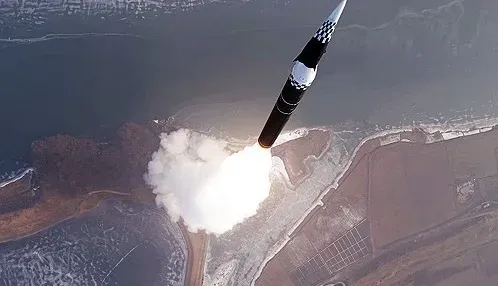
North Korea launched roughly a dozen short-range ballistic missiles on 20 August — even as Trump publicly offered to meet Kim Jong-un and ordered US-South Korea drills cut by half. Kim Yo-jong dismissed the gesture as 'unworthy of comment' the day before. It is Pyongyang's third provocation in two weeks, and a sharp signal that diplomatic goodwill alone will not change its calculus.
Key Takeaways
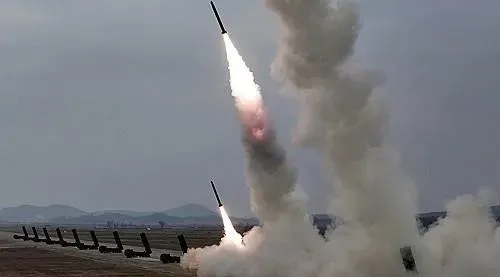
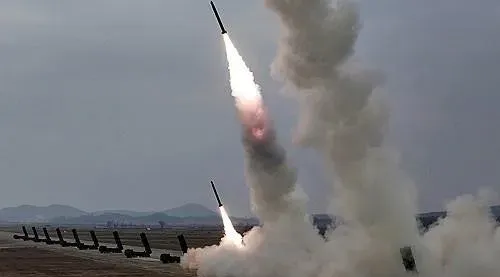
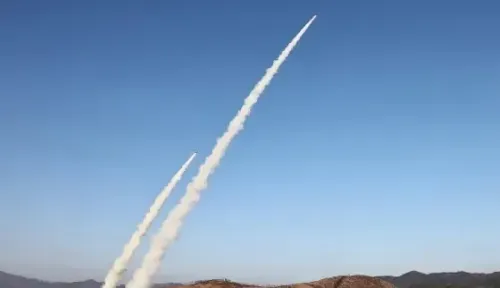
North Korea fired roughly a dozen short-range ballistic missiles toward the East Sea on 20 August at around 5 pm local time .
The launches came despite US President Donald Trump 's public overture to Kim Jong-un and a decision to cut the Ulchi Freedom Shield exercise by half.
Kim Yo-jong , sister of the North Korean leader, called the drill reduction 'unworthy of comment' in a statement on Wednesday .
Trump claimed at a White House briefing that North Korea possesses ' 57 very powerful' nuclear weapons — a figure he cited for the first time.
It is Pyongyang 's third ballistic missile provocation in roughly two weeks, following launches on 6 August and 12 August .
South Korea 's national security office convened an emergency meeting and urged Pyongyang to halt violations of UN Security Council resolutions.
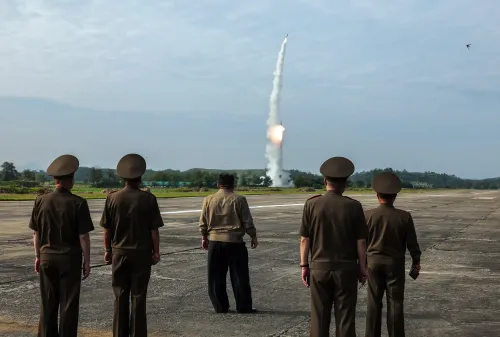
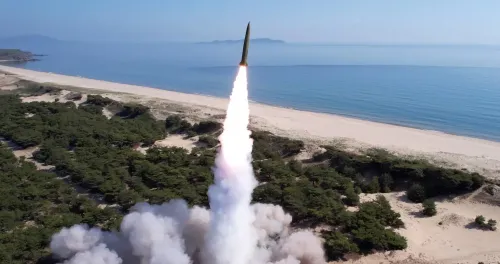
North Korea launched roughly a dozen short-range ballistic missiles toward the East Sea on Thursday, 20 August, in a pointed rebuff to recent diplomatic signals from US President Donald Trump, who had expressed willingness to reengage with North Korean leader Kim Jong-un. The launches, detected at around 5 pm local time, mark the third such provocation from Pyongyang this month.
What the South Korean Military Confirmed
The Joint Chiefs of Staff (JCS) of South Korea said it detected the missiles launched from the Pyongyang area and that further analysis is under way in cooperation with the United States. The military said it has stepped up surveillance and vigilance for possible additional launches while closely coordinating with both the US and Japan.
'Under a staunch South Korea-US combined defence posture, our military is closely monitoring various North Korean activities as we maintain the capability and readiness to overwhelmingly respond to any provocation,' the JCS said in a statement.
Trump's Overture and the Ulchi Freedom Shield Cutback
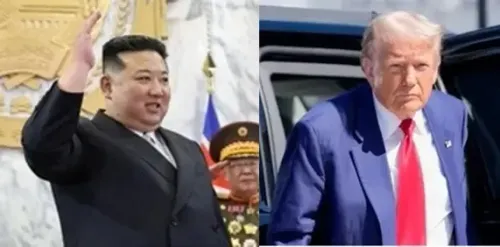
The launches came days after President Trump floated a public overture to Kim Jong-un on social media, stating he had instructed the Pentagon to scale down joint military drills with South Korea, which he described as sending an 'inappropriate and hostile' message to Pyongyang. Seoul and Washington subsequently announced on Wednesday that the ongoing Ulchi Freedom Shield (UFS) exercise would be cut short by half, ending this Friday.
Trump also told reporters at a White House press availability on Wednesday that he expects to meet Kim later this year. Notably, he cited a specific figure — claiming North Korea possesses '57 very powerful' nuclear weapons — a number he has not publicly referenced before in relation to the North's arsenal.
Pyongyang's Cold Shoulder
Kim Yo-jong, the influential sister of Kim Jong-un and a senior figure in the North Korean leadership, dismissed the drill reduction in a statement late Wednesday, calling it 'unworthy of comment' and making clear that Pyongyang has no interest in the gesture. The missile barrage the following day underscored that position.
This pattern is not new. North Korea has historically responded to joint US-South Korea military exercises with weapons tests, framing the drills as rehearsals for invasion. Pyongyang has strongly denounced the UFS exercise on similar grounds in past years.
Diplomatic Context: A Stalled Nuclear Track
Trump met Kim Jong-un three times during his first term — in 2018 and 2019 — during a period of intensive nuclear diplomacy. However, talks collapsed after their 2019 Hanoi summit ended without a deal, and the diplomatic channel has remained largely dormant since. The latest missile launches suggest that despite Trump's renewed outreach, Pyongyang is not yet signalling reciprocal engagement.
South Korea's Response
Following the launches, the South Korean presidential national security office convened an emergency meeting attended by officials from the defence ministry and the JCS to assess the security implications. The office stressed the need to maintain a 'thorough readiness posture' and urged Pyongyang to halt provocations it said were in violation of UN Security Council resolutions.
The 20 August launches followed a short-range ballistic missile fired eastward on 12 August and another on 6 August — the third provocation in roughly two weeks, signalling a deliberate escalatory tempo as diplomatic signals cross.
Point of View
Drill reductions, and the promise of a meeting — worked as an opener in 2018. It is not working the same way in 2025. Pyongyang's response, a barrage of missiles within 24 hours of Kim Yo-jong's dismissal, is calibrated: it signals that North Korea reads the gesture as weakness rather than goodwill. The unverified '57 nuclear weapons' figure Trump cited is also worth scrutiny — no intelligence agency has publicly confirmed that number, and its origin matters. The deeper problem is structural: without a credible sanctions enforcement mechanism or a verifiable denuclearisation roadmap, personal diplomacy between Trump and Kim is unlikely to produce durable outcomes, as Hanoi demonstrated.
NationPress
20 Aug 2026
Frequently Asked Questions
How many missiles did North Korea fire on 20 August?
South Korea's Joint Chiefs of Staff detected roughly a dozen short-range ballistic missiles launched from the Pyongyang area at around 5 pm local time on 20 August. Further analysis was under way in cooperation with the United States.
Why did North Korea fire missiles despite Trump's diplomatic overture?
North Korea has not publicly explained the timing, but its pattern of responding to US-South Korea military exercises with weapons tests is well established. Kim Yo-jong dismissed Trump's offer to reduce drills as 'unworthy of comment' the day before the launches, suggesting Pyongyang does not view the gesture as a meaningful concession.
What is the Ulchi Freedom Shield exercise and why was it cut short?
The Ulchi Freedom Shield (UFS) is an annual joint military exercise between the United States and South Korea. President Trump ordered it scaled down, calling it 'inappropriate and hostile' toward Pyongyang. Seoul and Washington announced on Wednesday that the ongoing edition would end this Friday — roughly half its scheduled duration.
When did Trump last meet Kim Jong-un?
Trump met Kim Jong-un three times during his first term, in 2018 and 2019. Their final meeting in Hanoi in 2019 ended without a deal, after which nuclear diplomacy stalled. Trump has said he expects to meet Kim again later this year.
How many times has North Korea launched missiles in August 2025?
This is North Korea's third ballistic missile provocation in roughly two weeks. Previous launches occurred on 6 August and 12 August, with the 20 August barrage being the largest of the three.