MP CM Mohan Yadav thanks Ujjain residents for Simhastha-2028 prep
Synopsis
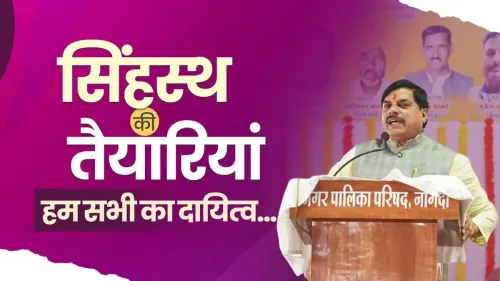
Chief Minister Dr. Mohan Yadav has thanked Ujjain citizens for cooperating with road-widening and civic development works being carried out in preparation for Simhastha-2028, the next Kumbh Mela in the city, expected to draw millions of pilgrims.
Key Takeaways
Mohan Yadav publicly thanked Ujjain residents on 20 August 2026 for their cooperation in ongoing development works.
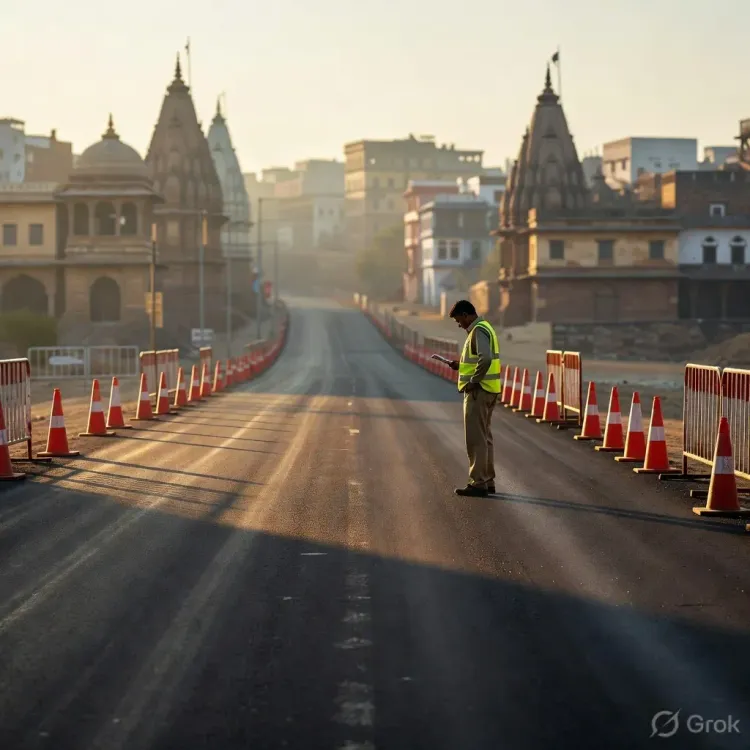
Road widening and other infrastructure upgrades are being carried out specifically to prepare for Simhastha-2028 , the next Kumbh Mela in Ujjain.
Ujjain is home to the Mahakaleshwar Jyotirlinga and hosts the Simhastha Kumbh Mela every twelve years, drawing millions of pilgrims.
The previous Simhastha 2016 edition triggered a similar wave of civic upgrades, establishing a precedent for early infrastructure mobilisation.
The central government's PRASAD scheme (launched 2014-15 ) identified Ujjain as a priority site for integrated pilgrimage infrastructure development.
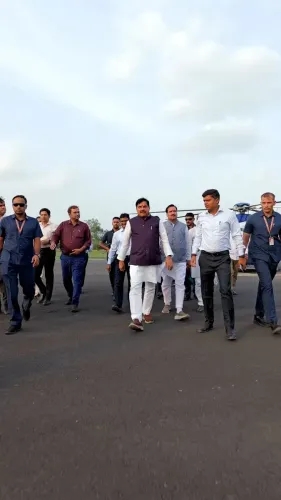
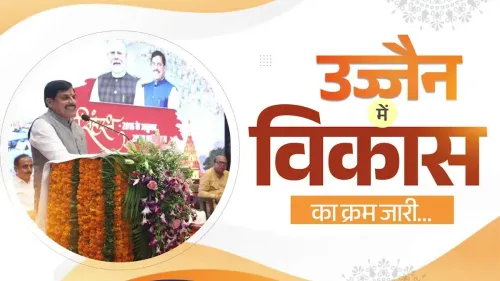
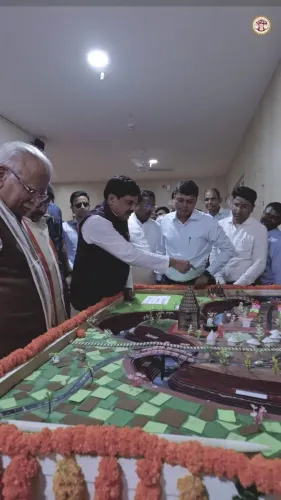
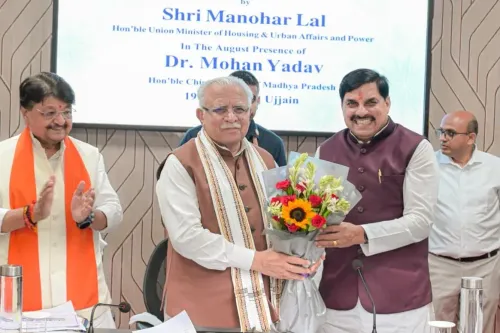
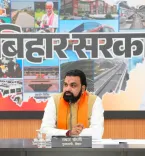
With Simhastha-2028 now less than two years away, Ujjain is already in the middle of a civic transformation — and Chief Minister Dr. Mohan Yadav wants the city's residents to know their patience is being noticed. On Thursday, 20 August 2026, the Chief Minister's Office of Madhya Pradesh posted a message of gratitude from CM Yadav, acknowledging the cooperation of Ujjain's citizens as road-widening and other development works reshape the city ahead of the next Kumbh Mela.
In the post, CM Yadav said: 'Ujjain pradesh ka pramukh paryatan kendra hai' ('Ujjain is the state's foremost tourism centre'). He added that various development works, including road widening, are being carried out with Simhastha-2028 in mind — to improve facilities for devotees and tourists — and that the cooperation of Ujjain's residents in enabling these works has been 'commendable.' He expressed his gratitude to all citizens.
Why Ujjain, and why now
Ujjain, home to the Mahakaleshwar Jyotirlinga — one of the twelve sacred Jyotirlingas in Hinduism — hosts the Simhastha Kumbh Mela every twelve years. The event draws millions of pilgrims in a compressed window, placing enormous stress on roads, ghats, sanitation, and transport networks. The 2028 edition is the next in that cycle, and the state has clearly begun its preparation runway well in advance.
This is not new territory for Madhya Pradesh. The Simhastha 2016 edition triggered a similar wave of road renovation, ghat upgrades, and civic works across the city. Indian state governments routinely front-load such infrastructure investment three to four years before a Kumbh Mela, precisely because the scale of crowd management required leaves no room for last-minute fixes.
The PRASAD scheme and Ujjain's longer development arc
The current push also sits within a broader national framework. The central government's PRASAD scheme (Pilgrimage Rejuvenation and Spiritual Augmentation Drive), launched in 2014-15, identified Ujjain as a priority site for integrated pilgrimage infrastructure development. That policy backing gives state-level projects a potential channel for central funding and coordination — something worth watching as tender announcements and budget allocations emerge in the coming months.
CM Yadav's public acknowledgement of citizen cooperation is also a signal. Road-widening in a dense pilgrimage city means land acquisition, temporary disruptions, and rerouting of daily life — the kind of friction that generates local grievance if not managed carefully. Framing residents as partners, rather than subjects of inconvenience, is deliberate stakeholder management ahead of what will be a years-long construction cycle.
When millions converge on Ujjain in 2028, the roads being built today will either hold — or they won't. The clock is running.
Point of View
And framing citizens as partners pre-empts local grievance during a multi-year construction cycle. The explicit link to Simhastha-2028 also serves a political purpose: it anchors near-term civic inconvenience to a high-prestige, high-visibility event, making the disruption legible and time-bound. For the BJP-led Madhya Pradesh government, Simhastha is both a governance test and a political showcase — the 2016 edition set the template, and 2028 will be judged against it. Watch for central government coordination and budget announcements as the real measure of how seriously this preparation is being taken.
NationPress
20 Aug 2026
Frequently Asked Questions
What is Simhastha-2028 in Ujjain?
Simhastha-2028 is the next Kumbh Mela to be held in Ujjain, Madhya Pradesh, expected in 2028. It is a major Hindu pilgrimage event held every twelve years in Ujjain, drawing millions of devotees to the banks of the Shipra river and the Mahakaleshwar Jyotirlinga temple.
Why is road widening happening in Ujjain right now?
The Madhya Pradesh government is carrying out road widening and other civic development works in Ujjain specifically to prepare for Simhastha-2028. The state is following a pattern established before the 2016 Simhastha, when similar infrastructure upgrades were undertaken three to four years in advance to handle the massive crowd surge during the Kumbh Mela.
What did CM Mohan Yadav say about Ujjain development?
CM Dr. Mohan Yadav, posting through the Chief Minister's Office of Madhya Pradesh on 20 August 2026, said that Ujjain is the state's foremost tourism centre, that various development works including road widening are underway keeping Simhastha-2028 in mind, and that the cooperation of Ujjain's residents in these works has been commendable. He expressed gratitude to all citizens.
What is the PRASAD scheme and does it cover Ujjain?
The PRASAD scheme (Pilgrimage Rejuvenation and Spiritual Augmentation Drive) is a central government initiative launched in 2014-15 for integrated development of pilgrimage infrastructure across India. Ujjain was identified as one of the priority sites under this scheme, providing a potential channel for central funding alongside state government investment.
When was the last Simhastha Kumbh Mela held in Ujjain?
The last Simhastha Kumbh Mela in Ujjain was held in 2016. That edition also triggered a major round of road renovation, ghat upgrades, and civic works by the Madhya Pradesh government, setting the precedent for the current preparations ahead of the 2028 edition.